Today, Auto Tune is treated as an aesthetic choice no more harmful than preferring vanilla or strawberry. But it is much more like sprinkles or anesthetic on your ice cream. Lyrics aside, some have said its use in the music industry has narcotized the aural revelations contained in the human voice. Others have said it has helped the music industry mutate into a talentless celebritocracy.
While there have been interesting uses of the plugin as an effect, the overall influence on the music industry has been detrimental, a kind of bastardization akin to redrawing Matisse’s famous sketches using a ruler, or feeding J.D. Salinger’s The Catcher in the Rye into ChatGPT to clean it up.
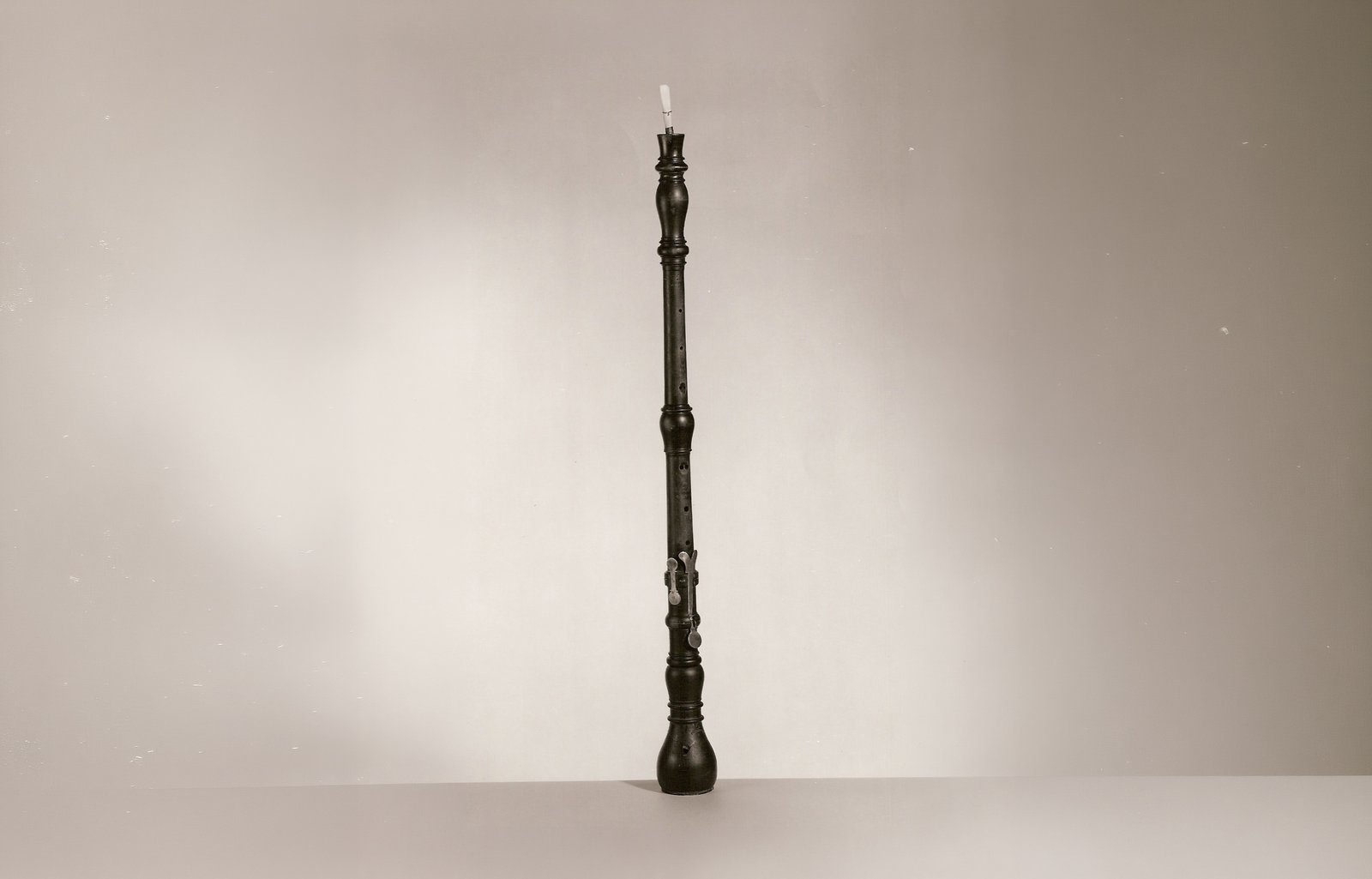
To understand how we’ve gotten to where we are, we must start with the oboe.
Although it did not directly determine A’s specific tone of 440Hz (that was standardized in 1939 during a wave of...
Today, Auto Tune is treated as an aesthetic choice no more harmful than preferring vanilla or strawberry. But it is much more like sprinkles or anesthetic on your ice cream. Lyrics aside, some have said its use in the music industry has narcotized the aural revelations contained in the human voice. Others have said it has helped the music industry mutate into a talentless celebritocracy.
While there have been interesting uses of the plugin as an effect, the overall influence on the music industry has been detrimental, a kind of bastardization akin to redrawing Matisse’s famous sketches using a ruler, or feeding J.D. Salinger’s The Catcher in the Rye into ChatGPT to clean it up.
To understand how we’ve gotten to where we are, we must start with the oboe.
Although it did not directly determine A’s specific tone of 440Hz (that was standardized in 1939 during a wave of modernism that placed efficiency above all else), the oboe strongly influenced how standardized pitch was disseminated in orchestras. The oboe traditionally supplied the orchestra’s tuning A because its penetrating, relatively stable pitch carried clearly through the ensemble (University of Houston, Engines of Our Ingenuity, “A=440”).
There have, of course, been brilliant exceptions. Cher famously turned Auto Tune into an audible effect on “Believe”; Radiohead used it in stranger, more experimental ways on “Pulk/Pull Revolving Doors” and “Packt Like Sardines in a Crushd Tin Box”; and Daft Punk made artificiality part of the language itself. But the mass adoption of Auto Tune as correction rather than experimentation has, in terms of the place of the human voice in music, its candor and verisimilitude, done more damage than good to the quality of popular music.
At the end of the day, there is too much removed by this chemical wonder drug for it to be more than a fad. Even if the technology improved enough to capture emotional phrasing and the subtle shifts in pitch that shape the human voice, I would still envision the future of the technology as a sort of sophisticated “lithograph” of the human voice, never worth the bounty of the original.
Dylan famously sang off. Joni Mitchell had an unstable pitch. Johnny Cash, Lou Reed and Leonard Cohen all had limited range, were even called bad singers, often drifting and straining. Billie Holiday bent pitch constantly, valuing emotional phrasing over precision. Would Johnny Cash sound good with auto tune?
One must ask oneself whether singing perfectly in key, without even a moment of faltering, is as important to a song as we have been forced to think.
To those who say that Auto Tune is “just an aesthetic choice”, I would remind you that aesthetic carries the full weight of morality. Immanuel Kant argued that beauty reflects moral judgment, and what kind of aesthetic treats as its ideal one in which human irregularity is removed?
To make up your mind, just listen to a song by Joni Mitchell. The searching-for-the-note part of the human voice is perhaps the most interesting part of all.
 Pina Lomb
 Bob Loblaw
 Richard Aubern
 Editors
 Art History