The Surprise, Prix Maison Ruinart 2026
9 -
Fresh Monday. Some morning. Some things have been happening.
Mild out right now in Manhattan. Today's high will be 58ºF. Today: two puffy clouds. Likely 62ºF and some passing clouds tomorrow.
Elegantly dressed party-goers will be clinking their glasses as the Booker Prize winner is announced in London tonight, honoring a novel published in the UK or Ireland.
1Philippe Jarrigeon Finds the Extraordinary in Nature, from Twisted Trees to Surreal Encounters
The following is a clipping from Designboom | Architecture & Design Magazine, dated November 9, 2026.
Philippe jarrigeon finds a surreal world in nature
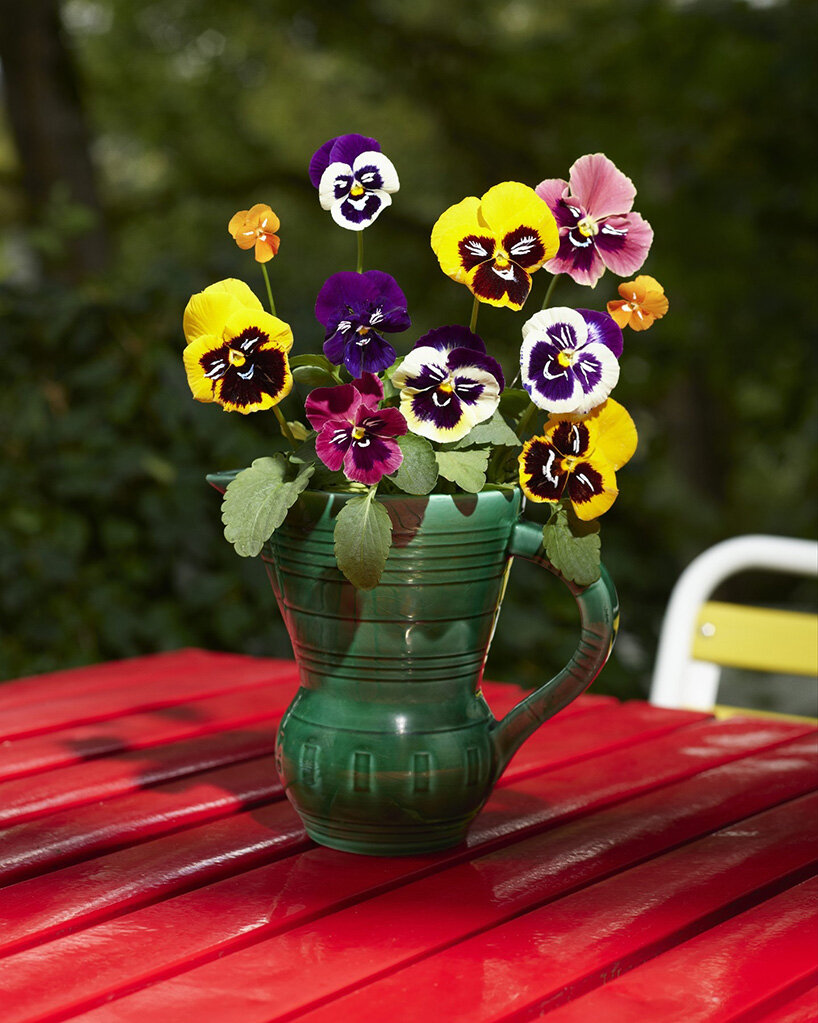
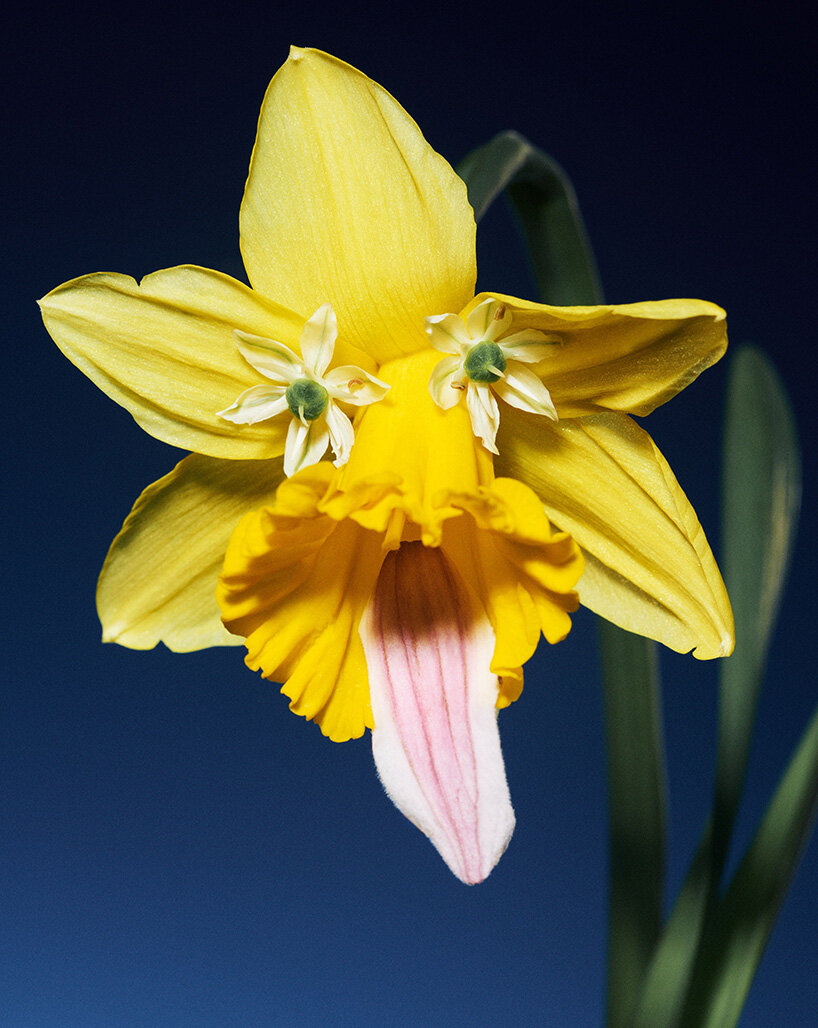
French photographer Philippe Jarrigeon looks to the contorted beech trees of Champagne for Le Vrai du Faux, his series presented at Paris Photo 2026, where he is also the recipient of the eighth Prix Maison Ruinart.
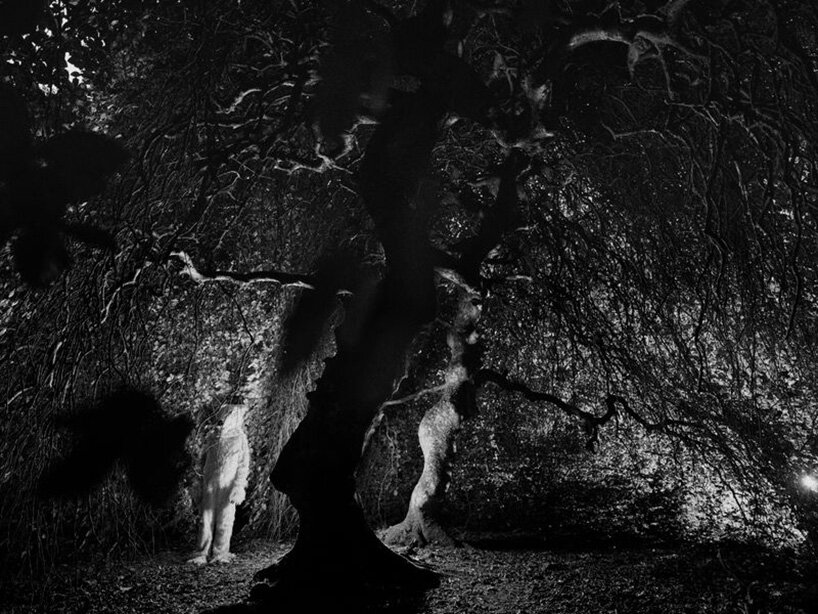
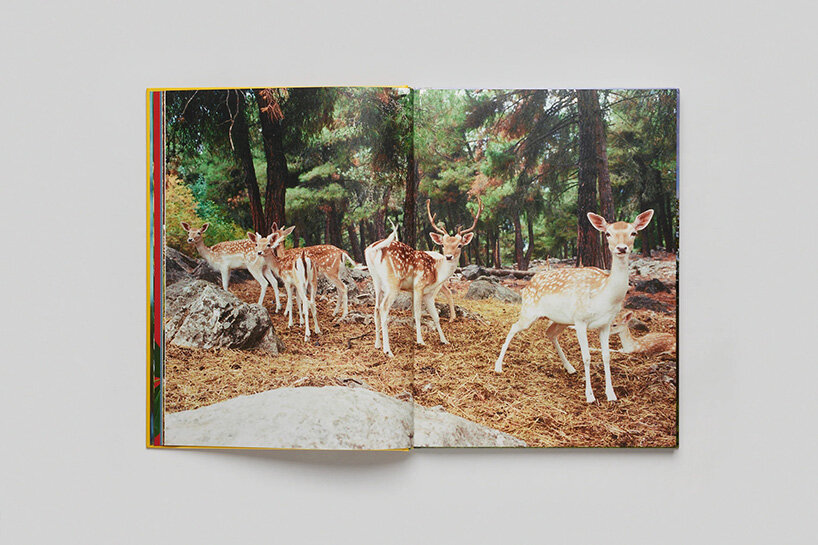
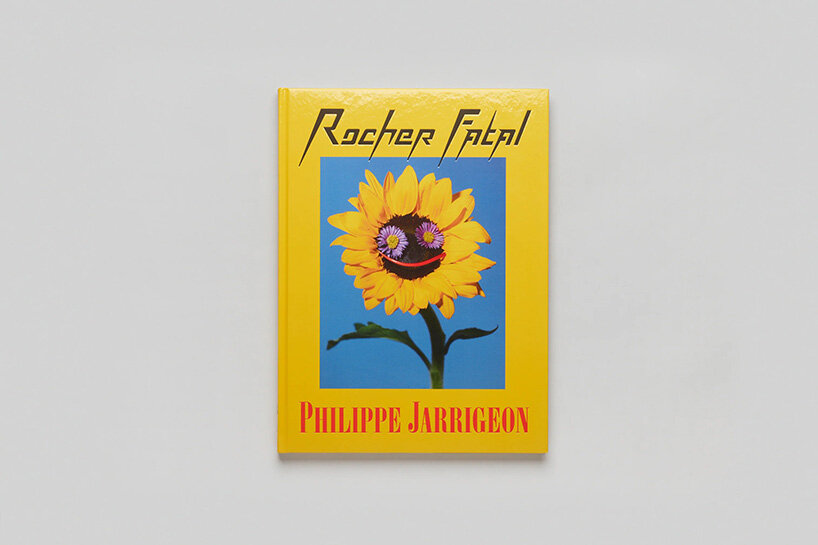
The project follows Rocher Fatal, his second book published by RVB Books, which brings together two years of photographs made in the Forest of Fontainebleau. Moving from the woodland landscapes of Fontainebleau to the Champagne region, Jarrigeon finds inspiration in unusual natural forms, including the contorted beech trees known as the Faux de Verzy. Their twisting branches seem almost impossible to have occurred naturally, making them fitting subjects for his playful approach to photography.
Jarrigeon takes this strangeness as a starting point, bringing the trees into conversation with shells, flowers, animals, and objects. His
Philippe jarrigeon finds a surreal world in nature
French photographer Philippe Jarrigeon looks to the contorted beech trees of Champagne for Le Vrai du Faux, his series presented at Paris Photo 2026, where he is also the recipient of the eighth Prix Maison Ruinart.
The project follows Rocher Fatal, his second book published by RVB Books, which brings together two years of photographs made in the Forest of Fontainebleau. Moving from the woodland landscapes of Fontainebleau to the Champagne region, Jarrigeon finds inspiration in unusual natural forms, including the contorted beech trees known as the Faux de Verzy. Their twisting branches seem almost impossible to have occurred naturally, making them fitting subjects for his playful approach to photography.
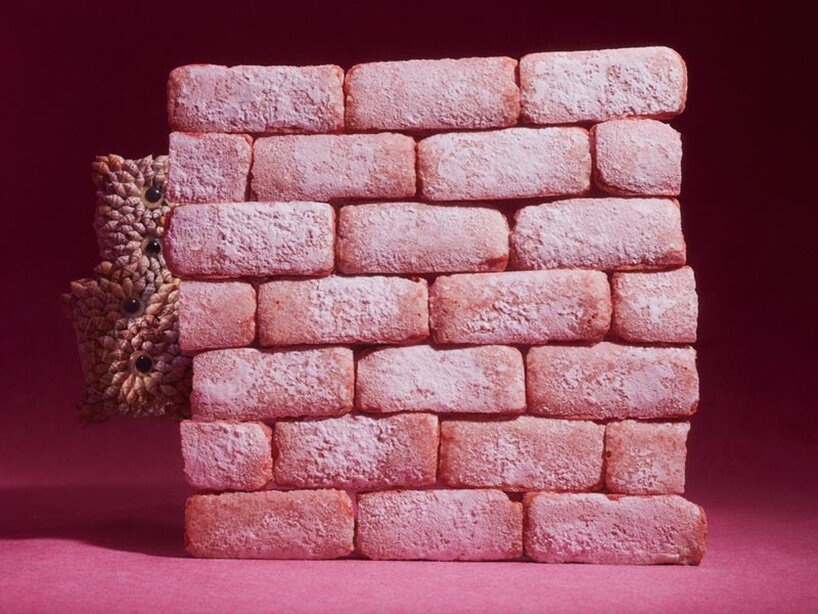
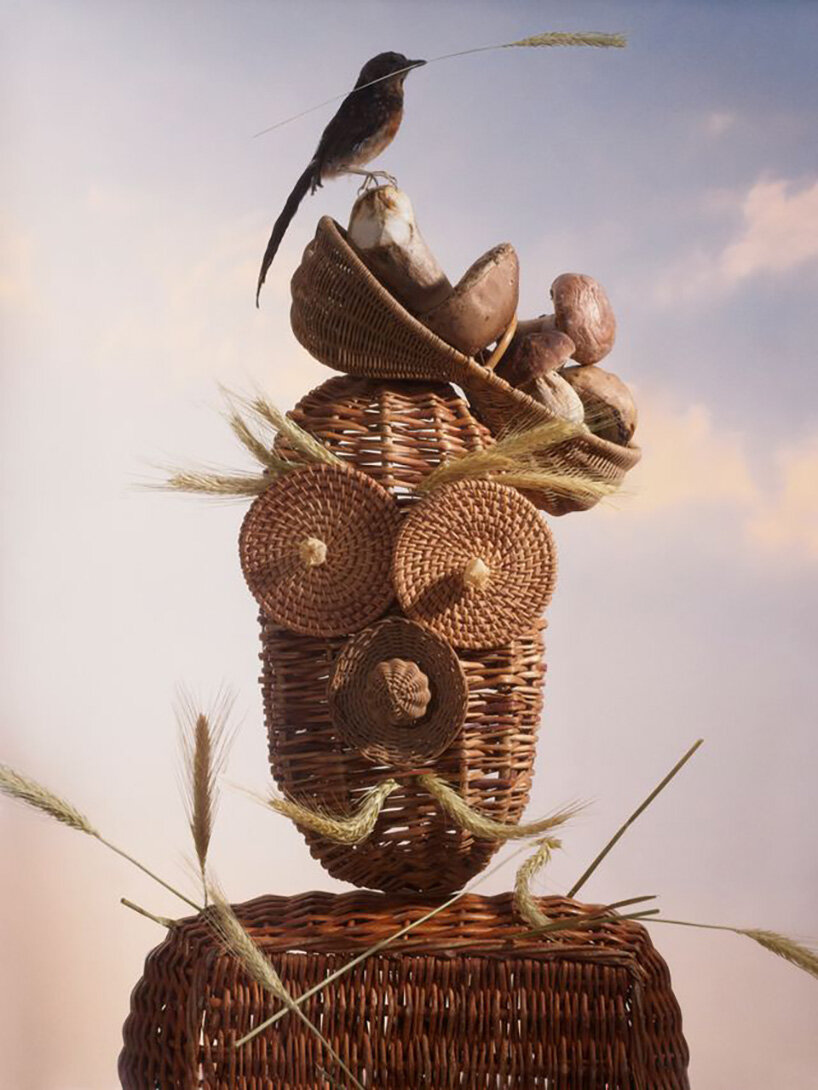
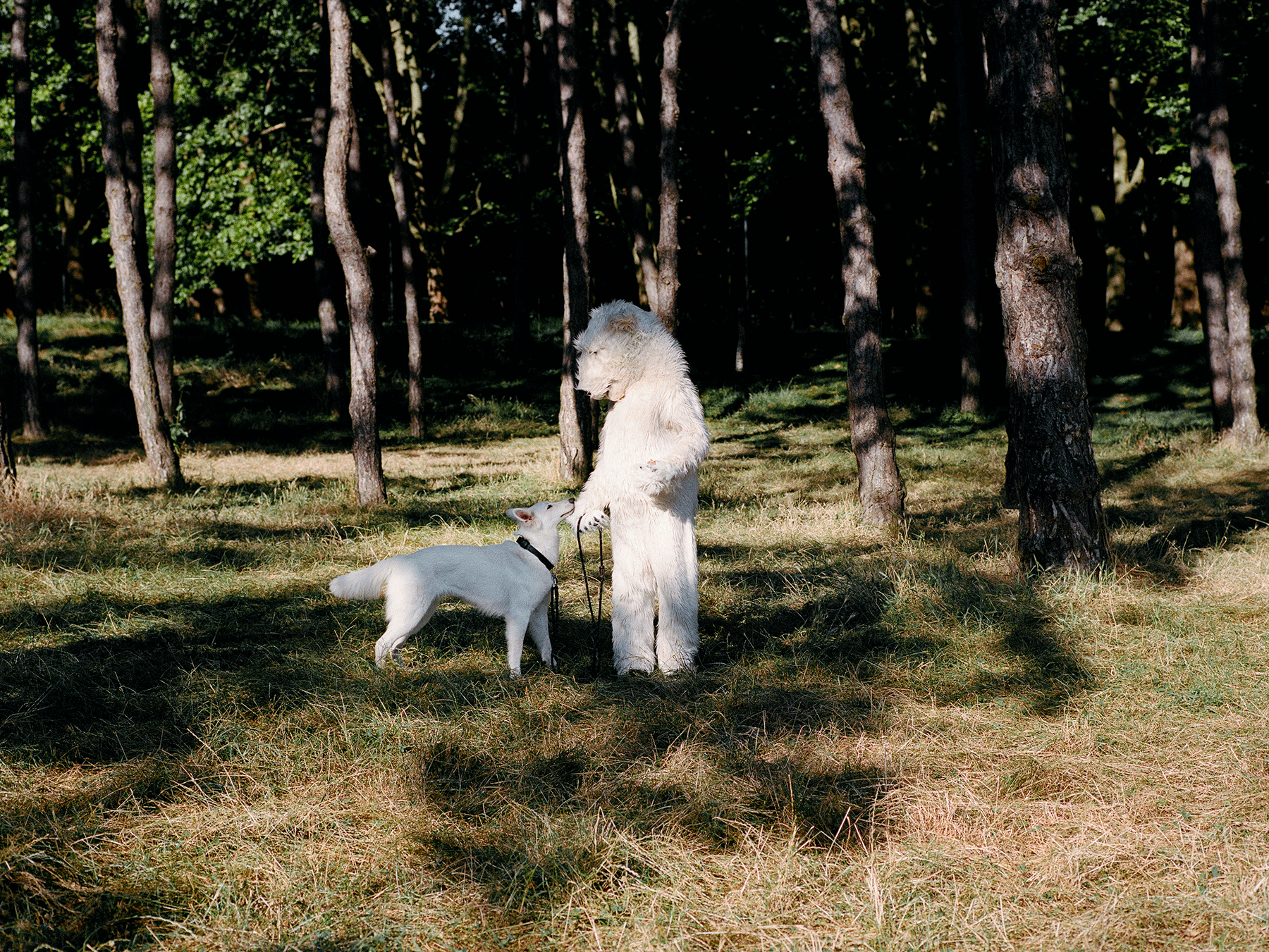
Jarrigeon takes this strangeness as a starting point, bringing the trees into conversation with shells, flowers, animals, and objects. His photographs play with the idea of what nature can be, and with the curious possibility that the world might contain forms of life and ways of being that sit outside our usual understanding.
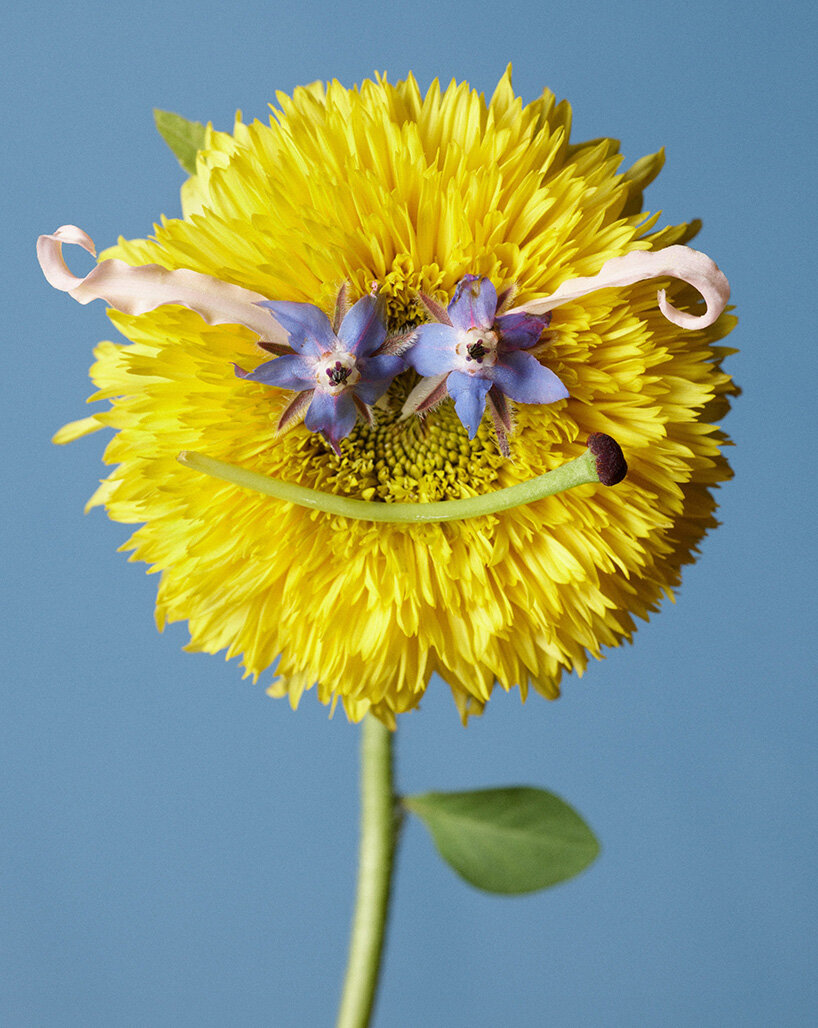
A photographic language between fashion and fantasy
Jarrigeon’s approach to photography has developed over nearly two decades, moving between editorial commissions, commercial work, and personal projects. After graduating from ECAL (École cantonale d’art de Lausanne) in 2006, he began building a practice shaped by the visual languages of fashion, design, advertising, and popular culture.
His photographs often borrow from the polished aesthetics of fashion campaigns and the saturated imagery of 1980s and 1990s popular culture. Vivid colors and elaborate compositions give his images an immediately recognizable visual character. Yet Jarrigeon rarely uses these references straightforwardly. Humor, irony, and unexpected details introduce a sense of play and disrupt the apparent perfection of the scenes.
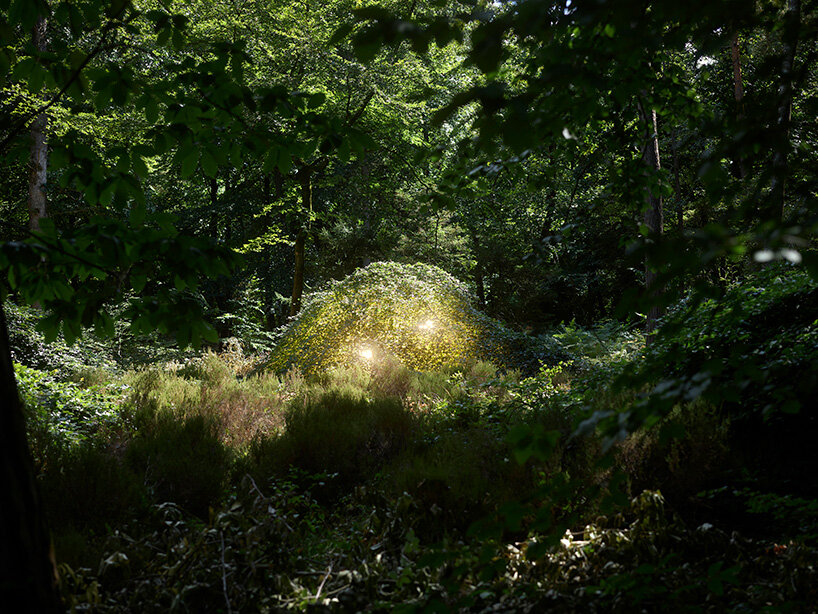
Entering the forest with ‘Rocher Fatal’
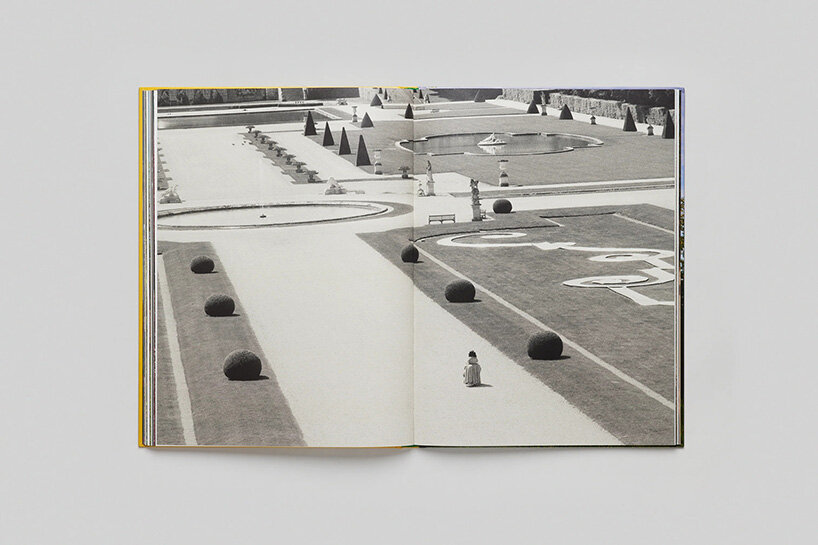
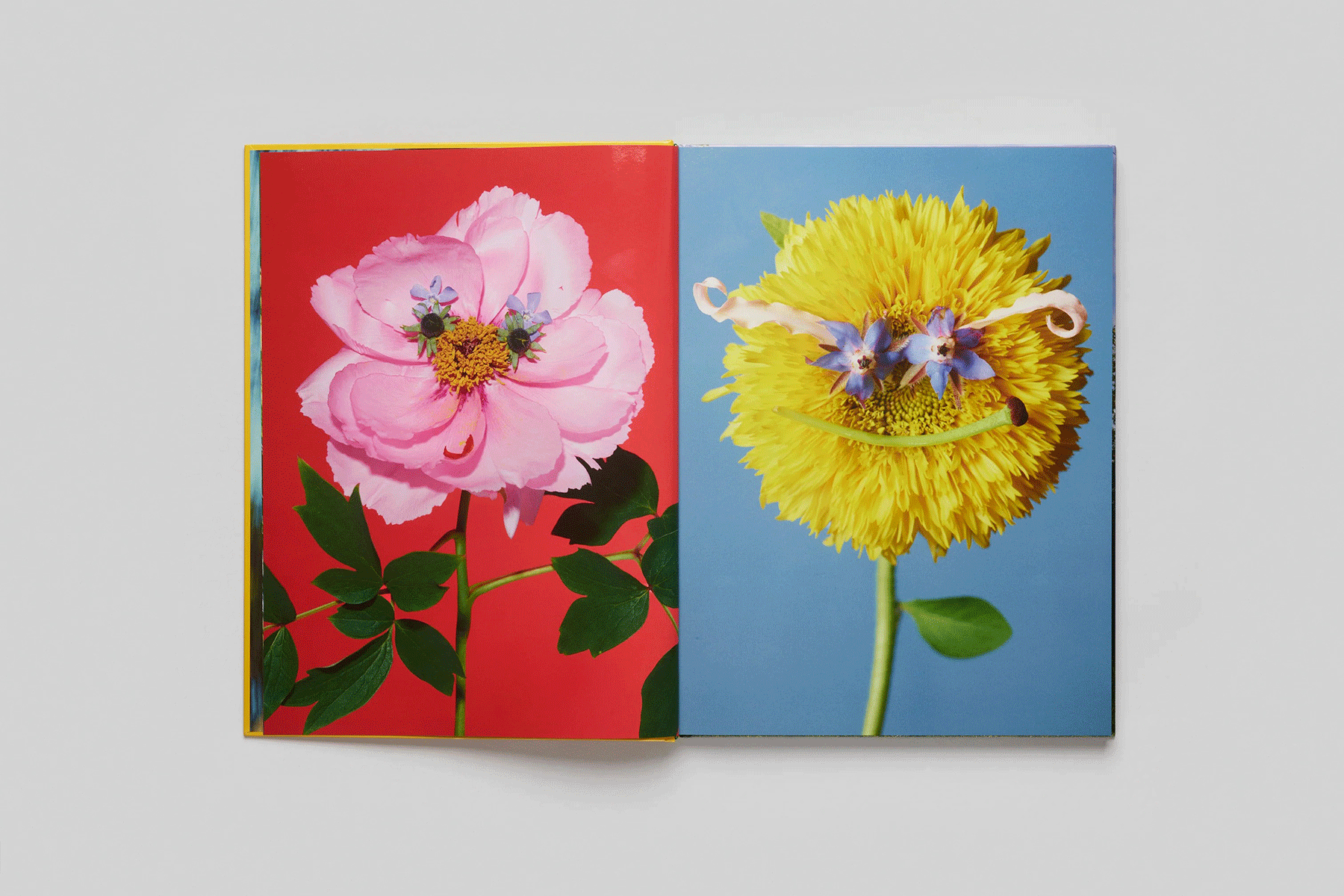
In Rocher Fatal, Philippe Jarrigeon spends two years photographing the Forest of Fontainebleau, approaching it as a setting for a series of curious episodes. Published by RVB Books with a text by Laura Vazquez, his second book brings together abandoned castles, dormant quarries, hikers, deer, and a fallen knight. A smiling flower and a seemingly ordinary rock also find their way into the story, alongside appearances by artists Nina Childress, Théo Mercier, Vimala Pons, Laura Vazquez, and Rebeka Warrior.
The photographs have a cinematic quality, but Jarrigeon’s sense of humor keeps the scenes from becoming too serious. The forest is at once recognizable and strangely theatrical, with its trees and inhabitants becoming part of the same narrative. In the years following the photographs, fires damaged parts of the Fontainebleau forest, affecting its trees, habitats, and well-used paths. The book also recalls a landscape that has since undergone significant damage.
Imagining other forms of life
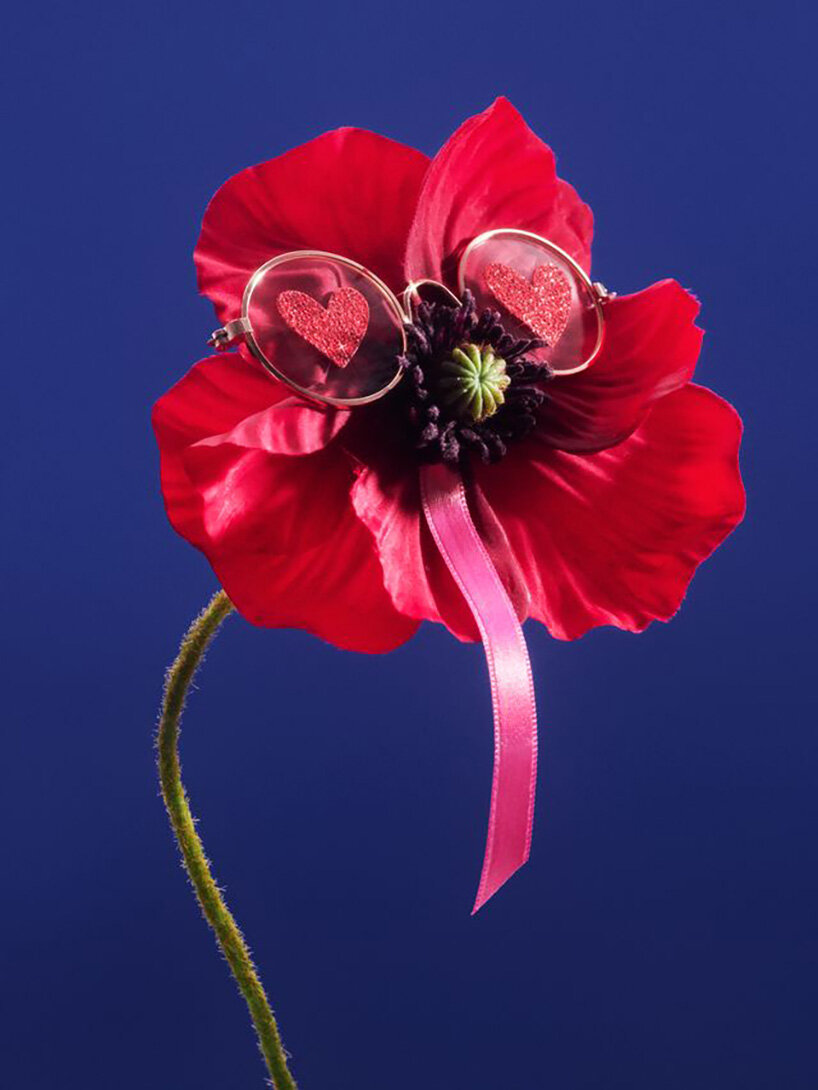
In Le Vrai du Faux, Jarrigeon continues this exploration in the Champagne region, where geological history and living forms become material for an imaginative photographic project. The Faux de Verzy, with their unusually twisted trunks and branches, are among its central subjects. Their shapes give the trees a supernatural presence, and Jarrigeon photographs them as though they were characters.
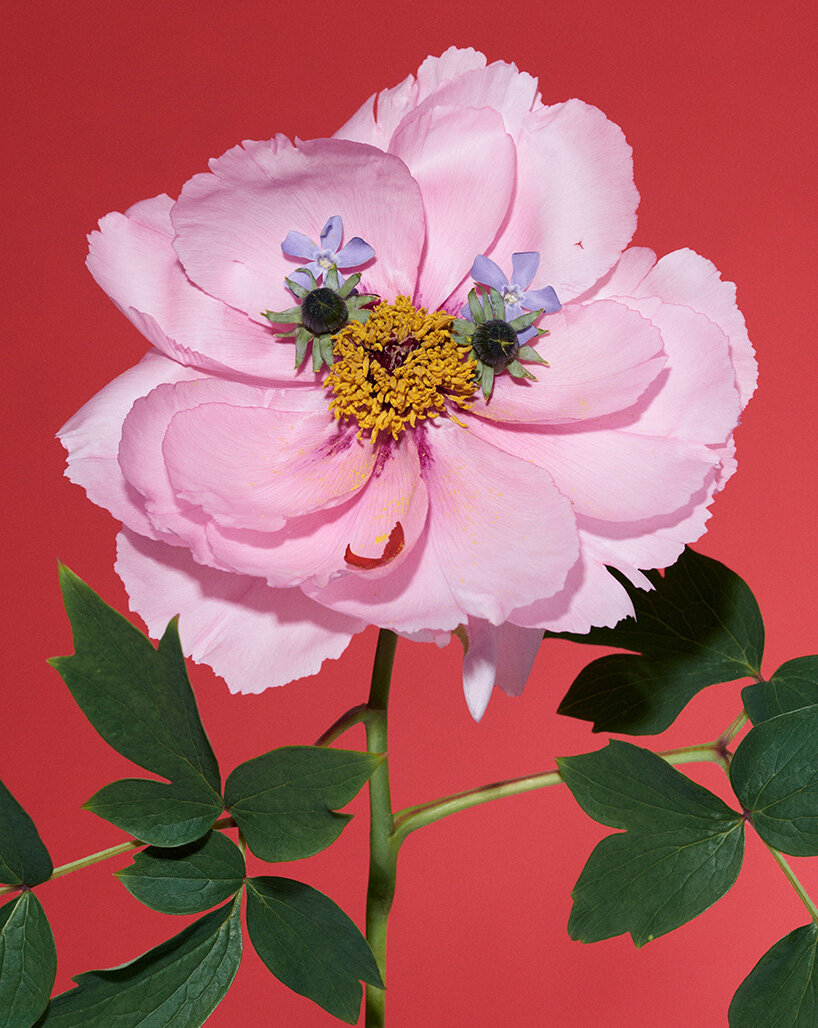
Other images introduce shells, remnants of a sea that once covered the region, alongside bouquets, luminous forms, and ambiguous figures. In The Harvest, Poppy, and The Surprise, familiar natural elements take on an unfamiliar character through composition and staging. The presence of animals and human figures complicates the distinction between observer and subject, while objects appear to belong as naturally to the landscape as the plants and creatures around them.
Jarrigeon describes the project as an invitation to look beyond nature as scenery. ‘With Le Vrai du Faux, nature is never treated as a mere backdrop; it becomes a source of inspiration and a space for imagination. My experience of Champagne has shaped a vision of landscapes inhabited by presences, spirits, remnants of the past, and fictions,’ the photographer notes.
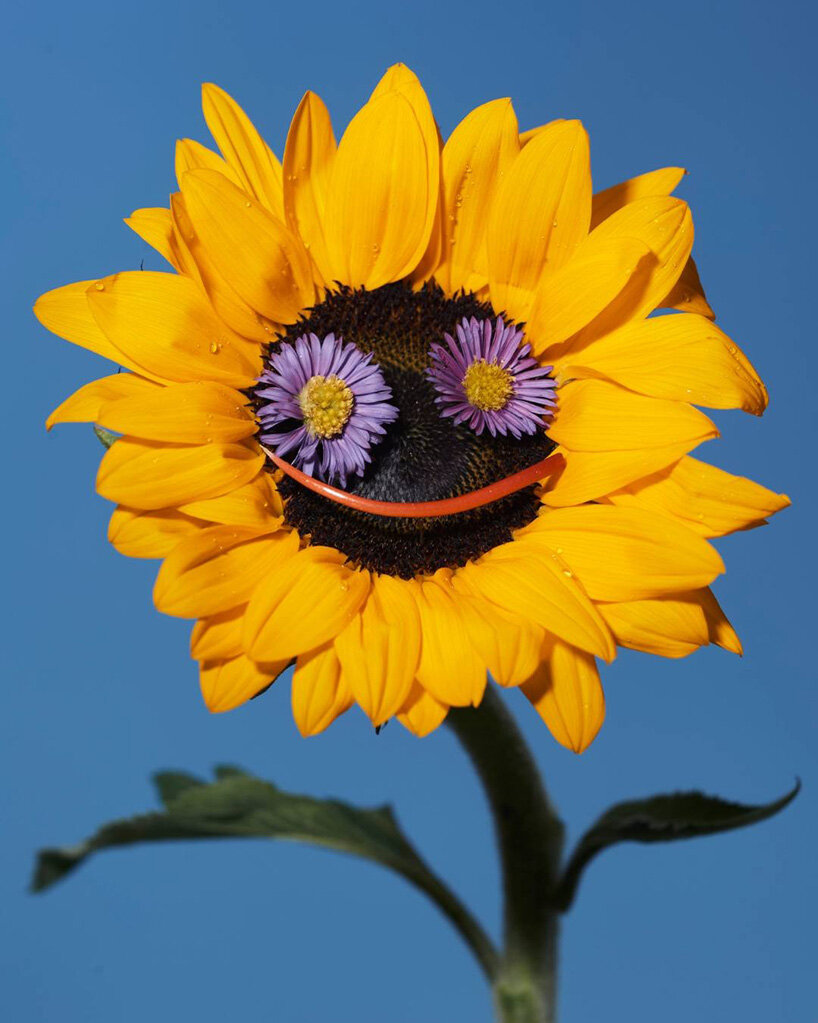
Imagining life beyond familiar boundaries
Jarrigeon avoids the usual solemn approach to nature, creating images in which trees, flowers, shells, animals, and man-made objects appear side by side. The combinations are often unexpected, giving familiar elements a different character.
The photographs also move away from a human-centered view of the natural world. People are only one presence among many, sharing the scenes with plants, animals, and objects. Jarrigeon leaves the relationships between them open, allowing the images to move between the recognizable and the absurd.
Le Vrai du Faux is presented by WOMANRAY in the Émergence section of Paris Photo, taking place at the Grand Palais from November 12 to 15, 2026. The project also marks Jarrigeon’s selection for the Prix Maison Ruinart. Meanwhile, his solo exhibition Rocher Fatal is on view at WOMANRAY in Paris through December 24, bringing together work from his recent exploration of the Forest of Fontainebleau.

L’ours et le chien, Prix Maison Ruinart 2026
Project info:
Photographer: Philippe Jarrigeon
Current exhibition: Rocher Fatal – solo show
Venue: WOMANRAY, 18–19 Passage Molière, 75003 Paris, France
Dates: November 6–December 24, 2026
Upcoming presentation: Le Vrai du Faux – Paris Photo 2026, Émergence section
Venue: Grand Palais, Paris, France
Dates: November 12–15, 2026
This article is part of designboom’s POSTHUMAN UTOPIAS chapter, exploring what happens when humans are no longer the measure of all things. These stories rethink our relationship with the planet through interspecies architecture, living materials, regenerative landscapes and emerging technologies – learn more here! The chapter is presented in partnership with INDX|GLOBAL – a global cultural platform placing Indian architecture, design, and creative intelligence in conversation with the world.
Each designboom editorial series explores one theme in depth through projects, interviews, features and news across architecture, design, art and technology. Discover more chapters here, and get in touch if you’d like to submit a story through our submissions portal or contact form.
The post philippe jarrigeon finds the extraordinary in nature, from twisted trees to surreal encounters appeared first on designboom | architecture & design magazine.
2In New York, Elmgreen & Dragset Recreate the Oval Office in Weathered Steel
The following is a clipping from Latest from Wallpaper, dated November 9, 2026.
It’s a Torqued Ellipse! It’s a Torqued Spiral! It’s…the Oval Office?! Just days after former President Barack Obama likened the Trump-era White House to a Cheesecake Factory opened by Saddam Hussein, the people have spoken, the political tide has turned, and the Oval Office has been stripped of its ersatz ormolu and transformed into a serene volume of Cor-Ten steel. Starting today, you can step inside.
This Oval Office, all 36 handsomely weathered tonnes of it, is the work of Elmgreen & Dragset, fresh from rectifying another presidential design blunder with the installation of their meticulously crafted, cyan-bottomed pool in the Hirshhorn Museum’s revitalized sculpture garden. From Washington, DC, the Danish-Norwegian artist duo headed to Manhattan to put the finishing touches on ‘TRANSITION,’ an impeccably timed new exhibition at Pace Gallery that evolves the 'Powerless Structures' series
It’s a Torqued Ellipse! It’s a Torqued Spiral! It’s…the Oval Office?! Just days after former President Barack Obama likened the Trump-era White House to a Cheesecake Factory opened by Saddam Hussein, the people have spoken, the political tide has turned, and the Oval Office has been stripped of its ersatz ormolu and transformed into a serene volume of Cor-Ten steel. Starting today, you can step inside.
This Oval Office, all 36 handsomely weathered tonnes of it, is the work of Elmgreen & Dragset, fresh from rectifying another presidential design blunder with the installation of their meticulously crafted, cyan-bottomed pool in the Hirshhorn Museum’s revitalized sculpture garden. From Washington, DC, the Danish-Norwegian artist duo headed to Manhattan to put the finishing touches on ‘TRANSITION,’ an impeccably timed new exhibition at Pace Gallery that evolves the 'Powerless Structures' series of finely calibrated reconfigurations they began in 1997.
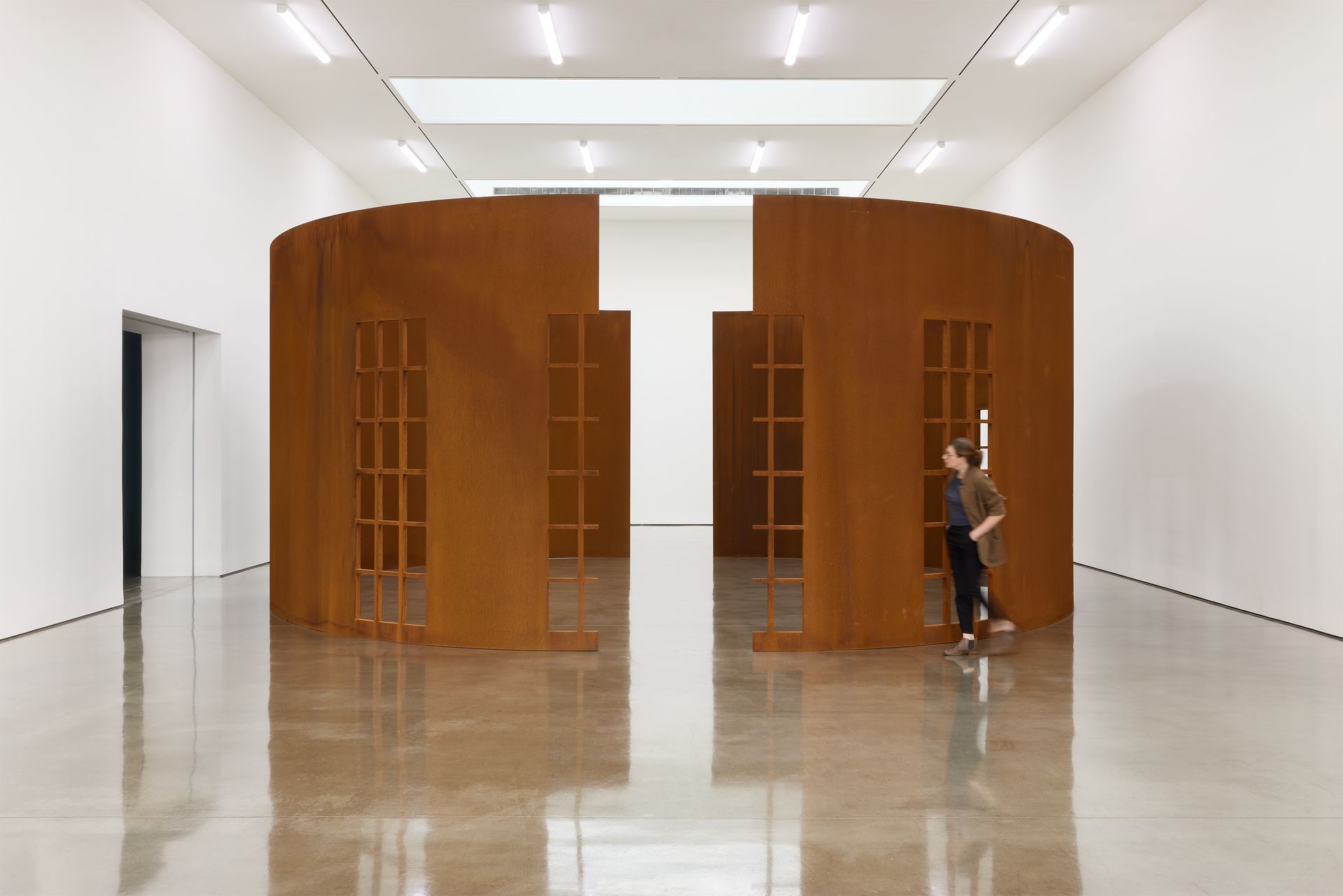
‘We discovered that the Oval Office is actually not very big, even though it’s torturing your social feed every morning and puts you in a very bad mood,’ said Elmgreen at a preview of the show. ‘So, we thought, why don’t we turn that entity into a sculpture? Why don’t we try to take away its power symbols, all its decorations, all its authoritarian structure, and see what it becomes if it’s pure volume?’
The Richard-Serra-meets-the-West-Wing result is at once monumental and enveloping, austere and cozy. Fabricated in north German steel country by Serra’s metal-formers of choice, the two-part structure is just shy of actual size and aerated by lattices of would-be windowpanes and a door – all placed to match those of the actual Oval Office.
Passing into the bracketed void, the artists provided further orientation. ‘You’re walking through the Resolute desk,’ noted Dragset, while Elmgreen pointed out a pair of imaginary couches and the space where the press would scrum. ‘It fills up very easily,’ he said. ‘Journalists are aligned along this wall.’
The choice of Cor-Ten steel not only connects the installation with the formal language of Minimalism (most notably Serra, with a side of Gordon Matta-Clark’s decisive cuts and apertures) but also imbues it with vitality – a robust and earthy contrast with what Obama described as ‘supergluing gold medallions to the mantel.’
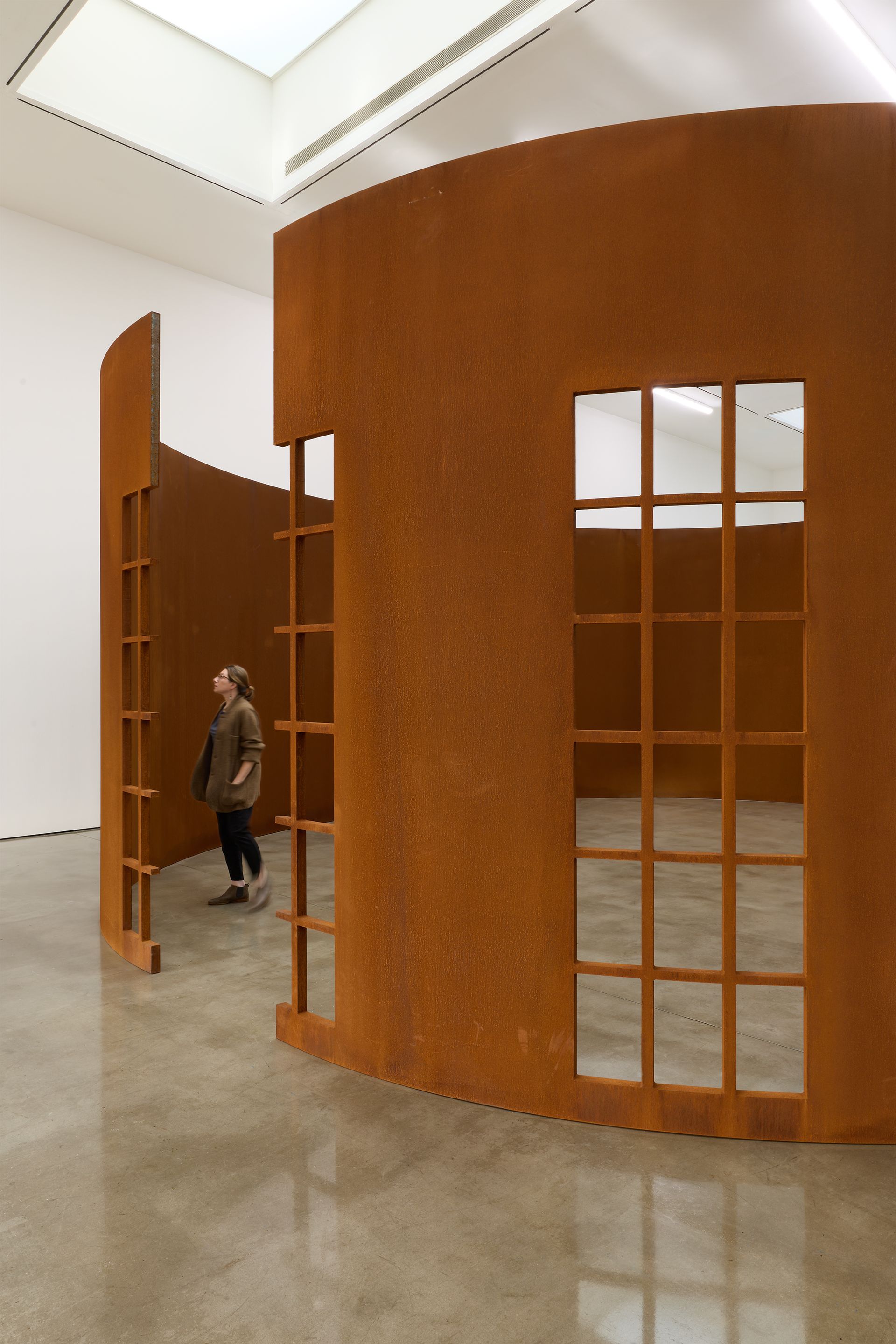
‘We can’t take credit for the incredible surface,’ said Dragset, eyeing the variegated russet tones blooming on the curved walls. ‘It was transported by sea in an open crate, and exposure to the elements created this painterly quality. It’s a surface of constant transformation.’
The rugged, traversable oval sculpture is paired with an adjoining room of six large wall-mounted circular works. This is the Balcony Series, in which Elmgreen & Dragset have altered photographs of assorted heads of state waving from on high. ‘The balcony is another architectural power centre, supporting and elevating the head of state who is standing above people’s heads and waving down,’ said Elmgreen. ‘Images of royals and presidents are cut out of the image. The important part for us is the balcony – it’s the guilty architecture.’
Silkscreened in black and white onto stainless steel plates polished to a fine gleam, familiar figures are disappeared into mirrored silhouettes, reflecting onto the floor as human shadows. Eye-level placement means that the viewer encounters his or her own visage where the missing leader’s should be.
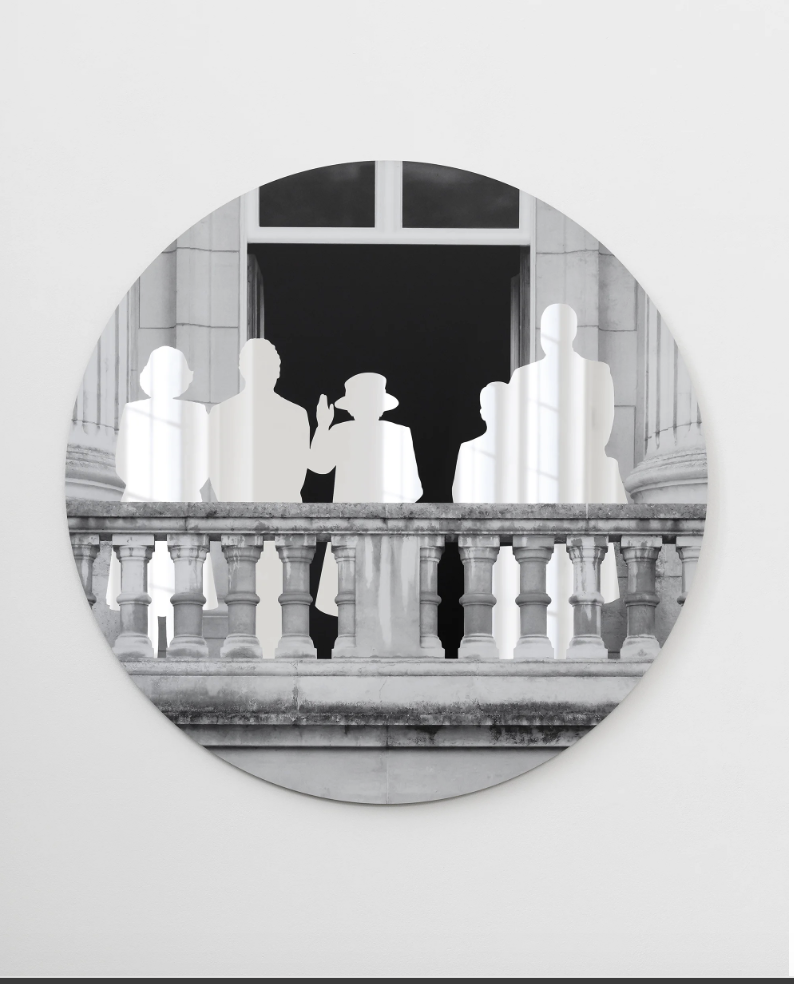
Is it a despot? A beloved monarch? A slick alum of Sciences Po? The identities and locations are not disclosed, but the Buckingham Palace scene is unmistakable, and architectural detectives will delight in mining the other balconies for clues. Those delicate decorative accents that carry the fizz of Danish Rococo suggest Margrethe II, who Elmgreen recalls waving a little flag for in 1972, when she was proclaimed queen (on the balcony of a different Copenhagen palace). Over at the Casa Rosada (disguised in greyscale), the legacy of Evita is carried on by the distinctively coiffed present-day president of Argentina, Javier Milei.
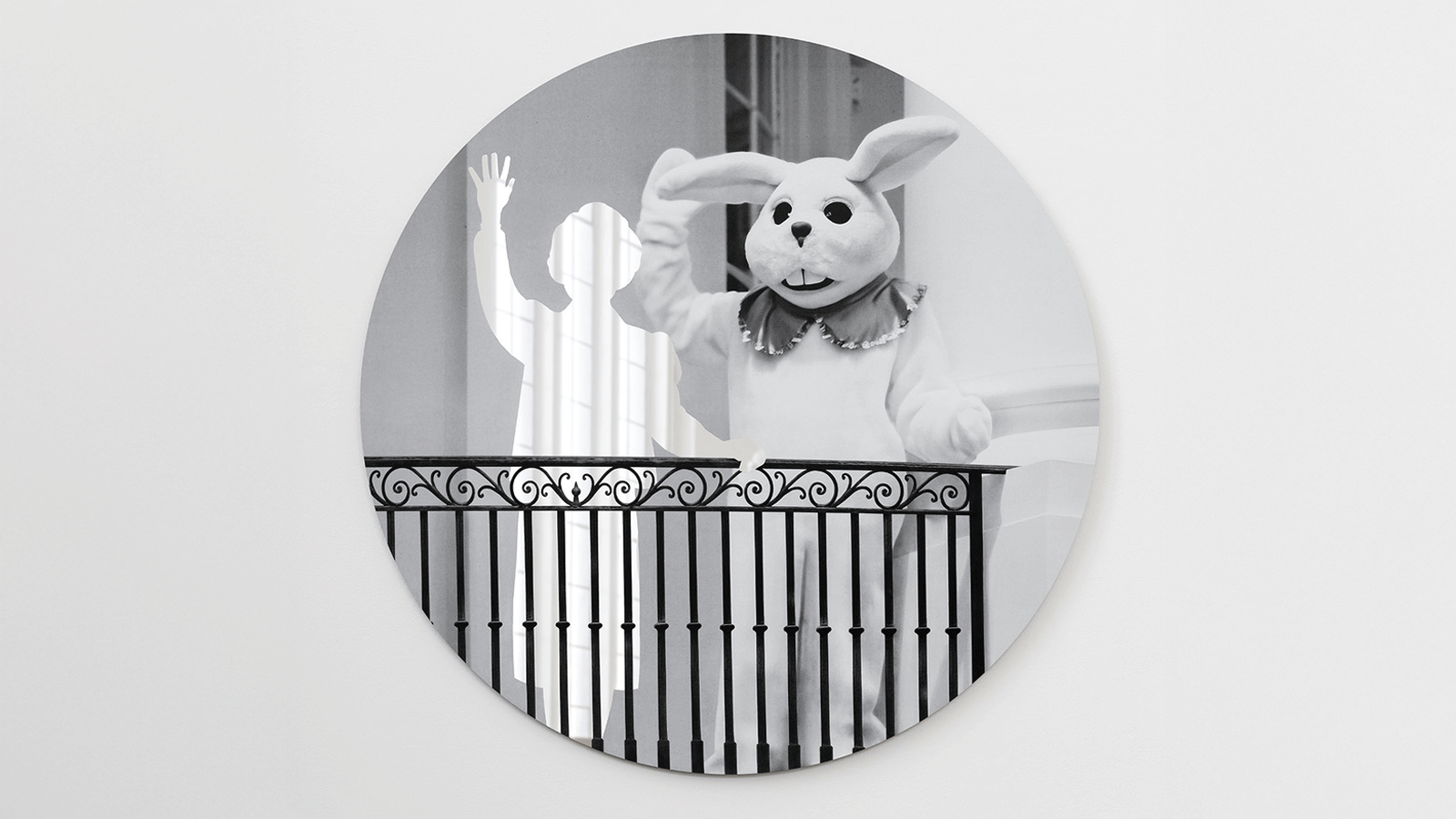
In one work that gets a wall to itself, the silhouette of former First Lady of the United States Nancy Reagan is joined on the White House balcony by a figure in an Easter bunny costume. Where some will see whimsy, others, including Elmgreen & Dragset, discern a figure synonymous with her deadly silence during the AIDS epidemic of the 1980s.
Yet as the last several days have demonstrated, change – transitional, transformational, even triumphant – is possible. ‘These works are the ultimate in adaptability. Due to their mirror-polished surface, they will change according to where they hang,’ said Elmgreen. ‘They will suck in the surroundings and tell a different story. Think of it, this one, reflecting a blue sky, you would suddenly turn it into a Magritte!’
‘TRANSITION’ is on view at Pace Gallery until 16 January 2027
3Massive 18th C. Pediment Returns to Rotterdam Plague Hospital Site
The following is a clipping from The History Blog, dated November 9, 2026.
A massive sandstone pediment weighing five metric tons that once topped the entrance to the 18th century plague hospital in Rotterdam is returning to its original site after 115 years in storage.

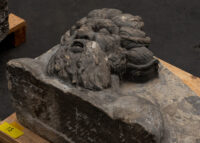
The triangular tympanum is 9.4 meters (31 feet) wide, more than two meters (6.6 feet) high and features seven coats of arms from members of the Rotterdam City Council bounded by two allegorical figures representing the rivers Meuse and Rotte with bound the city of Rotterdam.
 The Pesthuis was built to house plague victims in 1716. It was the first building constructed south of the New Meuse river in what is now the Feijenoord neighborhood, intended to quarantine patients with infectious diseases away from the heart of the populated city. A century later, the Nederlandsche Stoomboot Maatschappij (Dutch Steamboat Company) made the Feijenoord one of the city’s most
A massive sandstone pediment weighing five metric tons that once topped the entrance to the 18th century plague hospital in Rotterdam is returning to its original site after 115 years in storage.
The triangular tympanum is 9.4 meters (31 feet) wide, more than two meters (6.6 feet) high and features seven coats of arms from members of the Rotterdam City Council bounded by two allegorical figures representing the rivers Meuse and Rotte with bound the city of Rotterdam.
The Pesthuis was built to house plague victims in 1716. It was the first building constructed south of the New Meuse river in what is now the Feijenoord neighborhood, intended to quarantine patients with infectious diseases away from the heart of the populated city. A century later, the Nederlandsche Stoomboot Maatschappij (Dutch Steamboat Company) made the Feijenoord one of the city’s most active industrial areas.
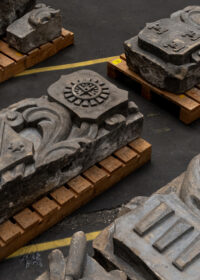 The Pesthuis was demolished in around 1900. Only the tympanum was saved. In 1910, it entered the collection of the Museum Rotterdam, but was never displayed. Its sheer massiveness made it challenging to exhibit.
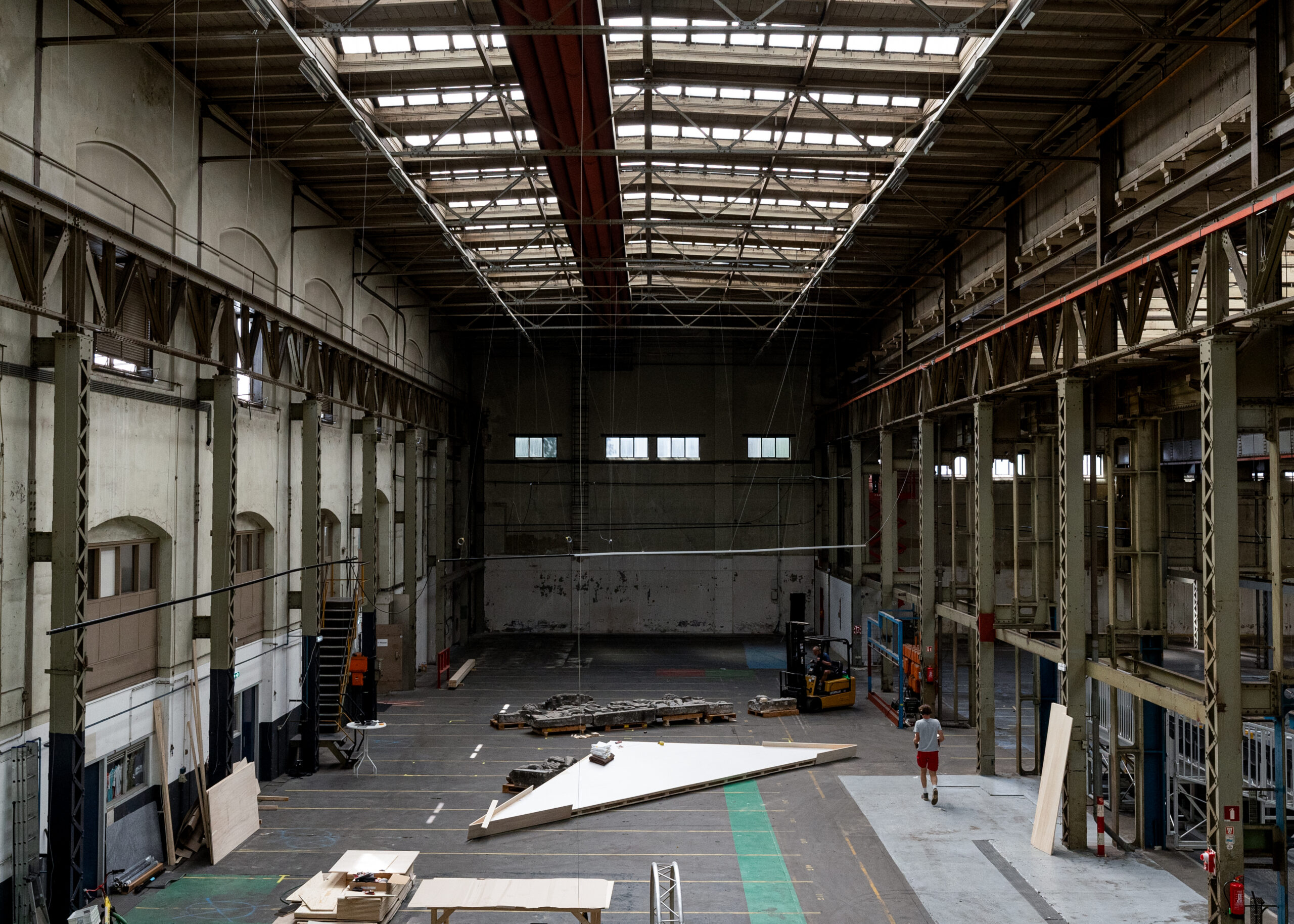
The Hunter Douglas industrial complex was built where the Pesthuis once stood, and this year the Piekfabriek on the former Hunter Douglas site is hosting the 12th International Architecture Biennale Rotterdam.
For the biennial, architectural firm LNML designed an installation in which the (re)use of stone takes center stage. The tympanum of Museum Rotterdam is part of this installation. The former industrial area is once again at the beginning of a major transformation. In the coming years, it will be given a new future with space for living, working, and amenities.
It is fantastic that a masterpiece from our city historical collection can be fully displayed again after more than a hundred years. This was always a problem due to its enormous size and weight. It is especially wonderful that, in doing so, it is also returning to the place where it came from .
— Curator and Historian Rob Noordhoek of Museum Rotterdam
4Behind the Walls of a Design-Led Cruise Ship: The Finnish Craftspeople Kitting Out a Megacity on the Sea
The following is a clipping from Monocle, dated November 9, 2026.
Built to house 5,610 guests, Royal Caribbean’s Star of the Seas towers over the Aura River near Finland’s oldest city, Turku, when Monocle visits the Meyer Turku shipyard. Across 365 metres and 20 decks, the ship is divided into eight “neighbourhoods”, with names including Thrill Island (with a waterpark with six massive waterslides), Central Park (home to more than 33,500 plants) and Aquadome (a retreat and show venue with robotic arms and diving platforms), the last being a giant glass dome perched above the ship and, as I soon learn, a veritable feat of engineering. The ship also boasts more than 40 bars and restaurants, three theatres and a sizeable spa with 28 treatment rooms.
Meyer Turku has a reputation among industry professionals as the go-to dockyard for the largest and most complex cruise ships. “The shipyard here has the
Built to house 5,610 guests, Royal Caribbean’s Star of the Seas towers over the Aura River near Finland’s oldest city, Turku, when Monocle visits the Meyer Turku shipyard. Across 365 metres and 20 decks, the ship is divided into eight “neighbourhoods”, with names including Thrill Island (with a waterpark with six massive waterslides), Central Park (home to more than 33,500 plants) and Aquadome (a retreat and show venue with robotic arms and diving platforms), the last being a giant glass dome perched above the ship and, as I soon learn, a veritable feat of engineering. The ship also boasts more than 40 bars and restaurants, three theatres and a sizeable spa with 28 treatment rooms.
Meyer Turku has a reputation among industry professionals as the go-to dockyard for the largest and most complex cruise ships. “The shipyard here has the ability to translate our most ambitious concepts into reality,” Royal Caribbean’s vice-president of Architectural & Design, Sascha Lang, tells Monocle. The vessels built here are so complex and so large that an entire marine cluster has grown up around the area. It includes universities, subcontractors and suppliers, making the marine industry a key driver of the regional economy. “This is the biggest single employer in Western Finland,” adds Meyer Turku CEO Casimir Lindholm. “Every day more than 6,000 people work on-site and the indirect economic effect doubles that.”

One area of shipbuilding expertise that this region boasts is interior design. Though the scale of the vessel is astounding, that alone isn’t enough to justify the hefty ticket prices that people pay to cruise on the likes of Star of the Seas. Given that guests often spend days to weeks on these liners, they also need to look the part. Star of the Seas features elegant interiors spread across dozens of accommodation categories. Rivalling the world’s top hotels for style and comfort, its cabins are bright and modern, many with balconies opening directly onto the sea. The most opulent suites span across four decks and feature private sun decks and en-suite dining. “The interior design and fit-out companies in Finland are the crème de la crème,” says Lang. “Companies such as Merima, Naval Interior Team [NIT] and Orsap are not just suppliers. They are partners who help us innovate.”
Founded in 1987 and still family-owned, Merima’s 140-plus employees are often called in for the most challenging assignments. On Star of the Seas, this meant handling the Aquadome, the main theatre, the waterpark and the outer decks. “This has been our most complex project,” Juuso Normio, the company’s head of newbuild, tells Monocle as we tour the expansive pool area, where slides hang overhead, some even running over the ocean for the ultimate thrill-seekers. “We receive the architects’ concepts, adapt them so they can be built, make sure that the technical systems fit and confirm that the materials suggested are possible to use. Then we manufacture parts either at our factory in Helsinki or with our subcontractors and install them here at the shipyard.” Merima is a turnkey provider, meaning it delivers the entire package from design to finishing. “That’s what the shipyards and cruise lines value,” says Normio. “They know we can take care of everything.”


Designing and building interiors for a ship of this scale is so time-consuming and technically demanding that several companies are often involved. On Star of the Seas, the 7,000 sq m Royal Promenade – the vessel’s high street of sorts, lined with cafés, bars and shops – was entrusted to NIT, a shipbuilding company based in Piikkiö, east of Turku. “In this project, the biggest challenge was to make the space feel light and airy, while not compromising on the physical security of the vessel,” says NIT’s director of sales Sebastian Lagerlöf. The shipbuilder’s role in the Royal Promenade illustrates how design is shifting towards connection with the ocean. The light-filled avenue offers magnificent views of the surrounding Caribbean Sea (where the vessel is based today), reminding passengers that cruises are about more than what happens inside the suites. Like everywhere, interior-design trends evolve with time. “Large American cruise-ship operators are moving towards the Scandinavian style, which means lighter materials, cleaner lines and more natural light. That plays to our Finnish strengths,” says Lagerlöf.
The stair towers, a large conference centre and the lavish spa were entrusted to Orsap, an interiors specialist founded in 1991 that now employs 71 people. “The spa features a lot of stone and marble, as well as curved forms and integrated steam technology,” says project director Jukka Ansavuori. “We first prefabricated the treatment rooms in our workshop and then installed them here on the ship.” Orsap prides itself on controlling the whole chain from design and electrics to fabrication and installation. “We don’t outsource design. We take the cruise line’s concept, then we determine how to make it real. Almost everything is drawn and planned before production,” adds Ansavuori.


Finnish businesses such as Merima, NIT and Orsap face intense competition from abroad. Italy’s strong design credentials make it a powerhouse in ship interior design. Germany’s tradition of engineering excellence makes it another formidable player. France is another major European competitor, with Chantiers de l’Atlantique at Saint-Nazaire producing large vessels. “The cruise interiors industry is international,” says Lang. “But Finland has carved a very particular niche for itself. The Finnish companies merge ambition with precision and they are willing to adapt to new challenges.”
Finland’s prominence in this industry might surprise many but it is not accidental: Turku has been a shipbuilding hub since the 18th century. For Finland, the effect is economic as well as reputational; the maritime cluster employs about 30,000 people nationwide and generates €12bn in annual revenue. “When we innovate, we want to create the next big thing. Meyer Turku and its partners are willing to take risks with us to solve problems that look impossible at first. That’s why we build our most ambitious ships here,” says Lang.
Walking through ships like Star of the Seas, it is easy to forget the complexity behind its walls. Most passengers will likely never hear the names Merima, NIT or Orsap. Yet their work, and that of other Finnish companies specialising in cruise-ship interiors, shapes every experience on this ship. For Turku, the reward is recognition as the world’s capital of cruise interiors – a title it’ll hold on to as the next maritime leviathans are already in the works in its docks.
Royal Caribbean Group’s fleet size: Seventy-one ships across its global and partner brands
Order book: Two new cruise ships by 2032 and five new land-based destinations by 2028
Royal Caribbean Group employees: Approximately 108,000 at the end of 2025
Number of guests: More than 100 million in 50 years across the Royal Caribbean fleet
Royal Caribbean Group’s turnover: $17.9bn (€15.9bn) in 2025
The post Behind the walls of a design-led cruise ship: The Finnish craftspeople kitting out a megacity on the sea appeared first on Monocle.
5Pop Star Daine Is Done Second-Guessing
The following is a clipping from Interview Magazine, dated November 6, 2026.

All photos courtesy of daine.
Daine is in the middle of doing their makeup when I let them into our Zoom meeting. Brush in one hand and smoky eye shadow palette in the other, they apologize for the multitasking, though I assure them I don’t mind. “But this [interview] is going to be chill,” they say with a smile, less a question than a declaration. And it is. Perhaps for the same reason hundreds of thousands of new listeners have fallen in love with daine this year: their carefree, infectious joie de vivre that isn’t afraid of inhabiting life’s darker corners. The pop star curls their lashes while casually invoking Carl Jung’s philosophy to explain their music. They dance on tabletops while waving pom-poms in the music video for feel-good anthem “PQC,” even as the lyrics they chant grapple with
All photos courtesy of daine.
Daine is in the middle of doing their makeup when I let them into our Zoom meeting. Brush in one hand and smoky eye shadow palette in the other, they apologize for the multitasking, though I assure them I don’t mind. “But this [interview] is going to be chill,” they say with a smile, less a question than a declaration. And it is. Perhaps for the same reason hundreds of thousands of new listeners have fallen in love with daine this year: their carefree, infectious joie de vivre that isn’t afraid of inhabiting life’s darker corners. The pop star curls their lashes while casually invoking Carl Jung’s philosophy to explain their music. They dance on tabletops while waving pom-poms in the music video for feel-good anthem “PQC,” even as the lyrics they chant grapple with public scrutiny and failure. It’s a duality written into the very title of their latest album, In Endless Awe & Agony, and woven throughout its tracks, which find the musician equally enchanted and disillusioned by love, friendship, and the everyday. “Life is really that way,” they say with a shrug. “It’s all the truth.”
To celebrate the release of In Endless Awe & Agony, daine sat down with us to discuss the album, how they’re injecting millennial optimism into Gen Z, and what everyone seems to get wrong about Australia.
MONDAY 5 PM OCTOBER 26, 2026 NEW YORK CITY
———
SOFI CISNEROS: How are you doing? I’m sorry you were sick last week.
DAINE: Oh my god, I’m still recovering. The antibiotics lowkey have me fucked up. I’m still sniffly and my voice is gone. But I’m pushing through it because I have to.
CISNEROS: Where are you right now?
DAINE: I am at Untitled on Bowery.
CISNEROS: Oh, okay, cool. So you’re still here in the city. How was your album release party?
DAINE: It was kind of magical. Like, it felt like a fairy tale. I feel like I finally have done the thing, you know? I never thought it was a possible feeling for me to have. I thought that no matter how big this gets, I won’t feel like I’ve ever achieved anything—also, I’m so sorry. I need a pass to be, like, unprofessional. This is so rude.
CISNEROS: No, you’re so okay. Your makeup looks fab. And, like, this is Interview mag. We’re professional when we need to be. But yeah, I saw that video of Harry Daniels serenading you with “PQC.”
DAINE: I was with him all day yesterday. He’s such a real one, and I think he’s a genius.
CISNEROS: Love him. I want to say real quick that I absolutely adored your moment at Niteharts with underscores raising the Filipino flag. That was everything.
DAINE: Aye, Filipino gang!
CISNEROS: Pinoy pride! Ok, let’s talk about your album. Do you feel ready for In Endless Awe and Agony to be out in the world?
DAINE: Oh my god, no. Like, yes, but no. I’m a big believer in the jump-before-you-feel-ready type of thing. I wasn’t ready to write my first album. I was like, I can’t do this, I don’t even know what I’m gonna write about, which sounds really bad because I’m a musician. I’m supposed to want to write an album, but I think I was scared. I wasn’t sure if I had it in me, or if I had anything valuable to say to anyone except myself. For it to be received so well before it’s even out is really special. I can’t believe how all of this is going.

CISNEROS: You’ve had such an insane past few months. “PQC” had an immediate overwhelmingly positive reaction, you toured with Ninajirachi, your “Hello” cover is single-handedly reviving millennial optimism. What do you make of this moment in your career?
DAINE: I think it’s proof that with consistency, you’ll eventually have your moment. Everyone’s like, “You’re the new thing,” and, “you’re an overnight success,” blah blah blah. But it took so many years of trying and failing. I hope from this campaign that people see it’s okay to fail and to be like, “Fuck it.” When you let go, things may start to work more in your favor, whereas before, I was too attached to the outcome. Going through emotionally tumultuous things and life milestones, growing pains, the throes of your early 20s—all of that stuff actually makes you into a better artist. I also think that art is not something that you get better at over time in a linear way because some of your best art can be made when you’re a teenager and you’re so unashamed of yourself. My early stuff is actually really great, but I wasn’t landing with people because I didn’t seem sure of myself.
CISNEROS: Did you have any inkling when you were making this record that the response to your work was going to be this big, or were you taken completely by surprise?
DAINE: I think I had a feeling my life would get a little bit better and that things would start working out a bit, but I didn’t think that they would take off. I think other people knew before I did, if that makes sense.
CISNEROS: Totally. How do you feel about being the face of Gen Z optimism?
DAINE: It feels great. Like, someone’s gotta fucking do it. Millennials really had it all figured out, while Gen Z—we’re great, but no one’s bringing back the vibe that millennials had. They were so cool. I feel like we’ve got to step it up and get on their level.
CISNEROS: I agree. We love to clown them, but they were the blueprint.
DAINE: They had a cohesive cultural identity. They were the last generation to have a look, you know? Like, there’s no such thing as Gen Z fashion.
CISNEROS: It’s so true. That finger ‘stache you did during the “Hello” cover saved lives, by the way.
DAINE: Oh my god, thank you. It was so last minute. They were literally turning the cameras on, and we were like, “Wait!”

CISNEROS: It was so good. Your music has previously been described as more emo, grungy, darker in theme, and had more vocal distortion, whereas this record sounds like you’re leaning into a childlike, playful energy. There are so many bubbly melodies and production, and visually, it’s very pastel and pretty. What shifted over the past few years in your music and mentality?
DAINE: I genuinely just got happier. I had so much personal loss in my life that I was liberated spiritually from. I think that I used to be insecure about my voice. I was more insecure of my feelings. When I started the record and wrote the opening track first, I went home and I crashed out. I was like, “I fucking hate this song. I suck at music. I’m never gonna make music again. This is so corny, and lame, and vulnerable, and gross.” And then I showed it to people, and they were like, “This is the best thing you’ve ever written.” So that was a turning point for me. I was like, “Oh shit!” I was afraid of looking at myself, so when I made art that was actually authentic and truly me, I was disgusted by it and thought it was bad.
CISNEROS: That’s really real. Is that authenticity maybe why so many people resonated with “PQC” too? Why do you think that song in particular really popped off when it was released? It’s such a personal feel-good anthem for me.
DAINE: It’s so funny because it’s lowkey sad. The lyrics are sad as fuck, but the melody feels good, which is what I hope my music overall can be. I always wanted my music to be like a transmutation of things because life’s fucking hard. I feel things so deeply and intensely, and I’ve rejected that about myself for so much of my life. If my music can help me and other people embrace that, then that’s a job well done in my opinion.

CISNEROS: Are you willing to give Interview an exclusive reveal of what “PQC” stands for?
DAINE: It’s a secret.
CISNEROS: Damn. I tried.
DAINE: I know. I’m so sorry.
CISNEROS: No, I respect that.
DAINE: I, like, want to tell people. It’s getting old. But also, we’re in too deep. I can’t reveal it now.
CISNEROS: You’re taking it to your grave. I feel like “Love Love (Love Love)” has that same happy-go-lucky melody with sad lyrics too. It’s about a girl you’re no longer friends with, but still wish well?
DAINE: Yeah, she’s a diva. Love her.
CISNEROS: Those friendships are so crucial to be able to grow and mature. I wish all those girls the best.
DAINE: For real. Well, like, I don’t know. She’s in psychosis and thinks that I am Ghislaine Maxwell or something.
CISNEROS: Oh, god. She’s going through it.
DAINE: Like, just please take your meds so we can hang out again.

CISNEROS: So true. Do you think that you’ve clarified your sound with this album?
DAINE: Oh my god, definitely not. I’m so scared because I don’t know what to make next. Also, I can’t pinpoint what the record sounds like because there’s a lot going on, so it really varies. I did not know what I was gonna do with the album in general, but I just kept making it song by song.
CISNEROS: What tracks are your favorites? And are there any that you’re nervous about releasing?
DAINE: It’s really hard. They’re like my babies. “Spider-man” and “Wishing Well” are the sleepers, the ones that people don’t really get but to me are extremely special on a personal level. “Spider-man” in particular is so vulnerable. It’s kind of about someone who abused me, which is really crazy. I’m apologizing to them, forgiving them, and viewing them in this really sweet, romantic light, which is so fucked up. Then, at the end, I flip it and say that I want to get violent with them, like I want to beat them up. It just shows the complexity of my feelings. I find the disturbing nature of it really beautiful and sweet because you can totally hate someone for doing the most disgusting shit to you ever, yet you can still have tender feelings towards them.
CISNEROS: Yeah, I feel like that comes through sonically too because you sang it in such a sing-songy, cutesy, coy voice. But, like you said, the lyrics are just so opposite that.
DAINE: Yeah, I literally sound like a kid on that song. My voice is so sweet and girly, which is crazy because I don’t really sound like that anywhere else on the record. I wanted to end on something acoustic and soft, so it’s an interesting note to leave it on.

CISNEROS: Definitely. Can you tell us about how Carl Jung played a role in the making of this album?
DAINE: Oh, yeah. I think because I didn’t go into the record with a plan, I let my subconscious take the wheel. If you look at Carl Jung’s map of the psyche, you can see that there’s all these parts of the self, and when listening [to the album], there’s all these different voices: the industry, the machine, the ego, the subconscious insecurities, and then the child. I was able to identify all of my feelings that I hadn’t realized yet. Jung describes the most dangerous type of person as someone who’s creatively inhibited because if you don’t integrate the different parts of your psyche, they dominate your life. You lash out at other people, you destroy yourself. I think that before this album, I was creatively inhibited. I was really on this path of destroying myself, but through creative expression I was able to get better.
CISNEROS: That’s really profound. More people need to listen to his philosophy and teachings. Maybe there’d be less scary people in the world.
DAINE: Like, girl, we’re repressed. There’s no way for those voices to come through because they’re hidden under these layers. And we don’t know it until we’re making art.
CISNEROS: Where did you write this album? Were you in Melbourne?
DAINE: Most of it was in Melbourne, which is good because I think I was really comfortable at home. Then, we spent 30 days straight in L.A. Finishing up all the production, tying everything together, writing additional verses and what have you. That was probably the hardest, most focused work I’ve ever done in my life, and I’m so grateful that I did it because now I know that I can do it.

CISNEROS: What’s the ceiling of fame for you? I’m curious because you’re on this upward trend right now, but some artists prefer to stay niche.
DAINE: Yeah, I want to stay niche. I don’t know though. Like, here’s the thing: I’m being asked this a lot because everyone’s like, “Well, you’re at this crossroads. Are you gonna go big or what?” But it’s kind of whatever god has in store. I’m open to whatever. I’ve already exceeded all of my goals. I set a bunch of numerical goals for my career and I have doubled all of them. So now I’m like, “What the fuck? What do I do now?”
CISNEROS: That’s amazing. Are you excited for tour?
DAINE: I’m the type of person that gets sick all the time. I’m chronically ill, so my body does not handle this shit very well. I’m excited on an emotional level, but physically, I’m scared and stressed.
CISNEROS: I can relate to that. My body hates me.
DAINE: It’s fucked up. Maybe I need to change my mindset or something and my body will start acting right, but I don’t know.
CISNEROS: Maybe we gotta move to the Philippines. We’re out of our natural environment.
DAINE:It’s the fucking climate! We’re not built for this. I actually think that I’m supposed to be in a rice field somewhere.
CISNEROS: Exactly. I’m supposed to be on a beach.
DAINE: Like, this isn’t it. There’s concrete everywhere and carcinogens.

CISNEROS: It’s tough out here. What city rides for you the hardest? Is it Melbourne?
DAINE: It’s between Melbourne, L.A., And New York, which are all cities that I frequent. I’m always like, “People, where the fuck do you live?” I mostly live with my parents in Melbourne, but I feel a lot of love in those three cities.
CISNEROS: What about Melbourne and Australia as a whole produces such good artists, like you, Ninajirachi, and others? Is there a burgeoning music scene there?
DAINE: There definitely is. There is something in the water. Everyone is so great. People don’t realize how similar Australia is to the US. Melbourne and New York are very culturally similar too. They are such big, lively cities. Australia is just really, really fucking cool, and people don’t see it because the media representation is, like, deserts and shit. People are like, “Oh, you must see crazy animals.” Like no, I live in a big fucking city that looks like New York and feels like New York, except there’s healthcare and everything’s way cleaner and cheaper.
CISNEROS: Sounds like I need to take a trip out there.
DAINE: I’m trying to put people on. Australia’s fucking lit.
CISNEROS: What’s next post album rollout and tour?
DAINE:I’m just as excited to know. I don’t think we’re gonna have a chance to rest. This thing has wheels.
CISNEROS: Well, I hope your physical health improves. Get lots of rest and recovery.
DAINE: God willing.
The post Pop Star daine Is Done Second-Guessing appeared first on Interview Magazine.
- Happening in New York -
Today: 7:30p: Nathan Kernan on The Life of James Schuyler. Parkside Lounge. 317 East Houston Street.
Friday: Weatherday. Le Poisson Rouge. 158 Bleecker Street.
Saturday: Kaleta & Super Yamba Band. Nublu 151. 151 Avenue C.
- The Spinning Room -
The Spinning Room Presents Stradine
Recently clicked: It’s My Party, Anadol & Marie Klock, Piscine Trap, Mediterranea, Cherry Blossom Girl.
Don't be dramatic
***
Events are curated to serve our readers. Submitting an event does not require that you are the organizer. Your email is provided only to verify that you are a human being, remains private and is not saved.
9 NOVEMBER MMXXVI. COPYRIGHT EDITRA AND THE AUTHORS.
SHARE, LIKE, DISLIKE .
Recent Notes
5 -
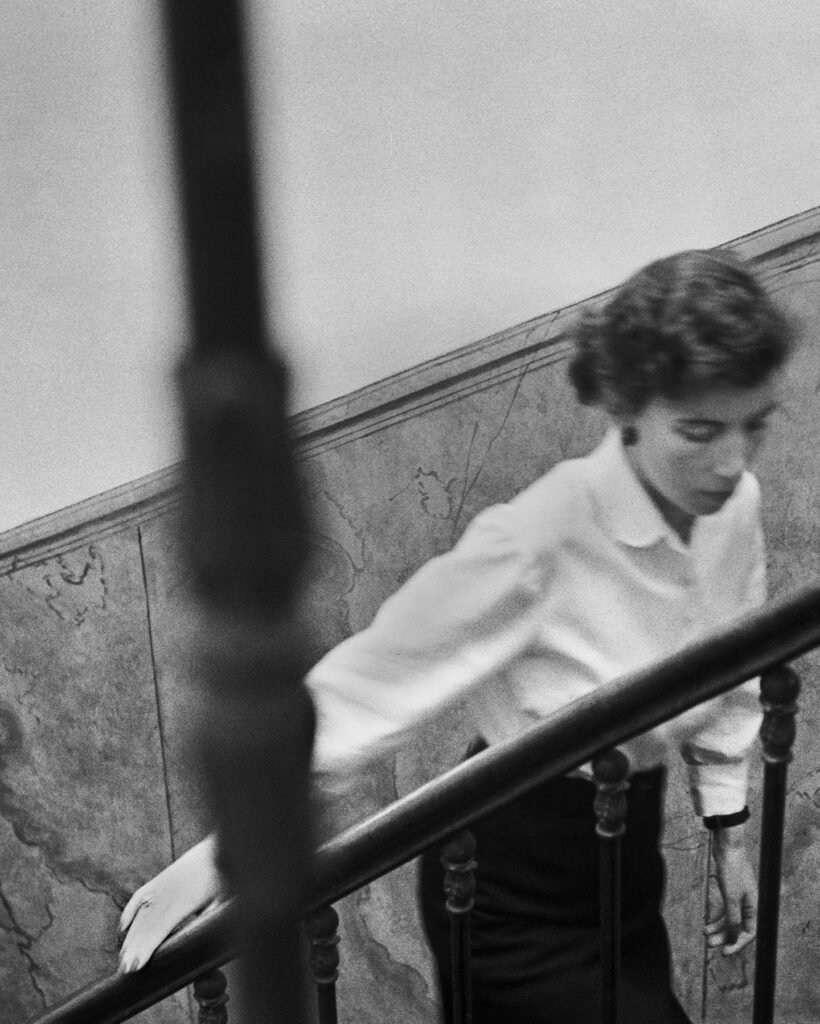
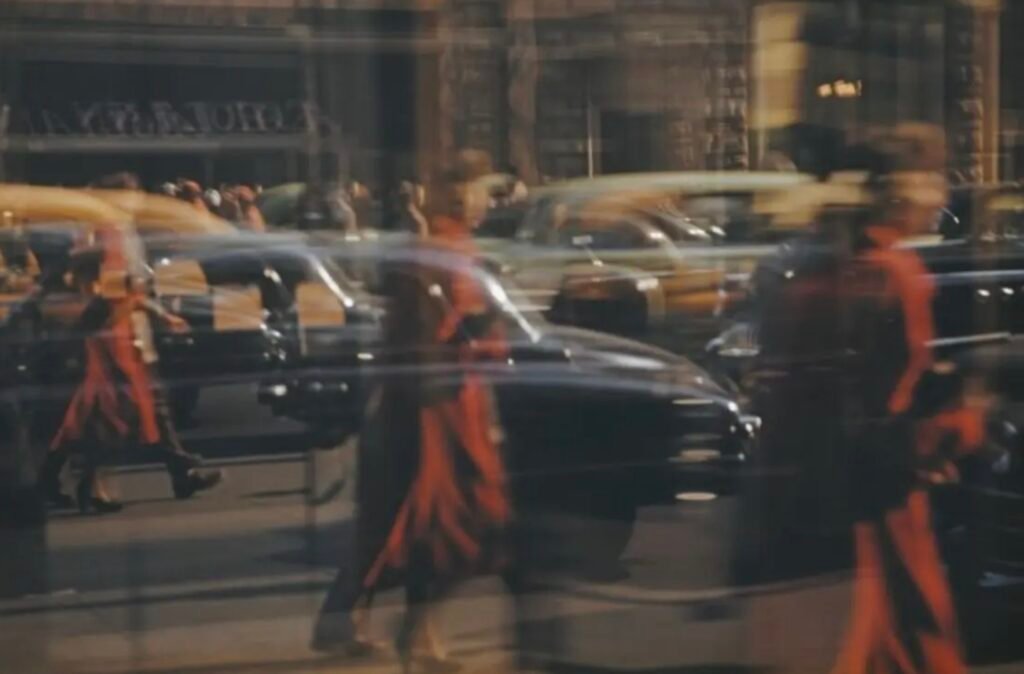
Photo by René Groebli
Rita on the Staircase (Paris, 1952) by Swiss photographer René Groebli depicts his wife Rita during their belated honeymoon in Paris. The photograph belongs to... Read More  Archival Photos.
Recent Articles
31 -
Marie Redonnet: the Future of the Novel?
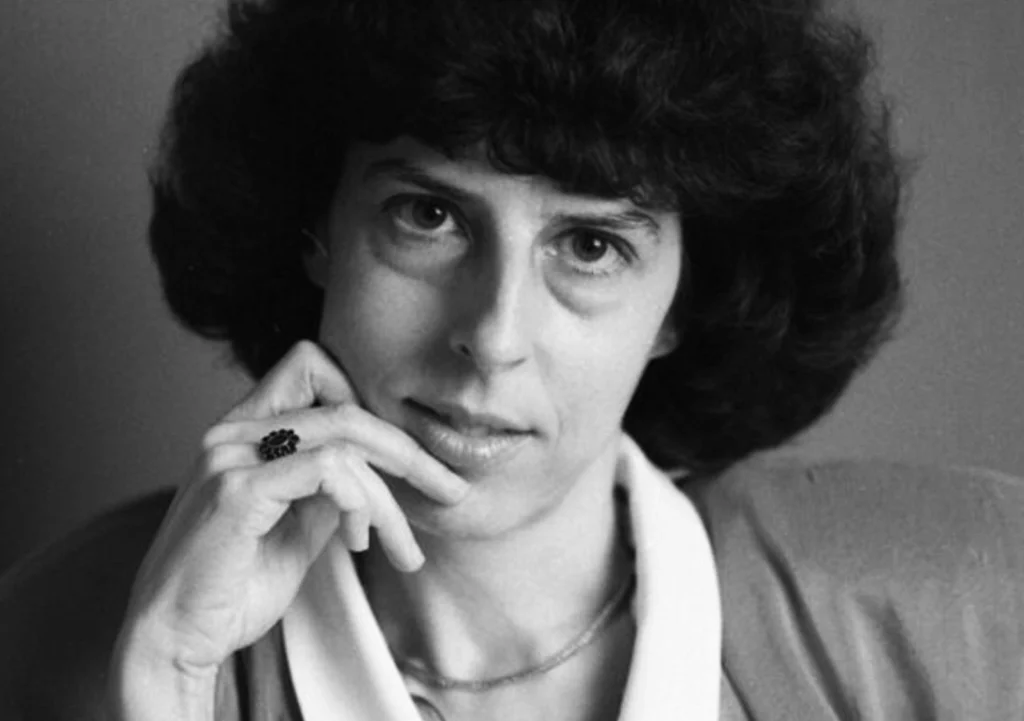
Photo by Jacques Sassier for Gallimard
Marie Redonnet’s spare, compact novels offer a way back into reading, and a way to reconsider the novel’s future in an age of distraction.  Marguerite de Ponty. Read More
9 -
Fashion, and New York, In Quiet Resurgence
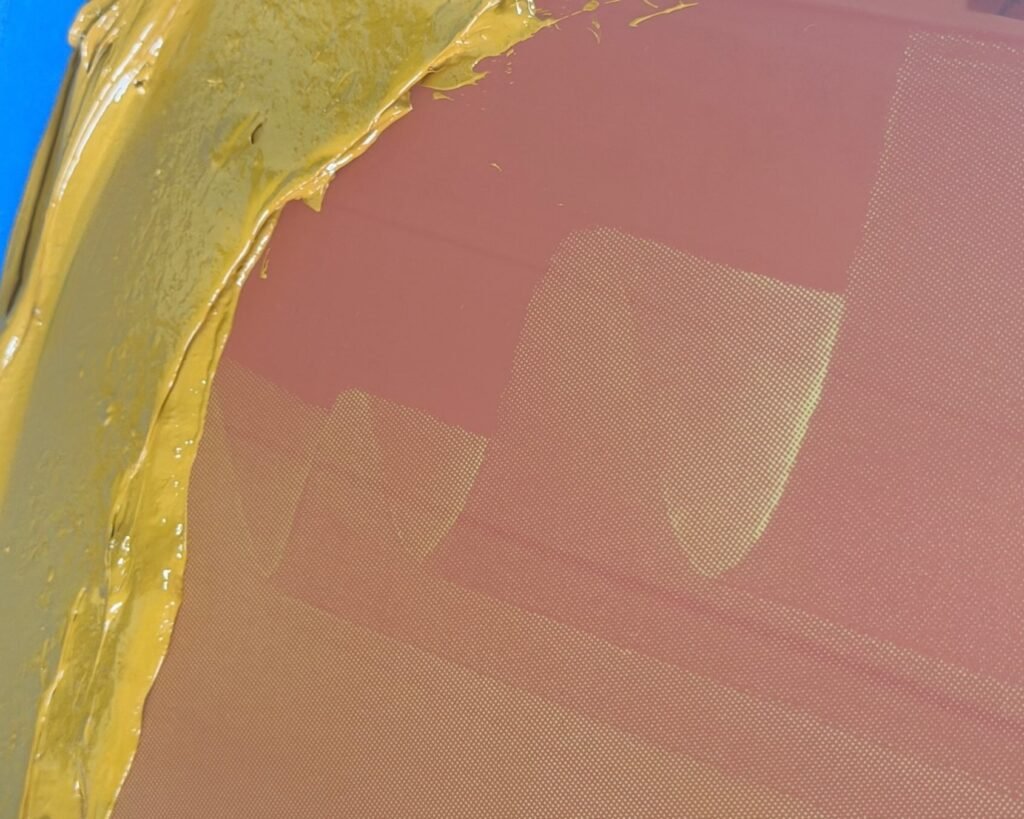
Emily Dawn Long. SS27, Clue 01.
New York Fashion Week returns today amid renewed momentum in American fashion and New York retail.  Cici Thompson. Read More
25 -
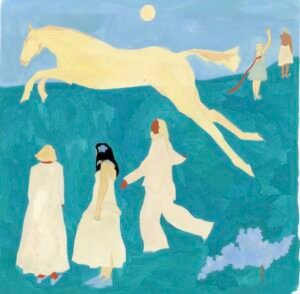
Profile: Leslie Travers
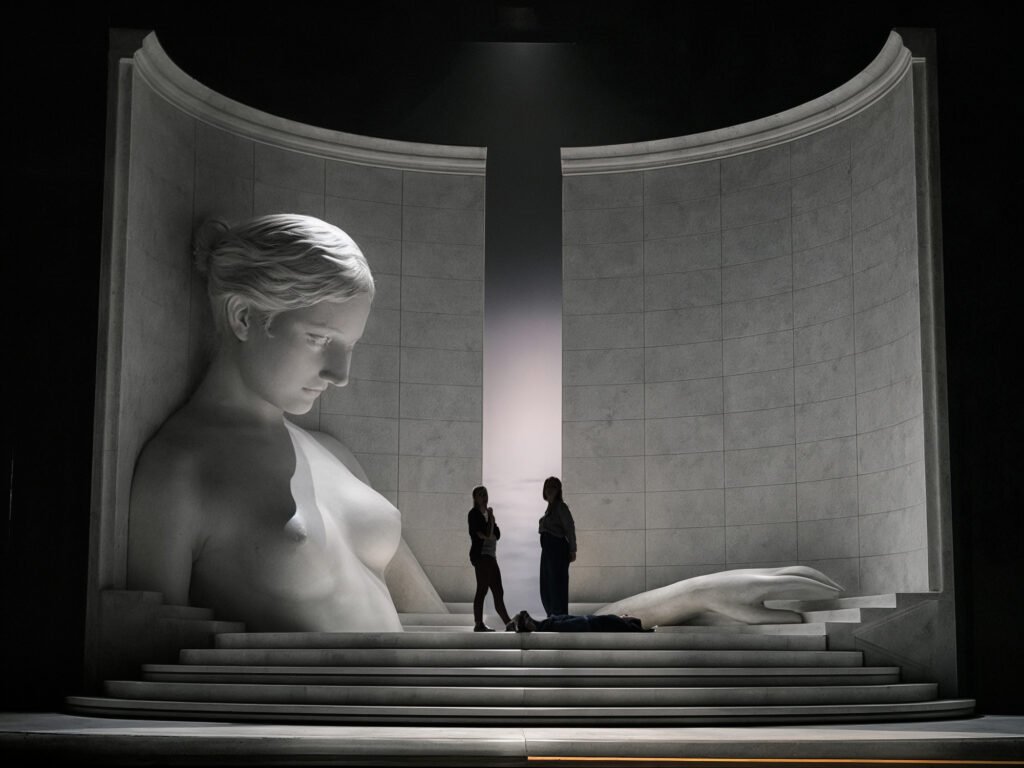
Leslie Travers’ set design for Francesca da Rimini at Teatro alla Scala, winner of the 2019 Franco Abbiati Award for Best Set Design.
Award-winning stage designer Leslie Travers on instinct, cultural exchange, letting go of ideas, and why design is ultimately “emotional architecture.”  Madina Tulakova
 Leslie Travers. Read More
1 -
Profile: Adrianne Rubenstein
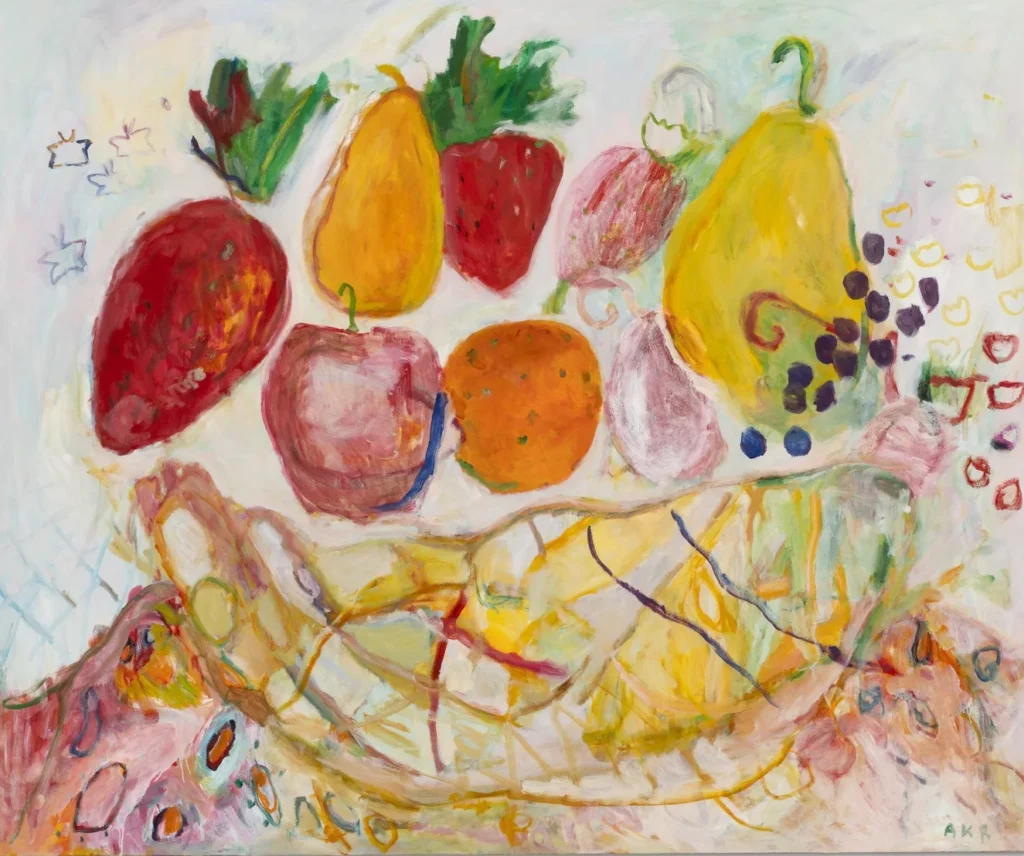
Floating Fruit, 2026, oil on canvas, 60 × 72”
Painter Adrianne Rubenstein on humor, Canadian landscapes, and self-discovery.  John White
 Adrianne Rubenstein. Read More

5 -
The Non-Tourist’s Guide to Florence, with Filippo Fargna and Kim Jansch
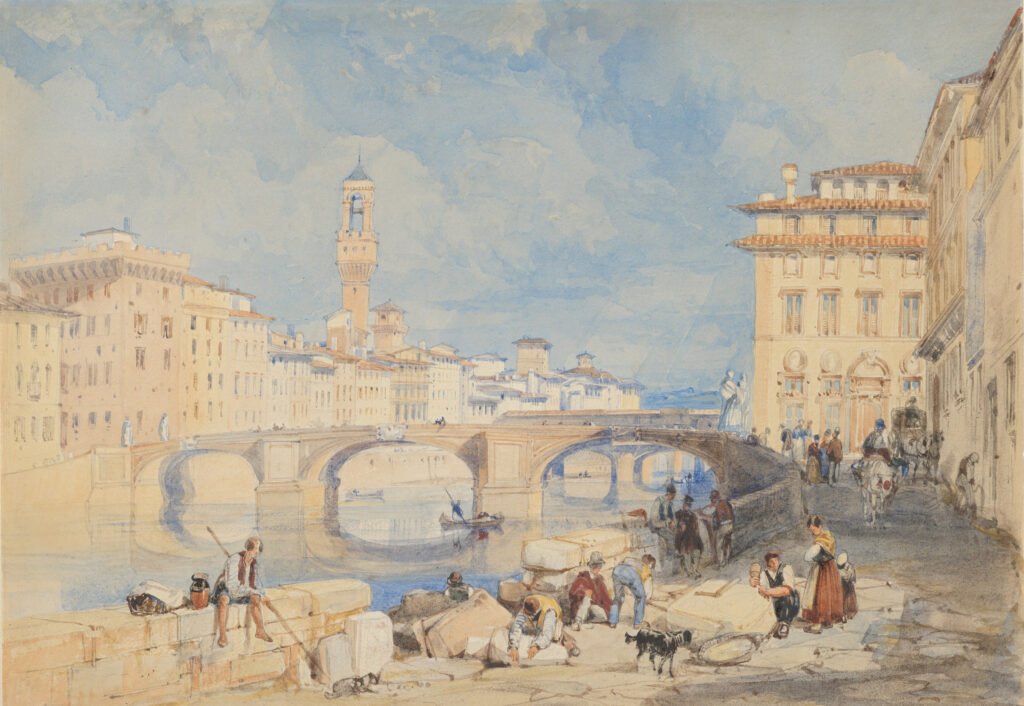
James Duffield Harding, Ponte Santa Trinità, Florence, before 1832. Watercolor. The Metropolitan Museum of Art. Public domain.
A guide to Florence through Casa G. Hotel Firenze, local artisans, old institutions, and the city’s quieter forms of belonging. Madina Tulakova  Kim Jansch
 Filippo Montani Fargna. Read More
 Karl Green
25 -
Willem Dafoe Seeks the Amateur Spirit, via the Old Tale, as Artistic Director of La Biennale di Venezia
 Pina Lomb
22 -
Bourdelle, Without the Museum Machine
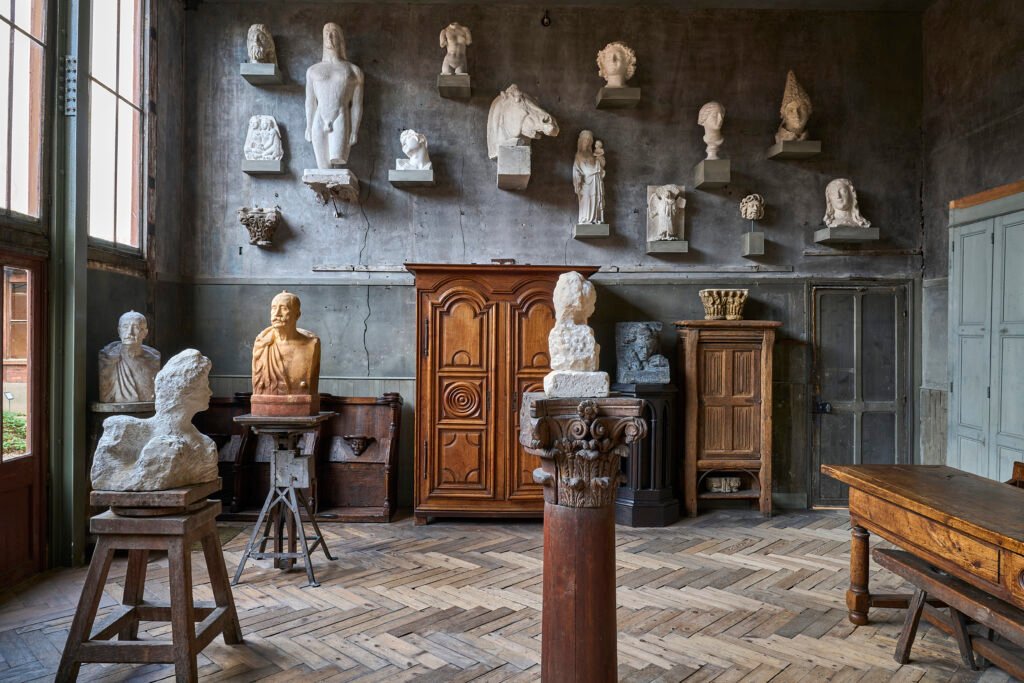
Bourdelle's Studio. Musée Bourdelle, Paris Musées. Photos by Pierre Antoine
A conversation with Ophélie Ferlier Bouat on intimacy, monumental sculpture, and the lasting spirit of Bourdelle in Paris. Madina Tulakova 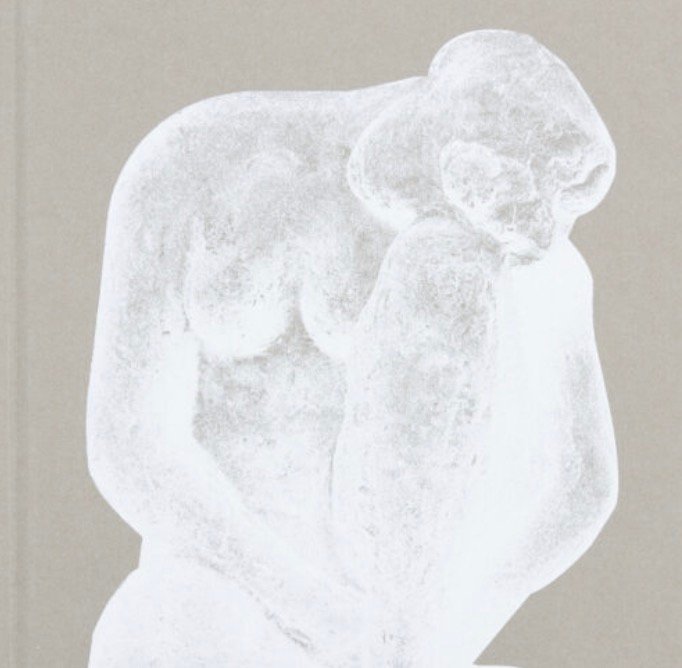 Ophélie Ferlier-Bouat. Read More
29 -
Classical Art: Raphael Presented In Toto at Met
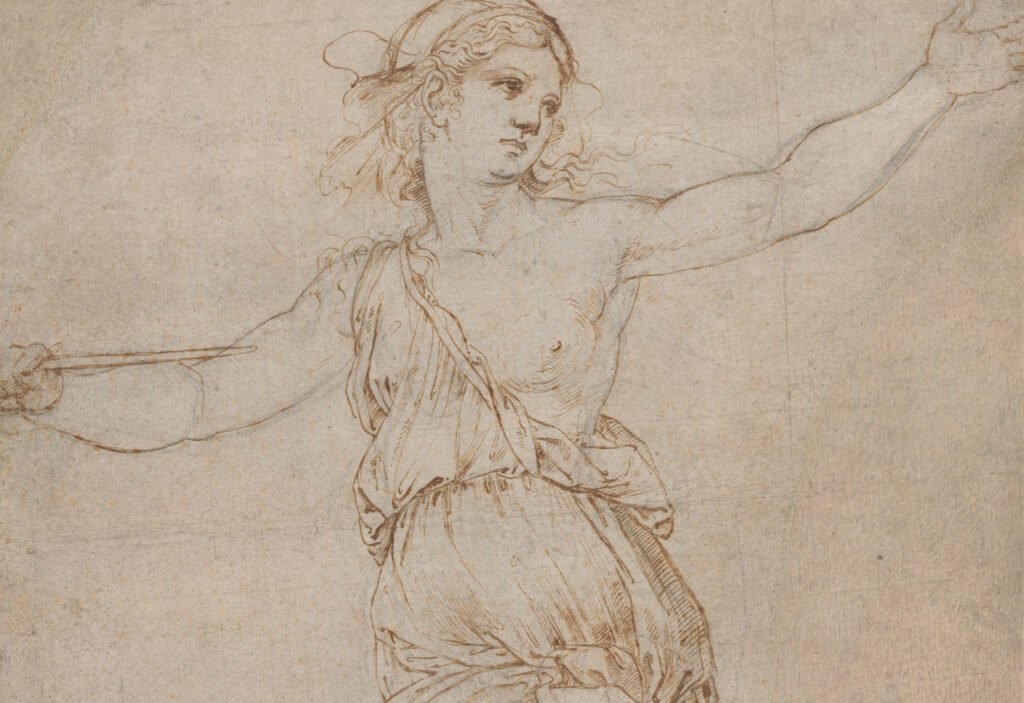
Detail of Raphael’s Lucretia, a monumental drawing from his early Roman period, 1508–10. Currently on view at The Met Fifth Avenue in Gallery 899
A preview of the most comprehensive U.S. exhibition ever dedicated to Raphael, open at the Met 29 March to 28 June. Marguerite de Ponty. Read More
 Chris Woodford
 Kamel Mennour
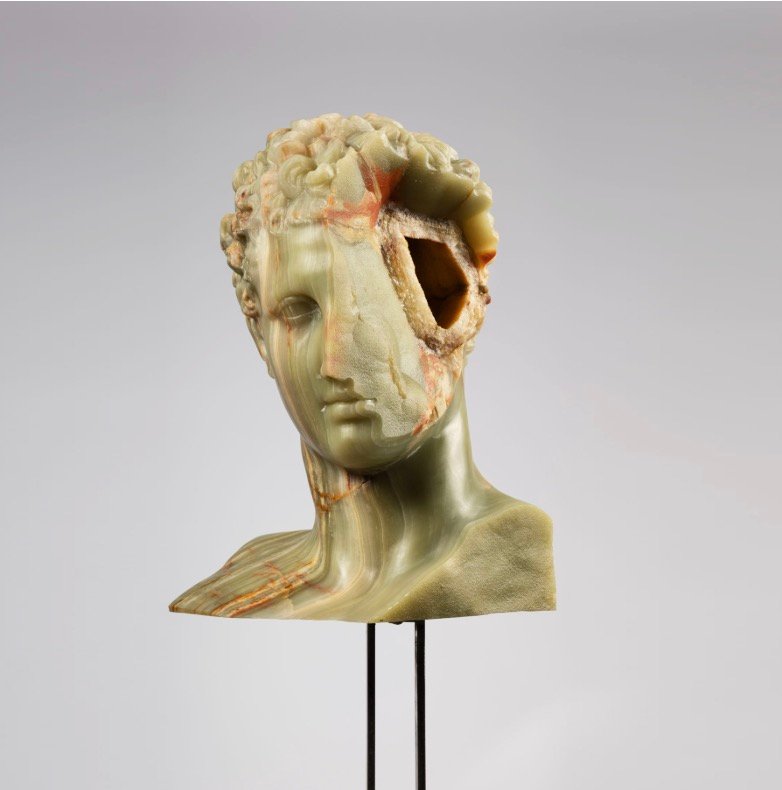 Massimiliano Pelletti
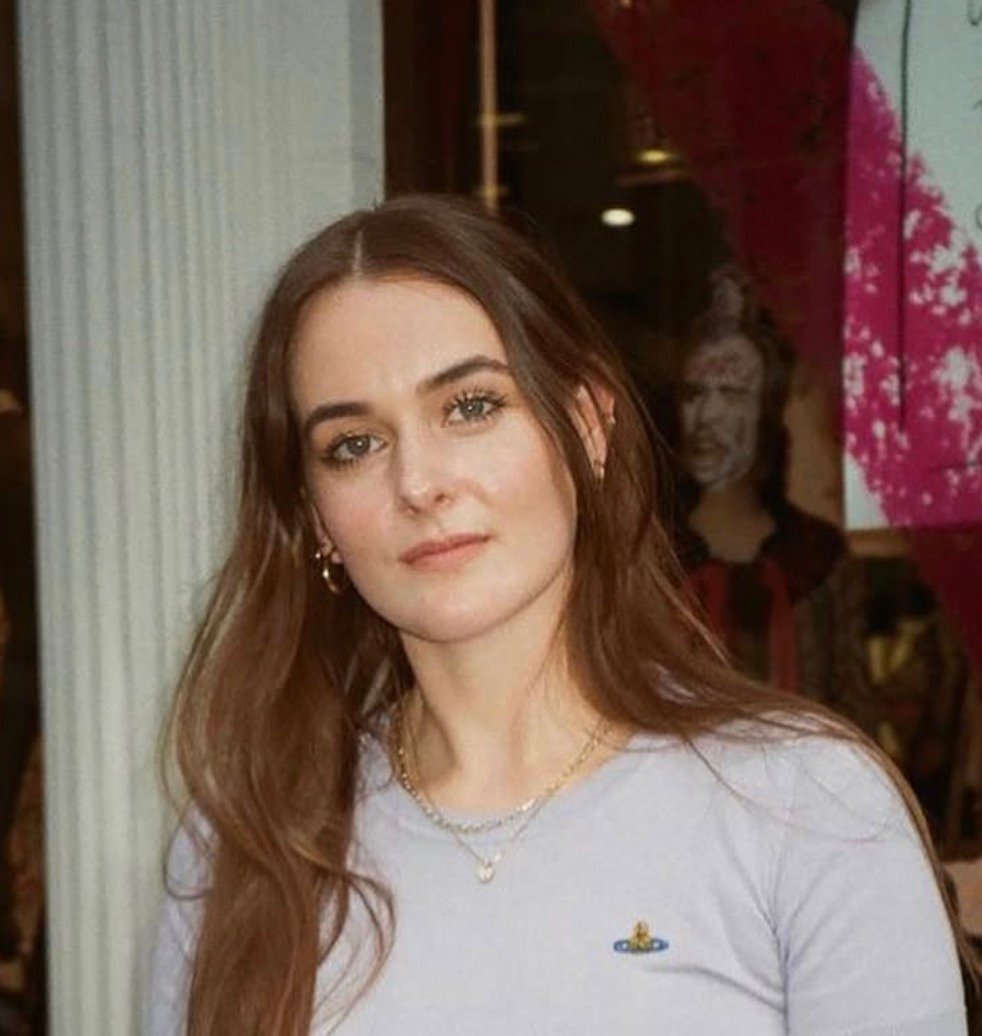 Cecilia Knapp
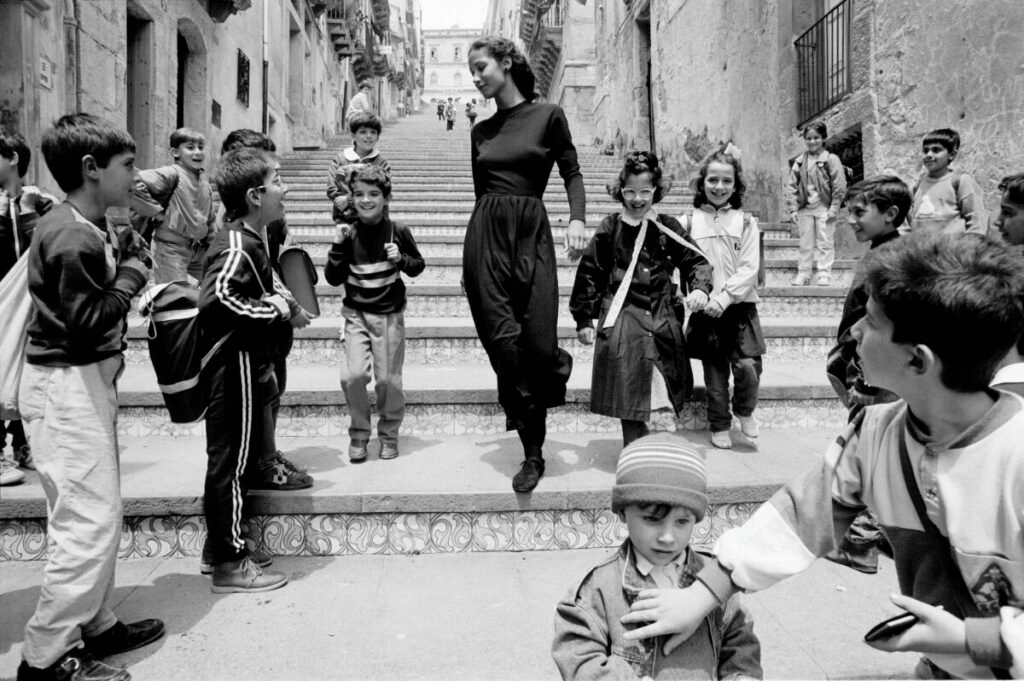
 Simona Alberi
 Richard Aubern
 Bob Loblaw
 Kostas Murkudis
 Rupert Taylor
 Editors
 Franco Maria Ricci

 Alexandra Kleeman
 Melissa Mesku
 Chloe Caldwell