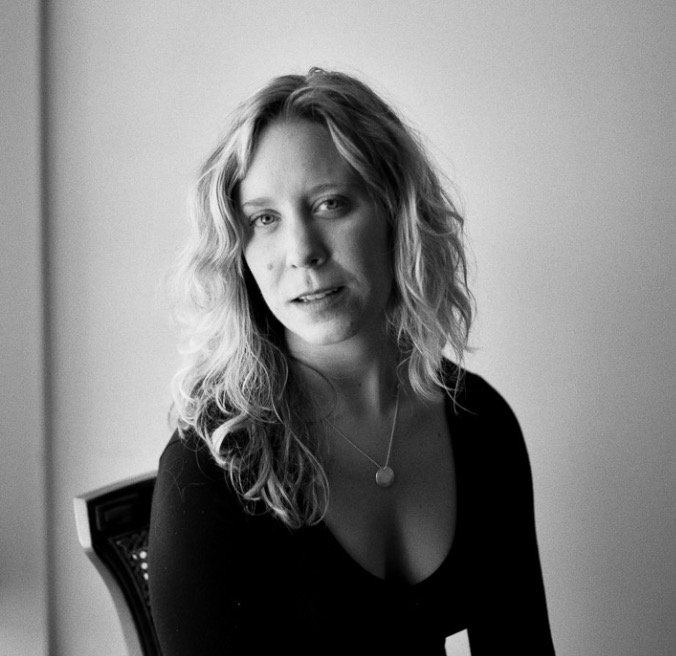
We are proud to present what was our exclusive excerpt from Cecilia Knapp’s novel LACK, which was released 21 May 2026 with Harper Collins’ literary imprint, The Borough Press.
—
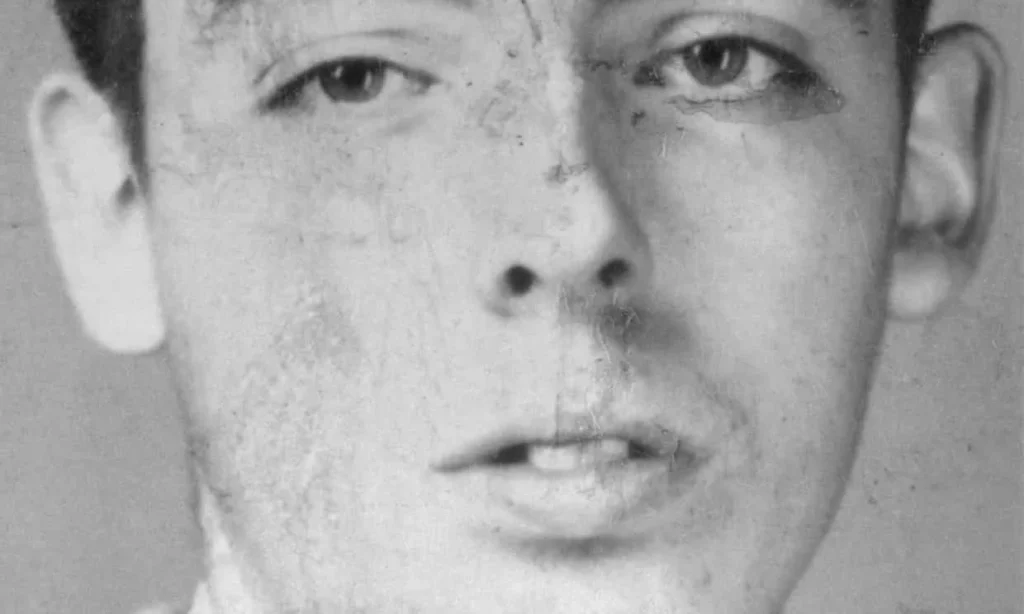
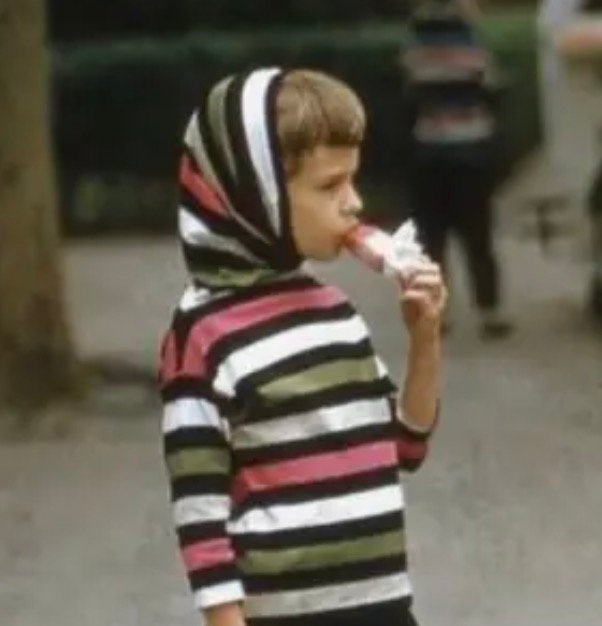
I have flicked through the stiff pages of old photo albums on the top shelf in his flat. I’ve seen the photos of him younger and fatter in the face. Obscene white shorts, sideburns and long hair, leaning against a motorbike in some dry landscape, cypress trees and a cig hanging out of the corner of his mouth. He chose those shorts. He appraised them on a hanger, tried them on. He grew his hair like that, gathered it into a small ponytail at the back. He had his tastes, his habits. Everyone’s father was once a cool photo. But who was he? I cast around for him, young, and I can’t find him real. Only a blurred character in a pair of flared jeans. Perhaps it went like this:
His youth happened; a cricket ball rolling down a grassy hill. The brick alleys behind my grandmother’s house, the unlocked back doors, a constant draft. His rigid father, hollowed out from war, soaping the muck from his hands at six pm every day before mutely sitting down to a plate of meat and vegetables passed through the hatch from the kitchen by his mother who cored apples for Sunday tarts and wore a house coat and doted on her sons. And then the orange sun of young adulthood, the first loud patterned shirt tight over his pigeon chest and him, feeling attractive but also nervous to walk it downstairs in front of his father. Driving fast through the town with no seatbelt to a party in a house with a dark brown carpet. The sound of a needle on a record when the song has run out and the voices bleed into the space. Girls, girls, girls. He wants them all. He can have them too, handsome as he is. Cigarette smoke, everywhere and always, in cinemas and greasy spoons and train carriages. Football on a waterlogged pitch torn with divots, goal posts with no nets. Loving the attention of a goal, the arms of a team around him, good lad, the pints of ale in the pub with the boys, deconstructing each minute of the game. Soaking in a shallow bath, letting the warmth back into his fingers. Here’s his father again, banging on the door with the newspaper. Here’s his mother, working the stains from his football jersey and staying quiet. He turns the radio up louder and it’s the music that calms him, Bach. Puccini. Verdi. On his eighteenth birthday, he drives to a mountain and climbs it alone. He eats a cheese sandwich at the top and drinks briefly from a hipflask. He drives home with the cold air blowing through the car. Mozart. Handel. Vivaldi. He feels both far away from and impossibly close to the music. He wants to make singing his life but he does not know how. His father tells him it’s a dumb, indulgent dream, the conservatoire, the University. So instead it’s building sites come Autumn, the community choir in the evenings where he learns the baritone for carols with boys who went to the private school where he only went to the Grammar, then it’s travelling in the summer, alone and free from the eyes of his father, at last in his tight white shorts, hitchhiking through the sepia light of the seventies, where everything seemed more possible.
There’re more, of course there is. But let’s skip to when his children came, what else would be next? We came easily and without planning. We were born while he waited in the corridor, too squeamish to be in the room. Then we were raised and fed mashed banana by my mother, who he married in the brown town hall and drove away with afterwards, tin cans trailing from his Vauxhall Astra.
When I’ve asked him, he can’t recall my mum’s labour, how long it took, her first words when I emerged with a pop and a gush and they saw I was a girl. He doesn’t ever talk about my mother. Peculiar to think they once met as strangers, crossed a threshold one night from conversation to something full of suggestion, heavy as a ripe fig. Strange to think of them moving closer together on the sofa, the park bench, the carpeted bus seat, wherever they were. Strange to think they shared a whole life before we were born; mornings bleeding into afternoons with the curtains blocking out the sun, hungover and thirsty and just the two of them. I imagine them moving house, sitting beside a dusty plant in the high street estate agents, rowing about how to angle an armchair down a narrow staircase, moving again, and again, all their gubbins boxed up over and over, flat to flat until finally he bought the modest house on the cul-de-sac, as you could do back then, even without the means of email chains and property websites. All those decisions and admin that stack to form a life and that are symptoms of love. Because there must have been love, right? At one point. Something strong enough to lead to a marriage, to children? But I can’t get a whiff of it. I can’t imagine him compelled towards the phone to call her, to insist upon another date. I can’t imagine them packing up the car for their first holiday together. Was it a B&B in the Peak District? Did they take a ferry to France? Once, he recounted a story about her getting badly seasick and it activated something in me, a circuit suddenly connected.
Where were you going? I said.
Oh some holiday or another.
Was it funny sick? Did she find it funny? Or was it awful?
Do you know, I can’t remember
He paused.
I can just see her now. Her head hanging over the side
And that was all.
Was his head then, like mine is now? Full of choices? Full of conception tips from the internet. Hold your legs up the wall after sex to help the sperm on its way. I can’t believe he has ever had any doubts, driving cheerily forward in the way he always has. Each crossroad he meets, he makes his turn. It’s not as puerile for him as right or wrong. It is simply his choice. He does not think any more about it. He does not entertain regret, sadness. Difficult questions about the ethics of his past decisions? No, he simply won’t go there. If I ask him about his childhood, about what happened with Helen, he’s not unkind or angry. I’ve never heard him raise his voice. But he has his own systems of diversions. A diligent sheepdog. He’ll leave the room, remember an errand, pick up the newspaper. He won’t watch a film that might churn his insides up. He prefers the westerns, the adventure, the knife fights, the outlaws, the horses kicking up dust on the yellow plains.
When his mother died, alone, hanging out washing in her paved back garden, how she collapsed like a dropped magician’s blanket, he didn’t tell me for three days. All he said, when he eventually told me;
She was too sweet to die like that.

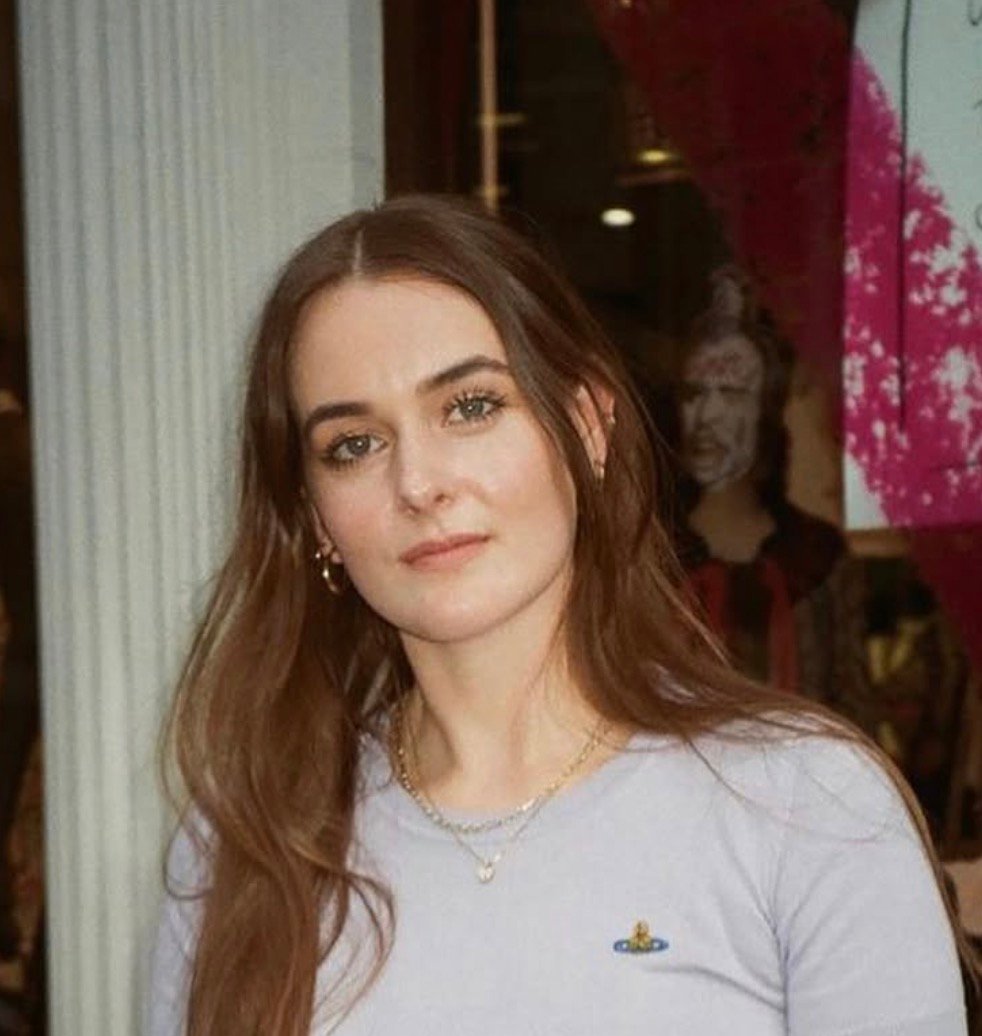 Cecilia Knapp
 Bob Loblaw
 Pina Lomb
 John White
 Richard Aubern
 Rupert Taylor
 Alexandra Kleeman
 Melissa Mesku
 Chloe Caldwell
 Fashion Desk