 Marguerite de Ponty
ROME—Francesco Messina belonged to a moment when sculpture carried unique institutional and public weight. His figures moved between Church, state, theater, literature, and civic space: popes, horses, dancers, saints, and bodies made for institutions that expected art to stand in public.
Messina was born in 1900 in Linguaglossa, a town on the slopes of Mount Etna. He moved to Milan at a young age and quickly rose through Italy’s artistic institutions, becoming director of the Brera Academy of Fine Arts in 1934. Throughout his career, he completed numerous public commissions, including the Monument to Pope Pius XII in St. Peter’s Basilica and the well-known bronze horse installed in front of RAI’s Rome headquarters in 1966.
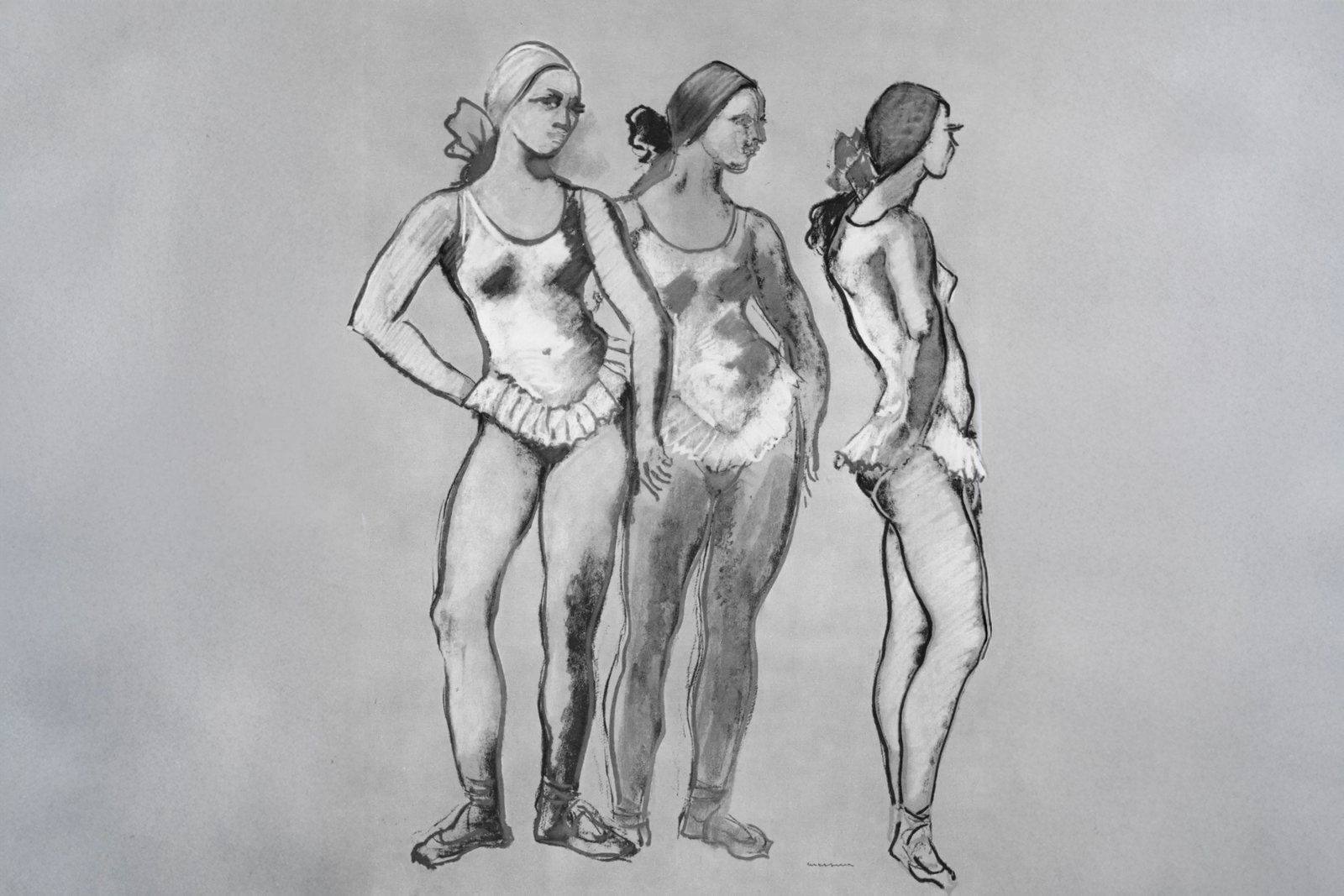
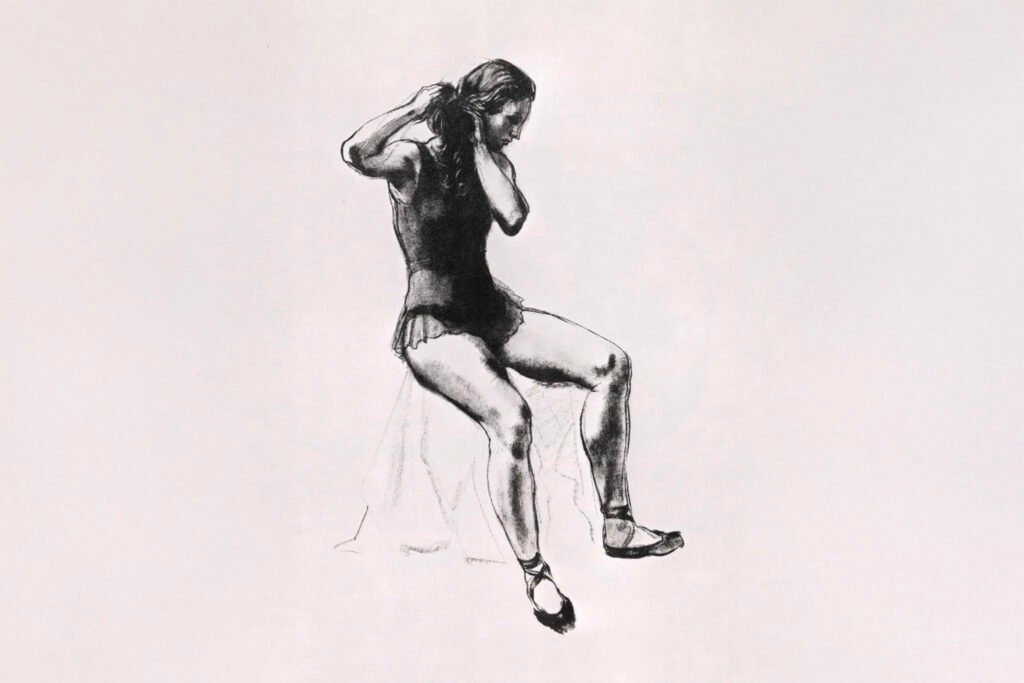
Less discussed, but no less central to his practice, was his work as an illustrator. Messina produced a stream of drawings and graphic works, some of which were reproduced in books and periodicals, while others remained in his studio. He illustrated classical texts, sacred subjects, and poems, often in pencil or ink. These illustrations were not preparatory sketches but stand-alone works.
One example is his suite of illustrations for Dante’s Divine Comedy, produced in the 1960s. His artistic sensibilities are found in his depictions of horses, bathers, and saints: rough impressions still anchored by deep anatomical understanding.
Unlike many of his contemporaries, Messina resisted gallery circuits and avoided aligning himself with ideological movements. In interviews, he spoke of sculpture in mechanical and bodily terms. “The material contains its own law,” he said in a 1973 televised conversation. “I work until the form is self-evident. That doesn’t require a manifesto.”
Commercially, Messina’s career occupied a hybrid space: he accepted commissions from the Church and state, but also contributed portraits to cultural publications and small editions of illustrated books. His graphic works were rarely treated as separate from his sculpture. For him, drawing was a way to think through material, often faster and more freely than plaster or bronze allowed. Still, many of the works stand alone, collected privately or occasionally shown in print-focused exhibitions.
 Madina Tulakova
 Leslie Travers
 Pina Lomb
 Art History