The following is our full interview with Massimiliano Pelletti from Issue 1.
—
MADINA TULAKOVA: Your work embraces the natural imperfections of stone. Flaws, cracks, and raw textures become integral to the final piece. How do you approach these elements as part of your artistic language?
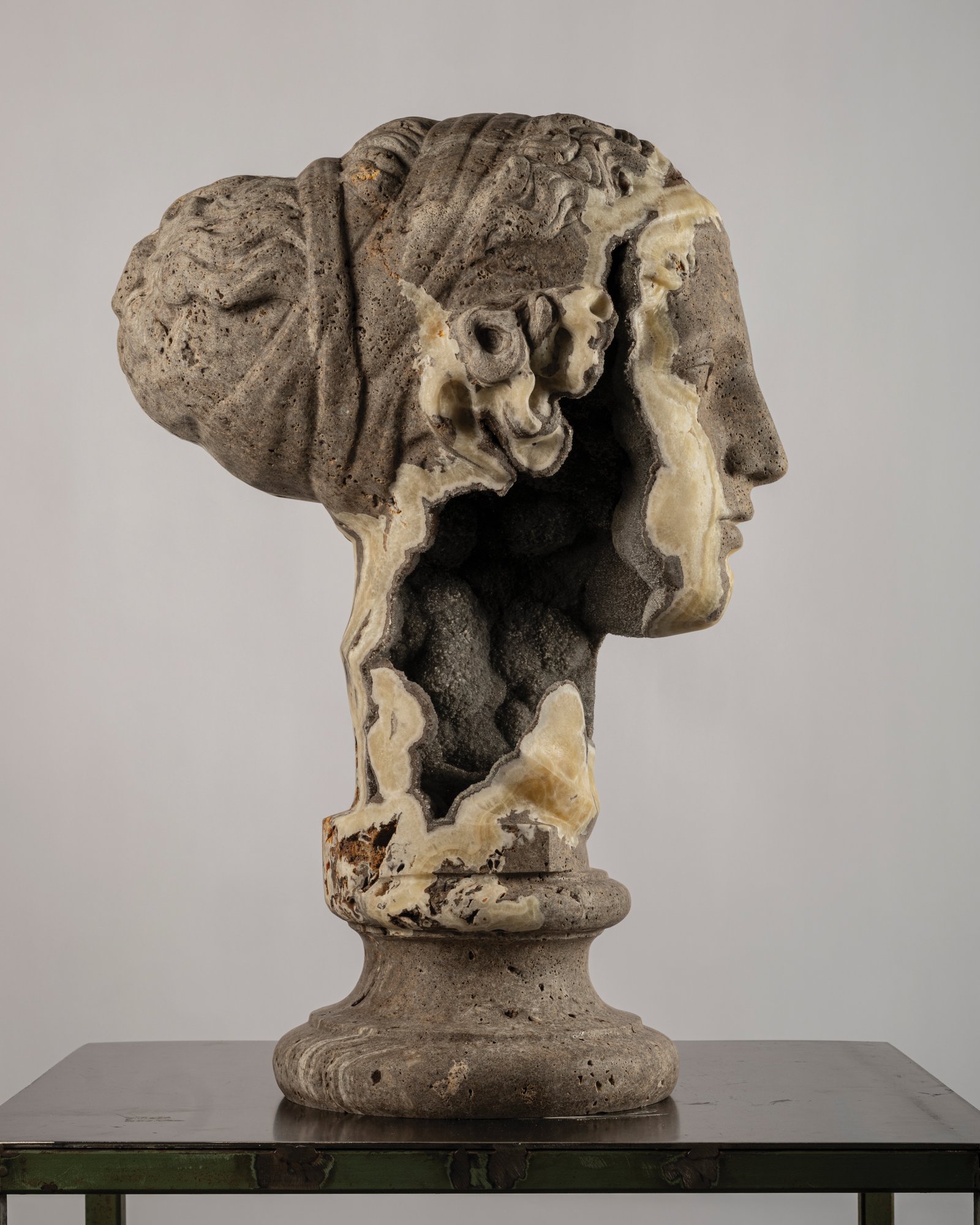
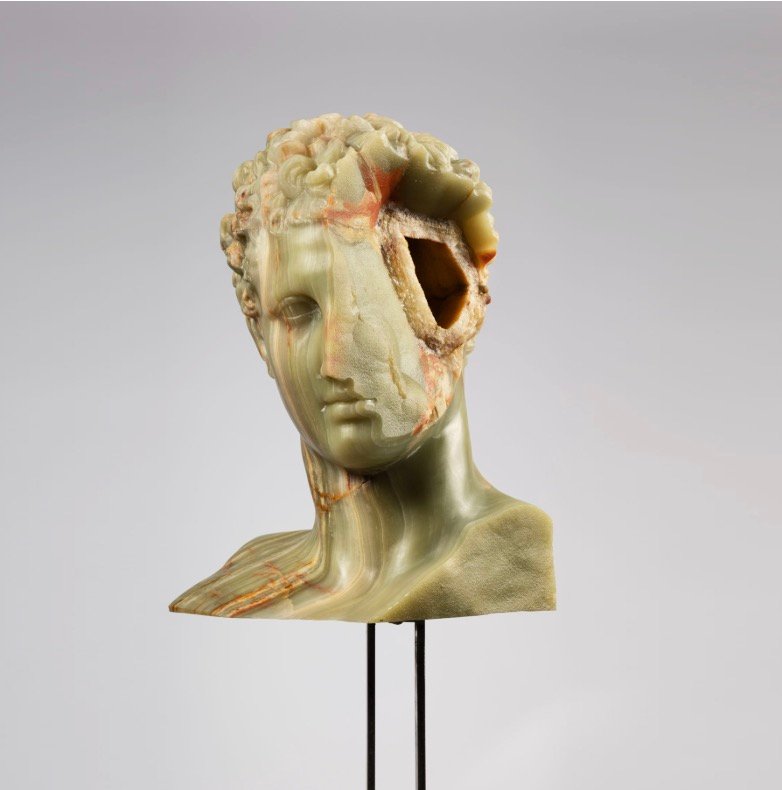
MASSIMILIANO PELLETTI: What appear to be imperfections in the material are stimulating elements for me because it becomes a kind of challenge in being able to transform them into virtues in the final work. I transform adversities into opportunities; More than that, these cavities often contain crystals which, in my opinion, offer not an absence, but a presence.
I like to bring my passions into the work, and one of them is definitely geology. I really love the geological history of matter—there are already stories within it—and that is why I choose onyx, sodalite or fossil stones. And I’m always looking for materials...
Member Access
Free
The rest of this article is for members. Membership is free.
Early riser. Mild out right now in Manhattan. Today's high will be 77ºF. Today: some passing clouds. Tomorrow: 77ºF, same. The editorial desk is closed through September 1st for Ferragosto. US Open Fan Week begins today in Queens. The Edinburgh Fringe and Salzburg Festival continue. Read More
Paris gallery founder Kamel Mennour on artists, archives, and the work of building a contemporary program across generations. Madina TulakovaKamel Mennour. Read More
AADIEU ADIEU APA. ...Spoiler alert...At the end of Eugène Ionesco’s absurdist play The Chairs, the audience waits for a speaker to finally reveal a profound... Read MoreNotes Quotes.
 Madina Tulakova
 Massimiliano Pelletti
 John White
 Adrianne Rubenstein
 Kim Jansch
 Filippo Montani Fargna
 Karl Green
 Ophélie Ferlier-Bouat
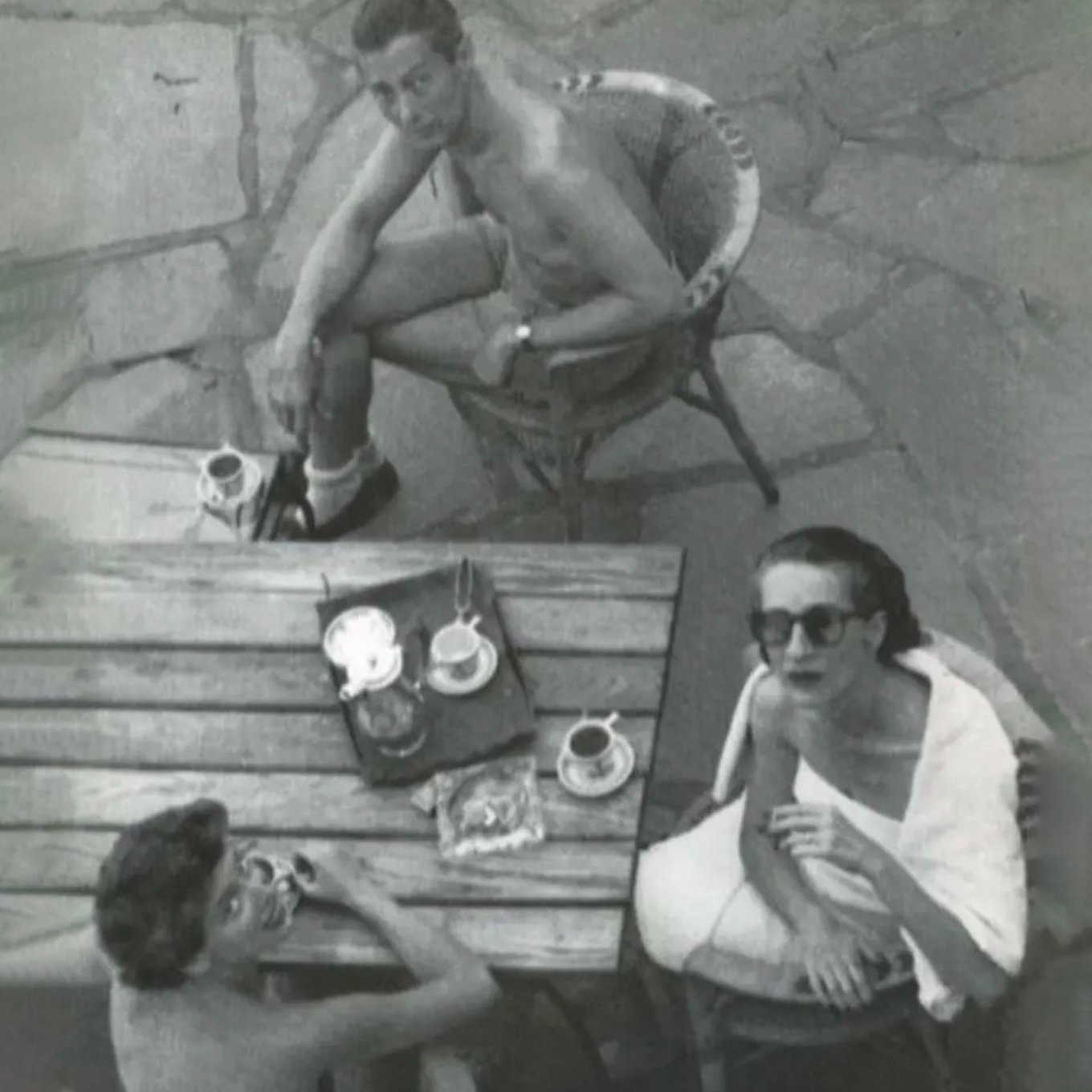 Marguerite de Ponty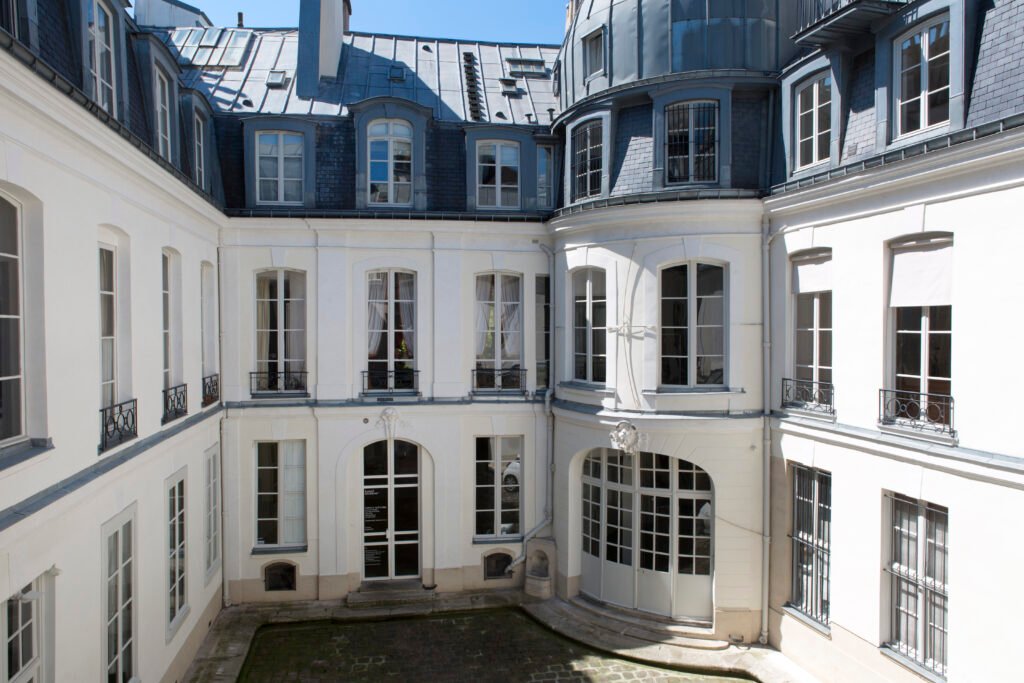
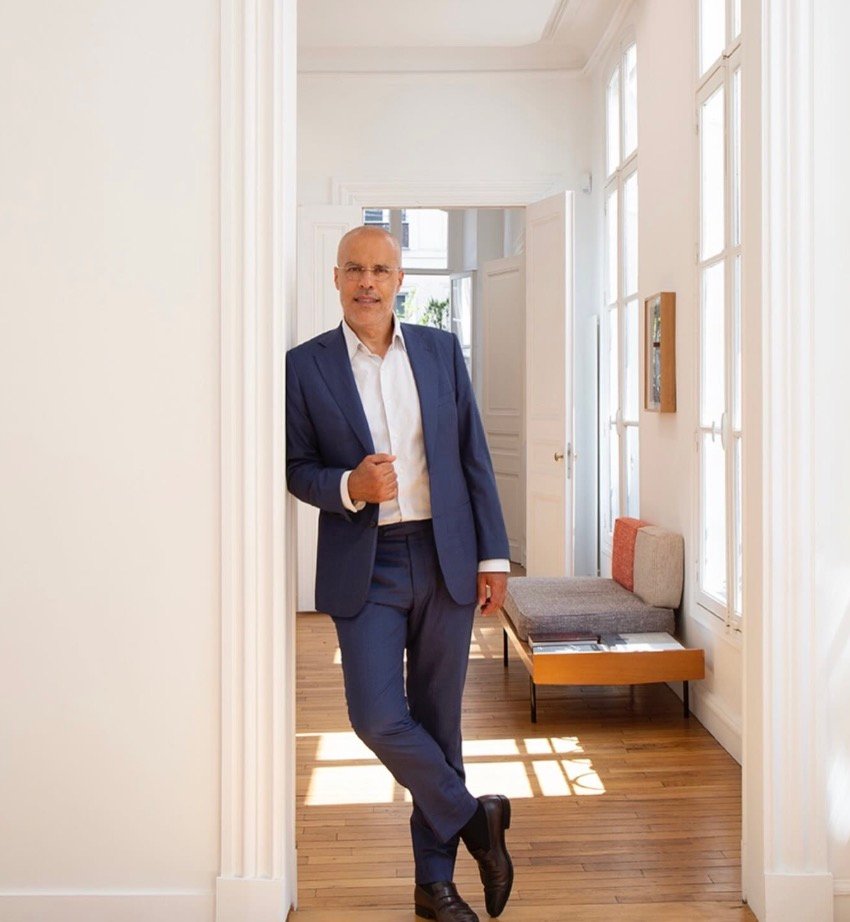 Kamel Mennour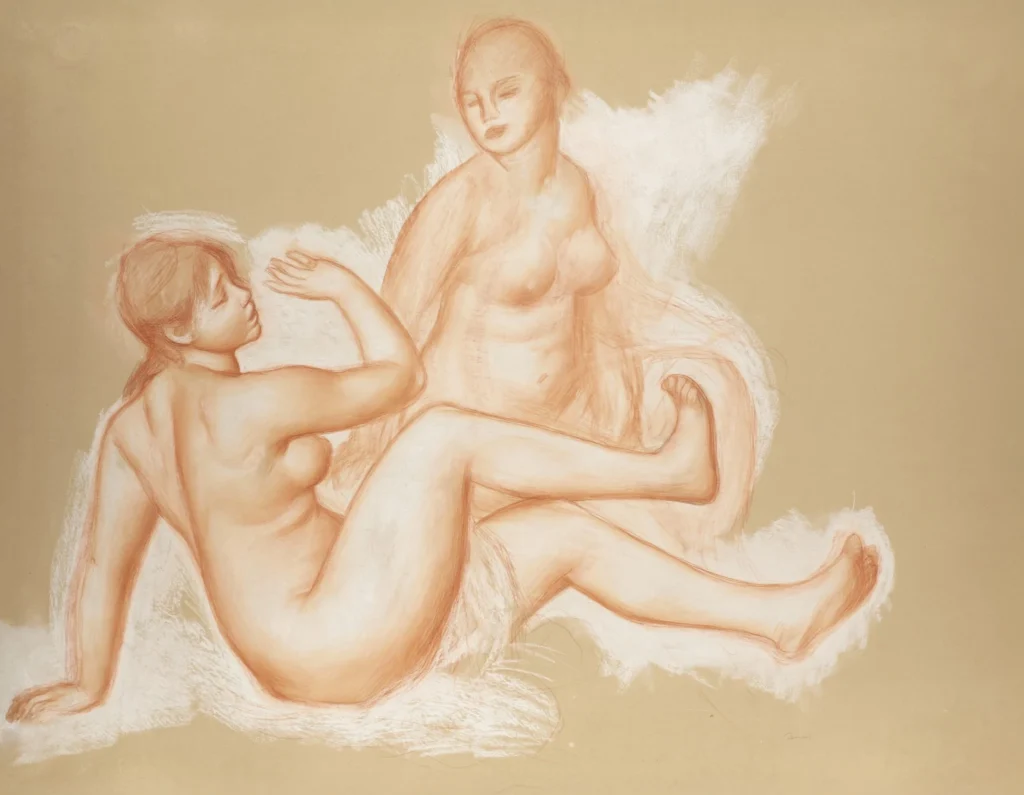
 Richard Aubern
 Cici Thompson
 Franco Maria Ricci
 Notes Quotes