 John White
From the turnshoe to the buskin, from the wide derby and closed-throat oxford to the plimsoll and the “sneaker,” the shoe has proved a difficult template to truly reinvent in a practical way.
After mass industrialization, rubber, and endless experimentation, the shoe has reemerged, heavily pared down: what is the primordial form of the shoe?
English makers have long been known for high-quality footwear, especially in the Northamptonshire cluster. Chris Woodford is a fifth-generation shoemaker from Northampton, a historic capital of shoemaking since at least the 1200s.
History of the Shoe
JOHN WHITE: Northampton is important for shoes, right?
CHRIS WOODFORD: Yeah. Northampton is central to shoe-making. But I guess you could say our family business started in London in 1908. My great-great-grandfather had his own stores for bespoke, welted, traditional shoes. I say stores, but in those days it was really more like a shop at the end of a road that catered to a local area. Then it passed to his son, then to his son, my grandfather. My grandfather ended up in Dunkirk during the war and was not able to continue the business.
It was picked up again when my father bought this little unit here in the early ’70s, and it just about survived. He was like, crikey, I’ve got a few machinists, let’s make whatever is unique and minimal, on a small scale. He made Formula One boots, boxing boots, lawn bowls shoes [flat-soled shoes made for playing the old lawn game “bowls”].
JW: And ballet.
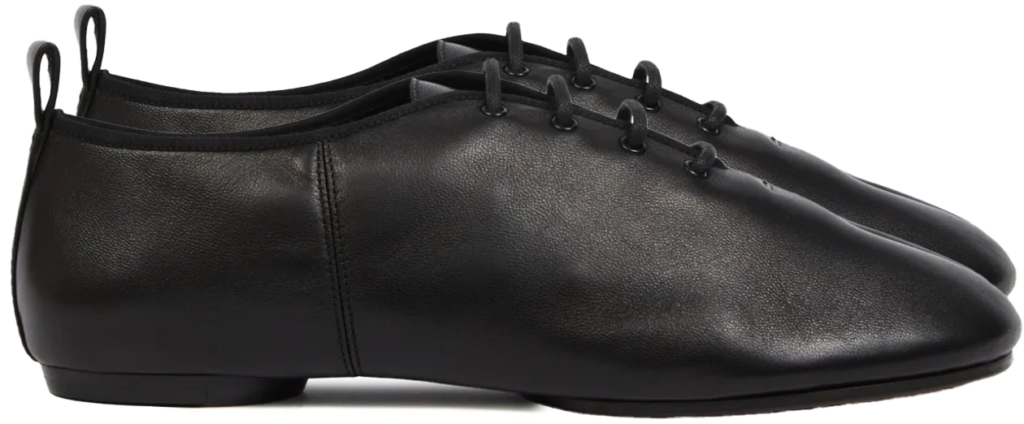
CW: And ballet, yeah, ballet shoes, dance shoes, jazz shoes.
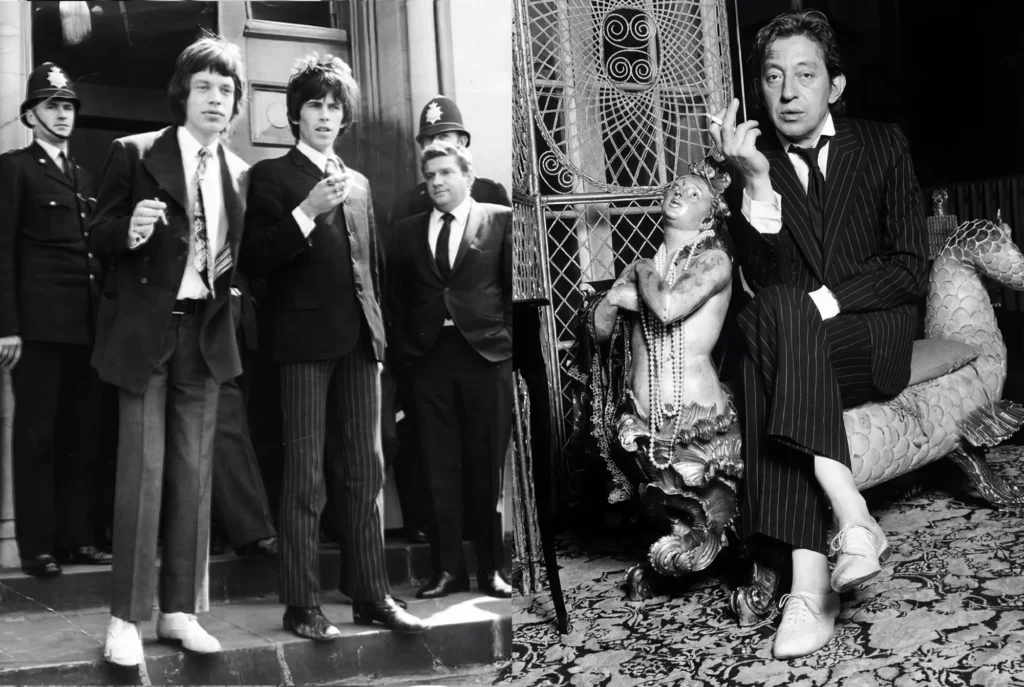
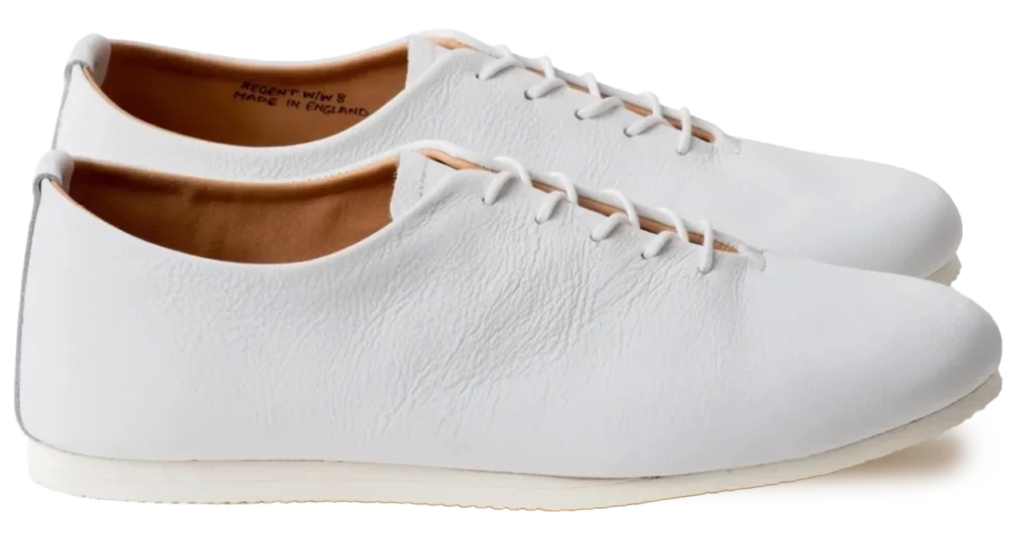
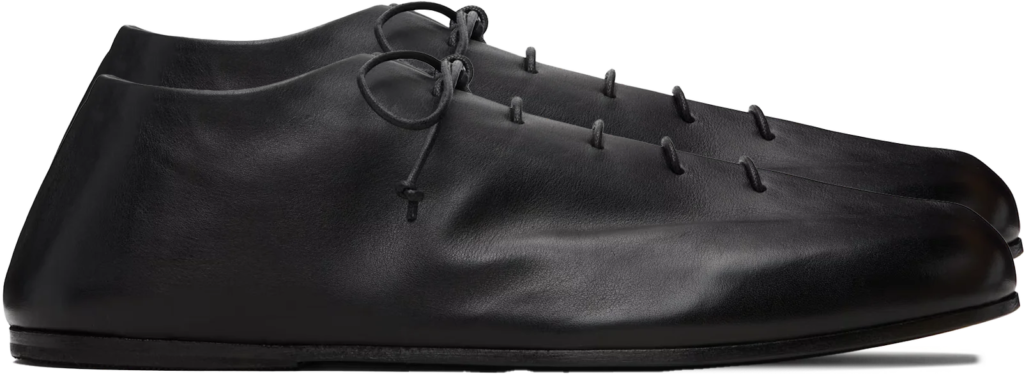
CW: I wanted to be involved in the business, but with more control, so I trained in design, pattern-cutting, and bespoke shoemaking. After about a decade of designing for others, I began developing my own collection, starting with minimal whole cuts and jazz-shoe-inspired styles, which eventually caught the attention of a Japanese buyer.
I thought there was room for a Crown Northampton brand, so I contacted Buckingham Palace directly and had to submit a crown sketch for approval. They allowed it, with a few required changes. From there, I designed an initial collection for Japan, and that relationship continues to this day. That became the first stage of growth: designing specifically for the Japanese market while drawing more and more on Northampton’s shoemaking culture and workforce. I quite like Japanese style. So they saw the jazz shoe we were doing, and were like, that’s a nice, pared-back minimal design.
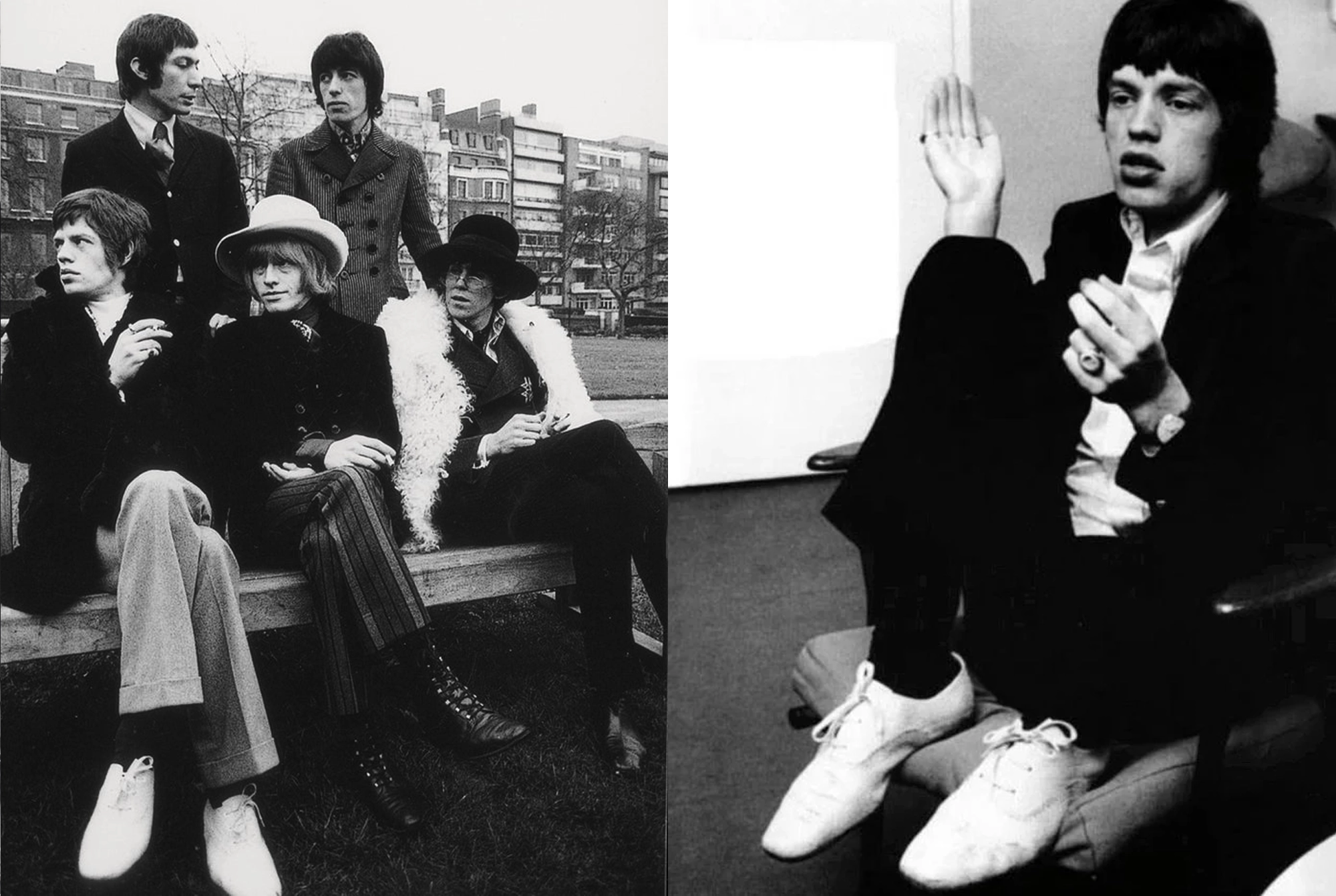
JW: What have you found, in researching your family’s shoemaking history, that shapes how you think about shoes today?
CW: I found out that my great-grandfather used to enter competitions in hand-lasting and hand-welting. The hardest thing to last and welt properly is a whole cut, because it is very difficult to pull a single piece of leather over the wooden last and remove every crease.
If someone has spent six months tanning cordovan, I feel like it should be shown in all its glory.
JW: Is the technology the same?
CW: The machining side is still very traditional. Some of our sewing machinists have been doing this for 40 or 50 years. And that part of the process is not very different from how my grandfather or great-grandfather would have known it. The part that has changed more is hand-welting, which we reintroduced last year.
What Is a Shoe?
JW: I was going to ask about your inspiration when it comes to making patterns, and where they come from. When you’re making your whole cuts, are you working from old patterns kept in books in an archive somewhere, from photographs, or from something else? And tell me about the jazz shoe.
CW: All of those things. It comes from my own history, but it also begins with a Japanese aesthetic: very minimal, and a very elegant way of showing off the material.
I go to Northampton Museum, which has an archive of 18,000 shoes spanning everything from ancient Egypt to Northampton’s own shoemaking history. When we design something, the process is quite practical. There are really only six or seven core types of shoe.
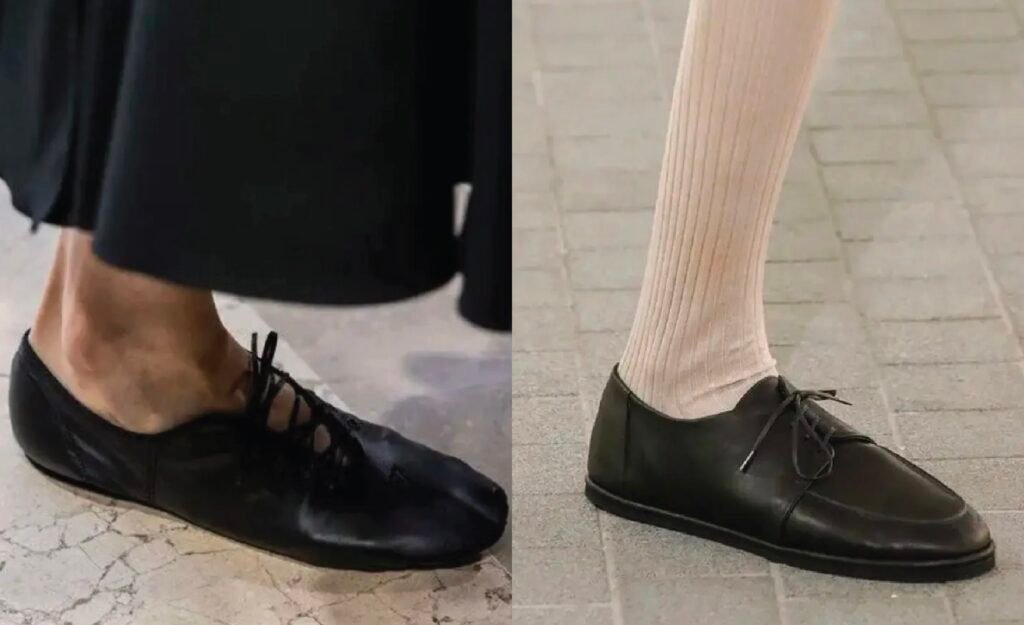
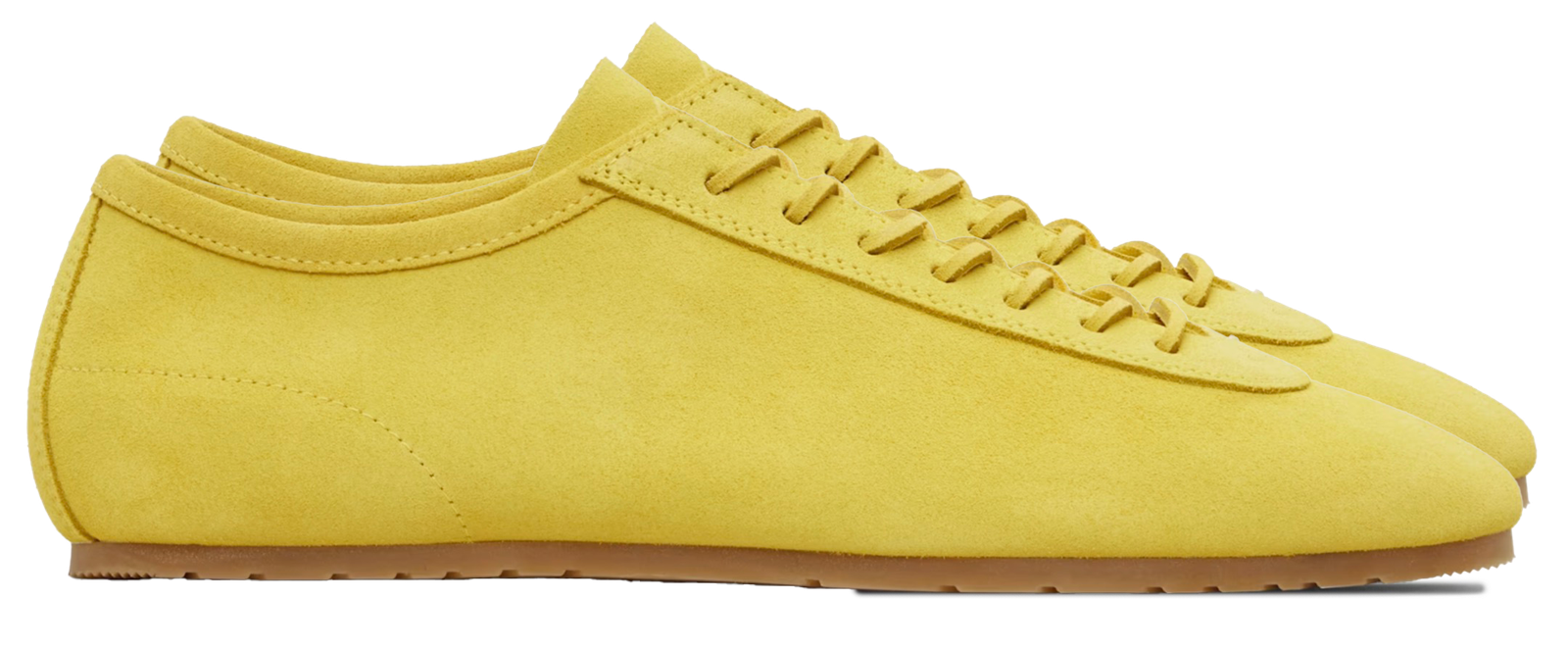
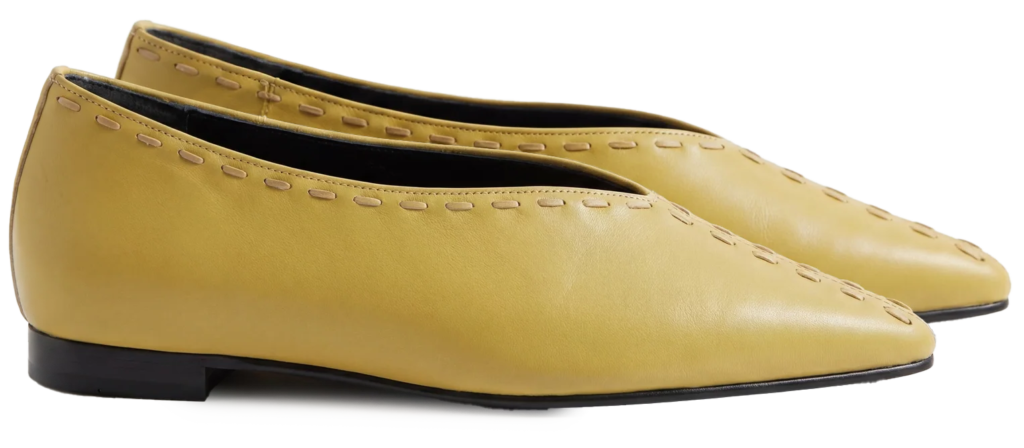
For the Japanese market especially, the styles are very minimal and stripped back; they almost look like little dance shoes. Pattern-cutting something like that is challenging because it is a whole cut. But if the pattern is right, the machining is relatively straightforward.
The Future of the Shoe
JW: I have this idea that, in the ’80s or ’90s, these heavily designed sneakers came along with all of these little parts, reflective pieces, and angles, and that people are sort of tiring of that. So they’re going back to things you might see in the museum.
At the same time, here in New York, you can go down to Wall Street, where you might most expect to see dress shoes, and often see guys in suits and expensive trainers.
CW: We generally, as a society and in the Western world, are becoming more casual. Why wear dress shoes? It’s a real question. I think they are less relevant now as a status symbol, partly because there are really expensive trainers you can buy, and partly because a dress shoe takes a while to break in.
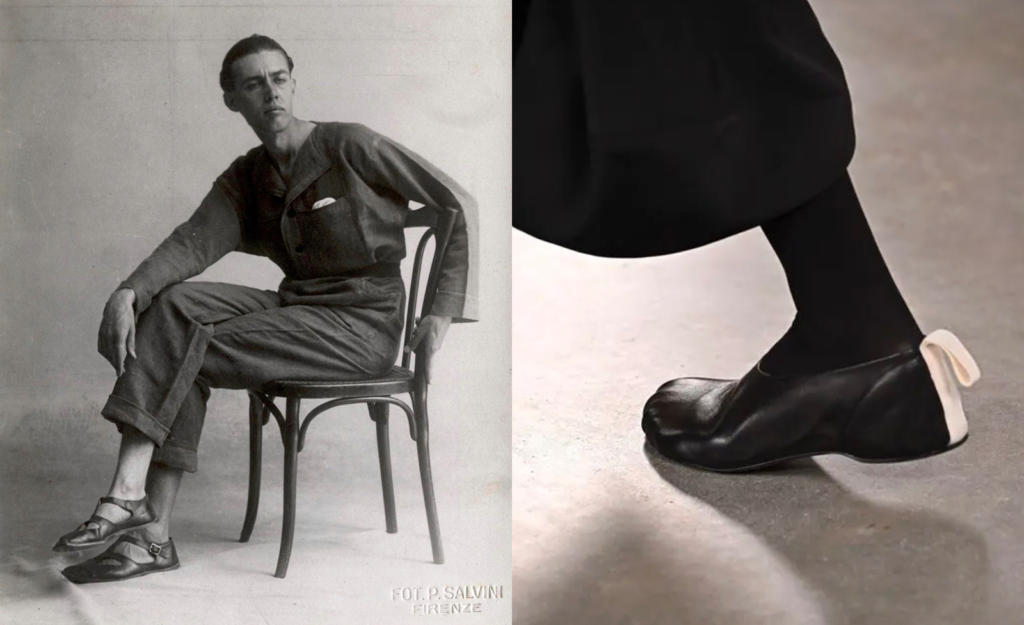
CW: Then you have a newer category that is something like a dress sneaker, but made with more minimal, higher-quality materials. It is stuff that lasts, but has the aesthetic of both.
Take a sneaker: you’ve got loads of stitching all over it and tons of design work, but if you peel all that away, what’s underneath is the shape of the shoe, and generally it’s just a synthetic whole cut with things stitched onto it.
JW: What’s next? What’s new? Anything you’re working on?
CW: It’s weird that you asked, because you’ve opened my head up a little just now. We’ve done a range of unlined shoes, and we’ve added a loafer, a whole cut, and a derby. I found this really beautiful, and it started with the leather. We’ve split the leather and put the structure inside the shoe. So it still has structure at the toe and the back, but also the softness you get from an unlined shoe.
We’re constantly evolving. It’s not an old factory, it’s a modern factory, and people talk to each other and we try new things. Everything is a collaboration.
 Simona Alberi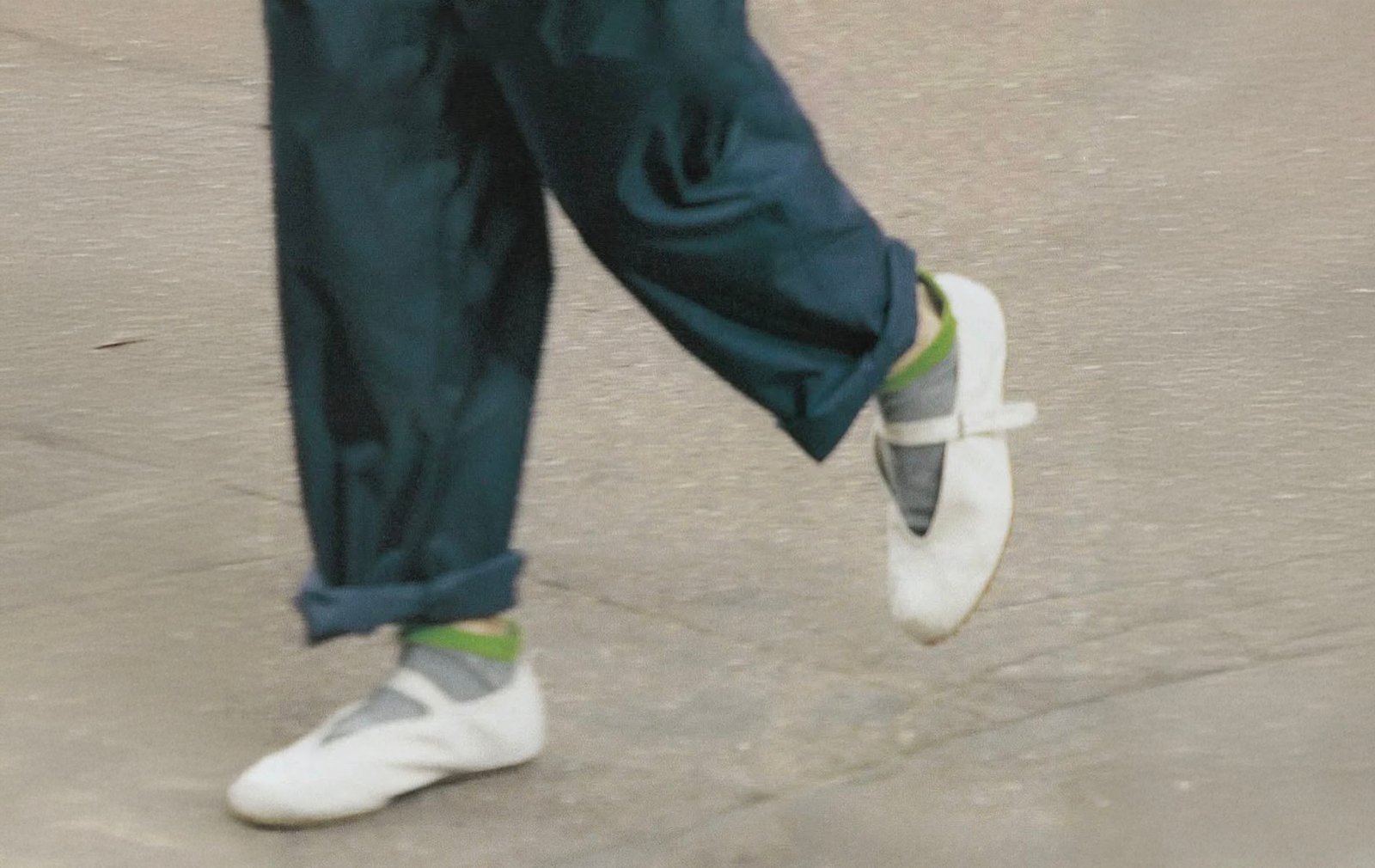
 Cici Thompson
 Pina Lomb