 John White
 Adrianne Rubenstein
JOHN HUDSON WHITE: Where are you right now?
ADRIANNE RUBENSTEIN: We’re near Kingston.
WHITE: The perfect time to be up there in this heat.
RUBENSTEIN: It’s like ten degrees cooler.
WHITE: How did you get interested in painting?
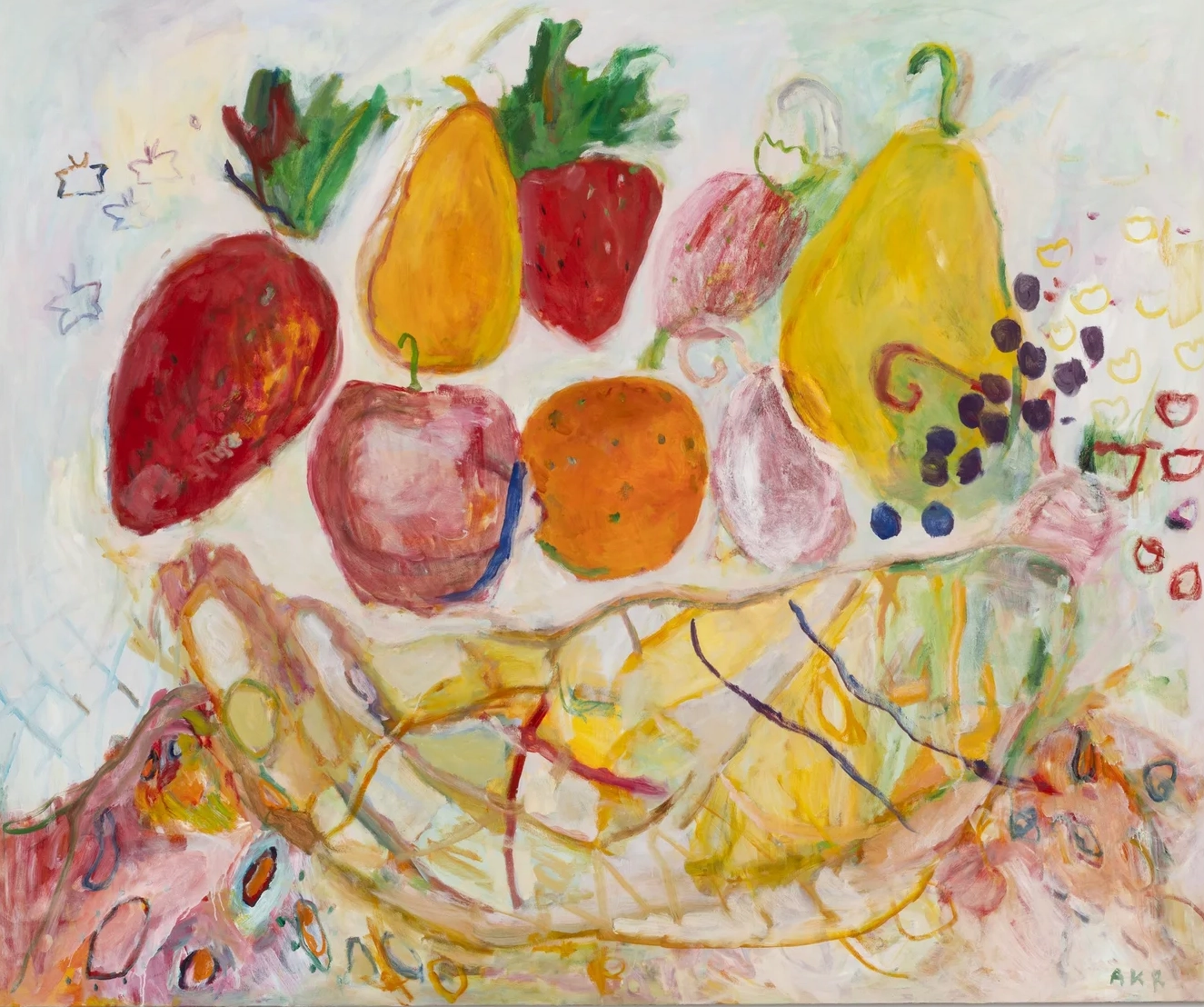
RUBENSTEIN: I don’t think I realized that it was a real thing past the Renaissance or something. I went to a really old art school in Nova Scotia called NSCAD. I got interested in painting because it felt the most free and the most rebellious. The more I moved into painting, the more it seemed completely open-ended, and like you could do anything.
WHITE: When you do a painting, are you usually doing it from something, or piecing together a collage?
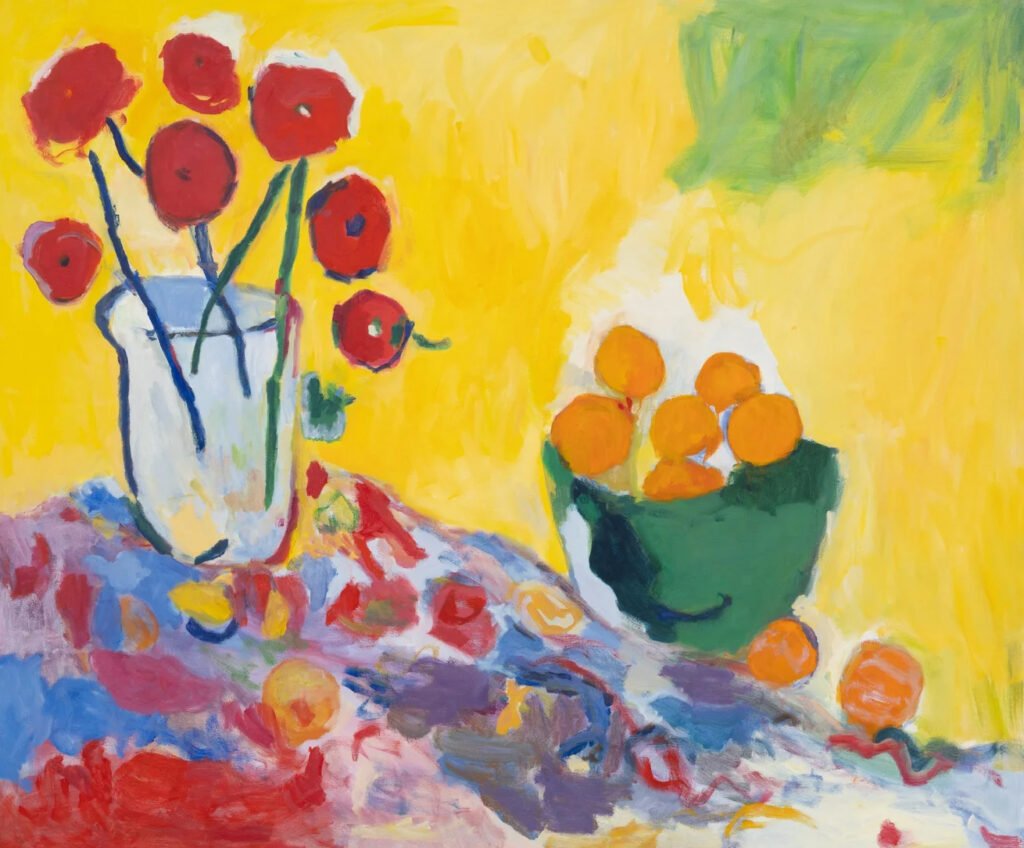
RUBENSTEIN: I think of myself as a painter who paints from ideas that are layered forms of representation. But I feel like that was how I operated when my brain was functioning better and I was young. Now I just kind of do whatever. I’m pulling from my own lexicon, and I don’t really think about it.
WHITE: Do you find certain things inspiring, like going to the Met?
RUBENSTEIN: I really like contemporary art and my peers in the New York painting world. One of my favorite writers of the last few years is Elif Batuman, who wrote a book called The Idiot. I like work that taps into coming of age, jaded discovery, humor, and a female protagonist that I can relate to.
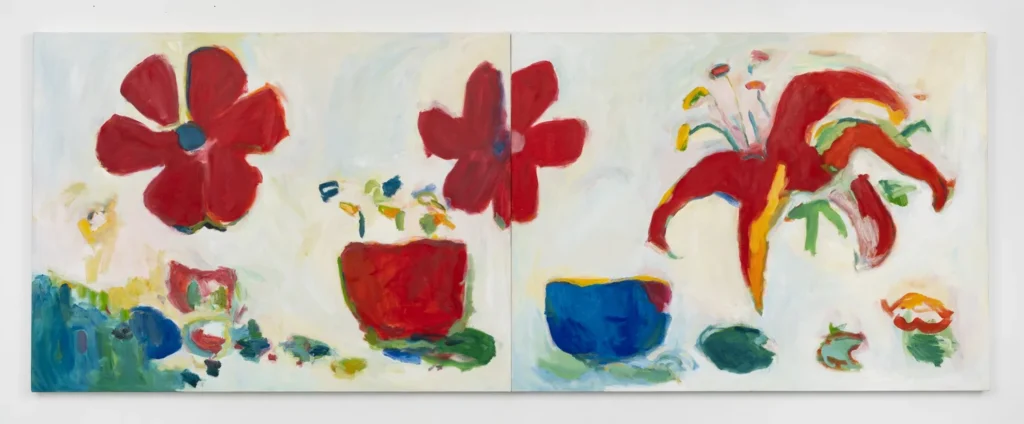
I also like the tradition of Canadian landscape painting and folk art in Canada. When I travel in Canada, the further north you go, the less stuff there is everywhere. In the States, everyone has so much stuff. There’s just less stuff produced. People must be talking to each other, or thinking, or working on the land.
I’m working on a show for a gallery in New Orleans called Sybil. I haven’t even started.
WHITE: Is the process enjoyable?
RUBENSTEIN: It’s both a privilege and work. It’s a process of self-discovery, and I don’t feel like I have certain control over it. It’s like a psychological journey. I might work really hard, but not quite know where I’m going.
That’s what I like to see in people’s work: the possibility of failure and discovery. I think everything in life is pretty fun and funny, but I don’t think working in the studio is always that way. Even though my paintings come across as very joyful, I’m processing aspects of life in there too. I try to make it funny.
 Alec Calder Johnsson
 Madina Tulakova
 Kim Jansch
 Filippo Montani Fargna
 Karl Green
 Ophélie Ferlier-Bouat
 Marguerite de Ponty
 Kamel Mennour
 Massimiliano Pelletti
 Richard Aubern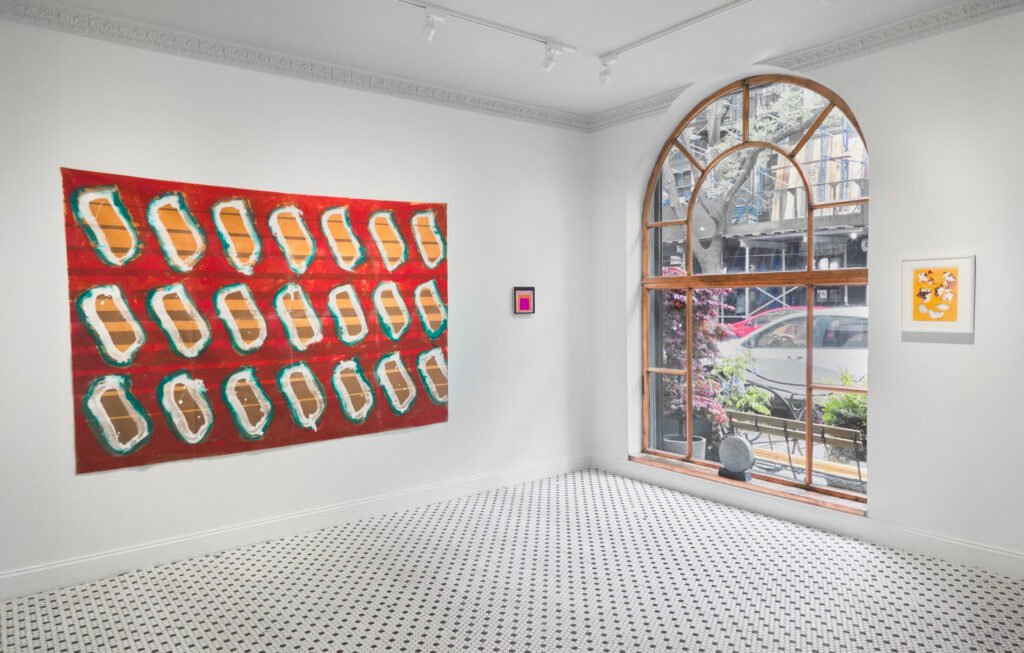
 Cici Thompson
 Franco Maria Ricci
 Fashion Desk