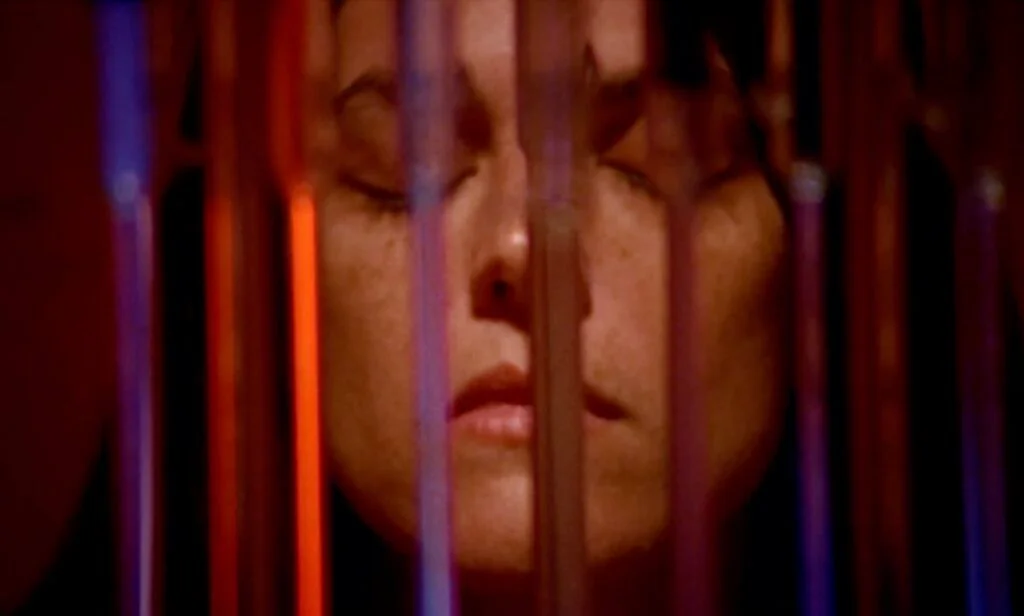
Alice (ah-LEE-cheh) Rohrwacher’s latest movie, a 16mm fable replete with diegetic music—music that exists within the world of the film and helps tell its story, is a breath of fresh air for those missing original narrative and well-crafted thematic exploration.
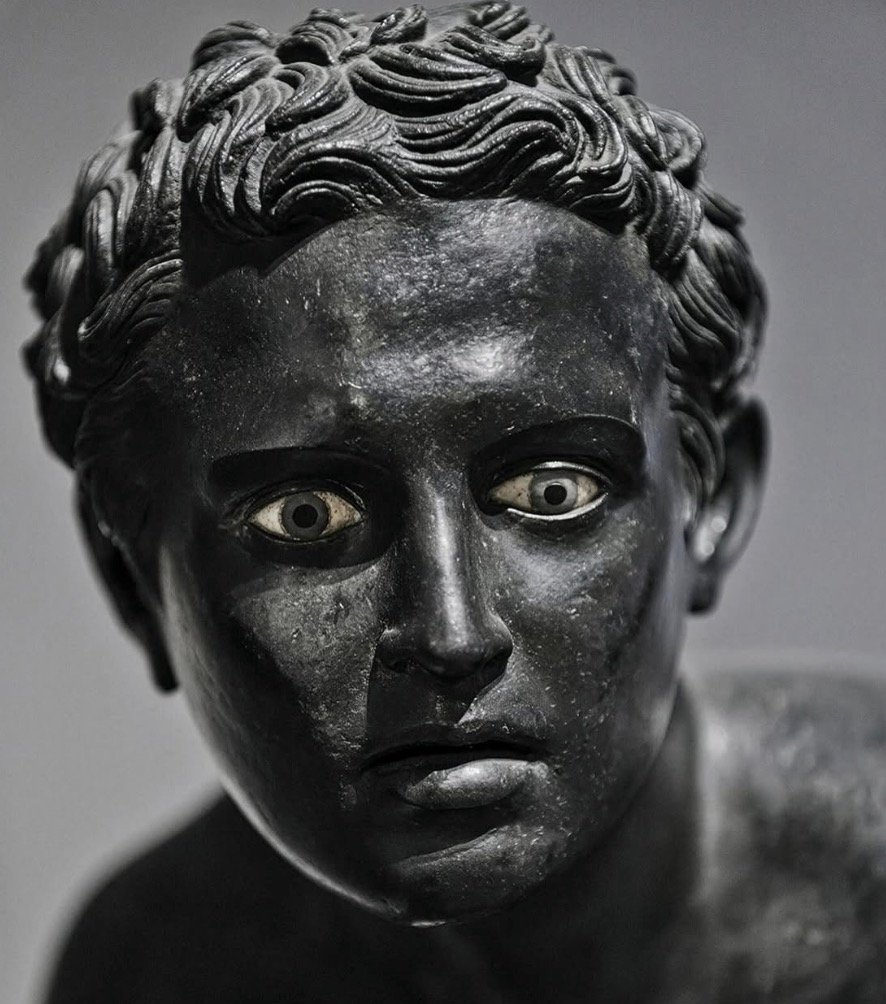
Rohwacher, an Italian writer-director who directed Happy as Lazzaro, enlists Josh O’Connor, Carol Duarte, Vincenzo Nemolato, and even a few quick appearances from Isabella Rossellini, to tell the tale of a kind of tomb-raider who is obsessed with Etruscan antiquities (who isn’t?).
Overall, the cinematography is eloquent, the art direction genuine, and the acting well-rooted. Unfortunately, Josh O’Connor does not seem to fully rise to the formation of a truly compelling character, barely holding my interest during the 2h 11m movie, where he is featured the most (he ends up mostly looking somber throughout, albeit perhaps intentional). And, overall, a sense of gloomy boredom and aimless sadness seems to...
Alice (ah-LEE-cheh) Rohrwacher’s latest movie, a 16mm fable replete with diegetic music—music that exists within the world of the film and helps tell its story, is a breath of fresh air for those missing original narrative and well-crafted thematic exploration.
Rohwacher, an Italian writer-director who directed Happy as Lazzaro, enlists Josh O’Connor, Carol Duarte, Vincenzo Nemolato, and even a few quick appearances from Isabella Rossellini, to tell the tale of a kind of tomb-raider who is obsessed with Etruscan antiquities (who isn’t?).
Overall, the cinematography is eloquent, the art direction genuine, and the acting well-rooted. Unfortunately, Josh O’Connor does not seem to fully rise to the formation of a truly compelling character, barely holding my interest during the 2h 11m movie, where he is featured the most (he ends up mostly looking somber throughout, albeit perhaps intentional). And, overall, a sense of gloomy boredom and aimless sadness seems to intrude upon La chimera‘s charm.
Regardless, it is apparent that Rohwacher wishes to take cinema back to a place of magic and original storytelling. An understated honesty attests to the inherent richness in original-narrative filmmaking.
In the story, Arthur, a disillusioned archeologist in Tuscany grapples with his chosen life of stealing ancient artifacts alongside a group of rowdy friends. What adds somewhat to the cartoonishness of this, is that he also lives in a grubby hut on a mountainside, but somehow always dresses in a stylish white suit wherever he goes.
Films about art and artists often risk a certain overly meta quality, when movies like The Burnt Orange Heresy want too badly to make our hero both a struggling artist, a well-dressed socialite, and a collector of sorts, with no real tics or flaws. The script suffers greatly from this.
Still, La Chimera ultimately speaks more to Rohwacher’s potential, and I for one greatly look forward to her future films.
 Dalia Morgan
 Jonathan Hertzberg
 John White
 Clara MacMeekin
 John Mhiripiri
 Kevin Bone
 Bob Loblaw
 Tasmin Blake
 Pina Lomb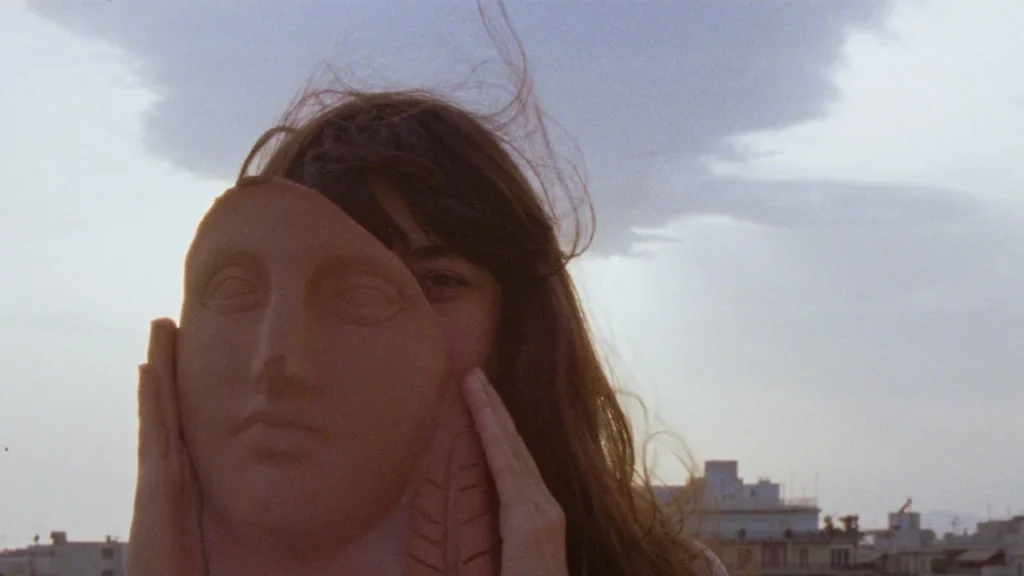
 Art History