 Pina Lomb
Lina Wertmüller is not a household name. What a scandal! For example, while The Conformist won more institutional praise, Love and Anarchy sits on a stranger, more undervalued shelf, and is, although I find the idea of comparing two films absurd, by far, the better film.
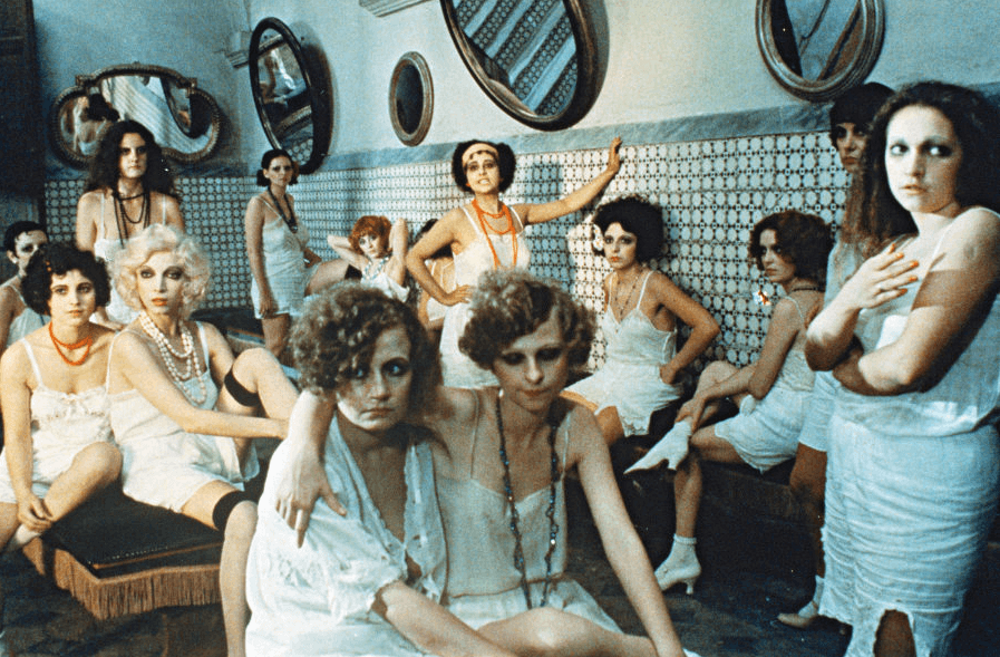
Love and Anarchy is daring, intimate, and devastating. It doesn’t just examine fascism, it makes a complete mockery of it’s foundations, while seducing and entangling you in a dreamy, realist, party-like atmosphere with a decisive auteur stroke.
Giancarlo Giannini plays Tunin, a farmer turned would-be assassin, sent to Rome to kill Mussolini. But instead of ideology, what awaits him is love, exhaustion, and a brothel full of fragile dreams. This isn’t a tidy anti-fascist parable. It’s a slow spiral into disillusionment, set in a Roman brothel where politics blur with intimacy. A man arrives with a mission to kill Mussolini and instead finds himself undone by tenderness, exhaustion, and the quiet absurdity of hope.
Tunin is beautiful and doomed, like so many idealists before him. But Wertmüller doesn’t martyr him; she has him fall apart, surrounded by beautiful women. As in The Lizards, (I basilischi, 1963—my favorite of her films), Wertmüller’s first film, we find a decidedly female viewpoint—in which the leading male, a hero of sorts, is slightly more flawed than we’re used to.
Lina Wertmüller was born in Rome in 1928 and spent much of her early career in theater and television before turning to film. A former assistant to Fellini, she developed a style that mixed political critique with dark humor and emotional unpredictability. Though she made history in 1977 as the first woman nominated for Best Director at the Oscars, much of her work—including Love and Anarchy—remains grotesquely unseen.
 Jonathan Hertzberg
 John White
 Clara MacMeekin
 John Mhiripiri
 Kevin Bone
 Bob Loblaw
 Tasmin Blake
 Dalia Morgan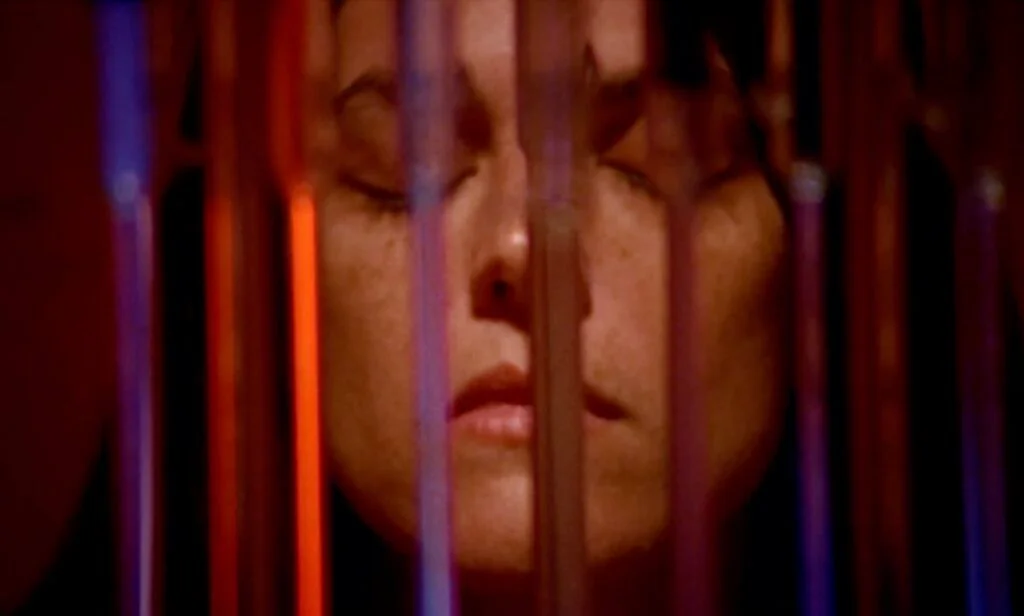
 Fashion Desk