 Madina Tulakova
PARIS—As part of a series looking at art galleries in Paris, Madina Tulakova speaks with Kamel Mennour, founder of Gallery Mennour, about building a program across four distinct spaces, balancing major contemporary names with younger artists, and keeping the physical experience of art at the center in a city that continues to change.
MADINA TULAKOVA: Gallery Mennour has been open since 1999 and has since become a permanent fixture in Paris, with four locations across the 6th and 8th arrondissements. How do you believe Mennour has evolved with the city?
KAMEL MENNOUR: As Paris has become yet more international over the last few years, the gallery has grown with it. Our different spaces allow us to present a wide range of projects, and the core idea remains the same: to support artists and stay in dialogue with Paris.
MT: Each space is different, of course. Can you walk us through some of the decision-making when it comes to the curation of artists and the choice of location for the exhibitions?
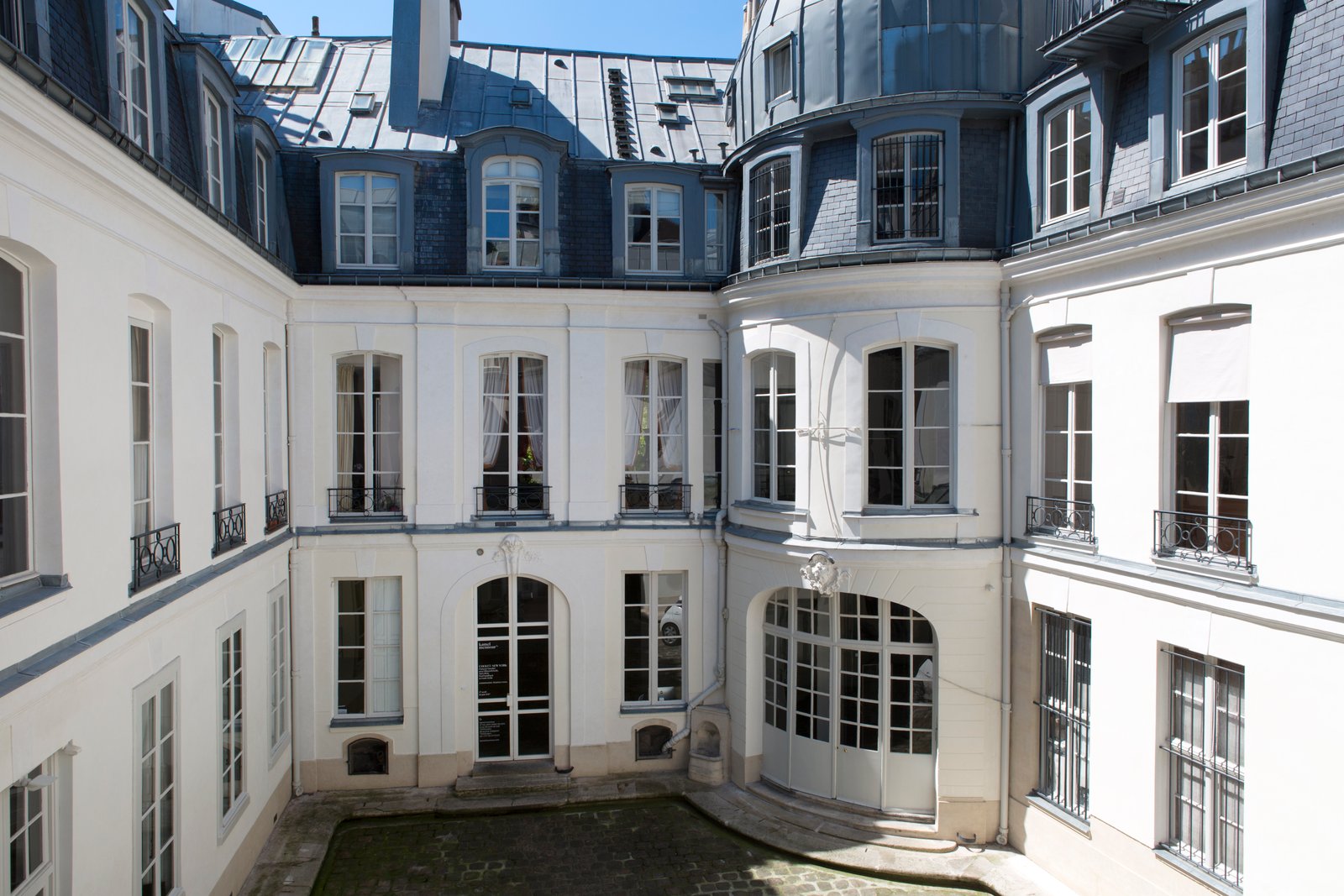
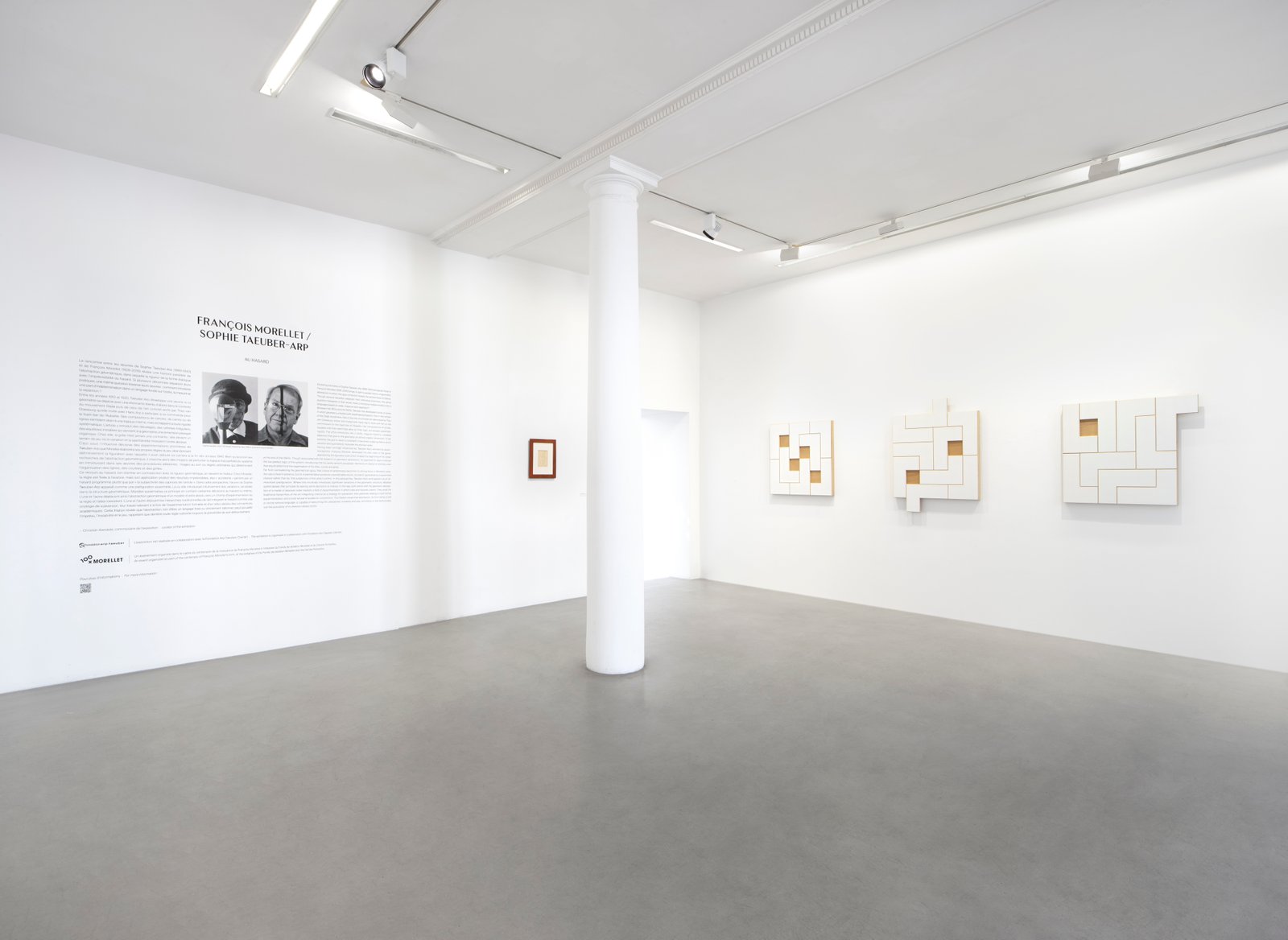
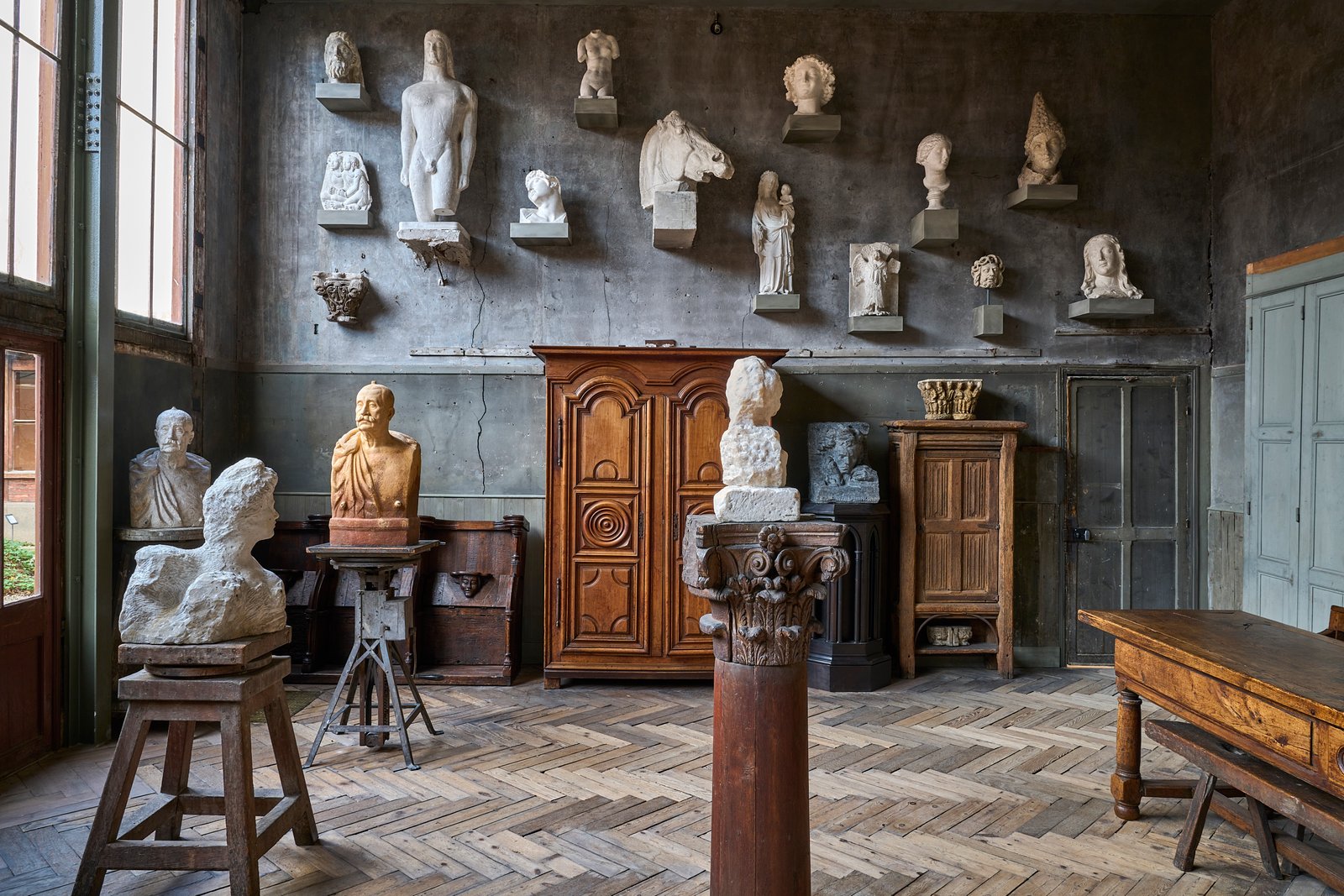
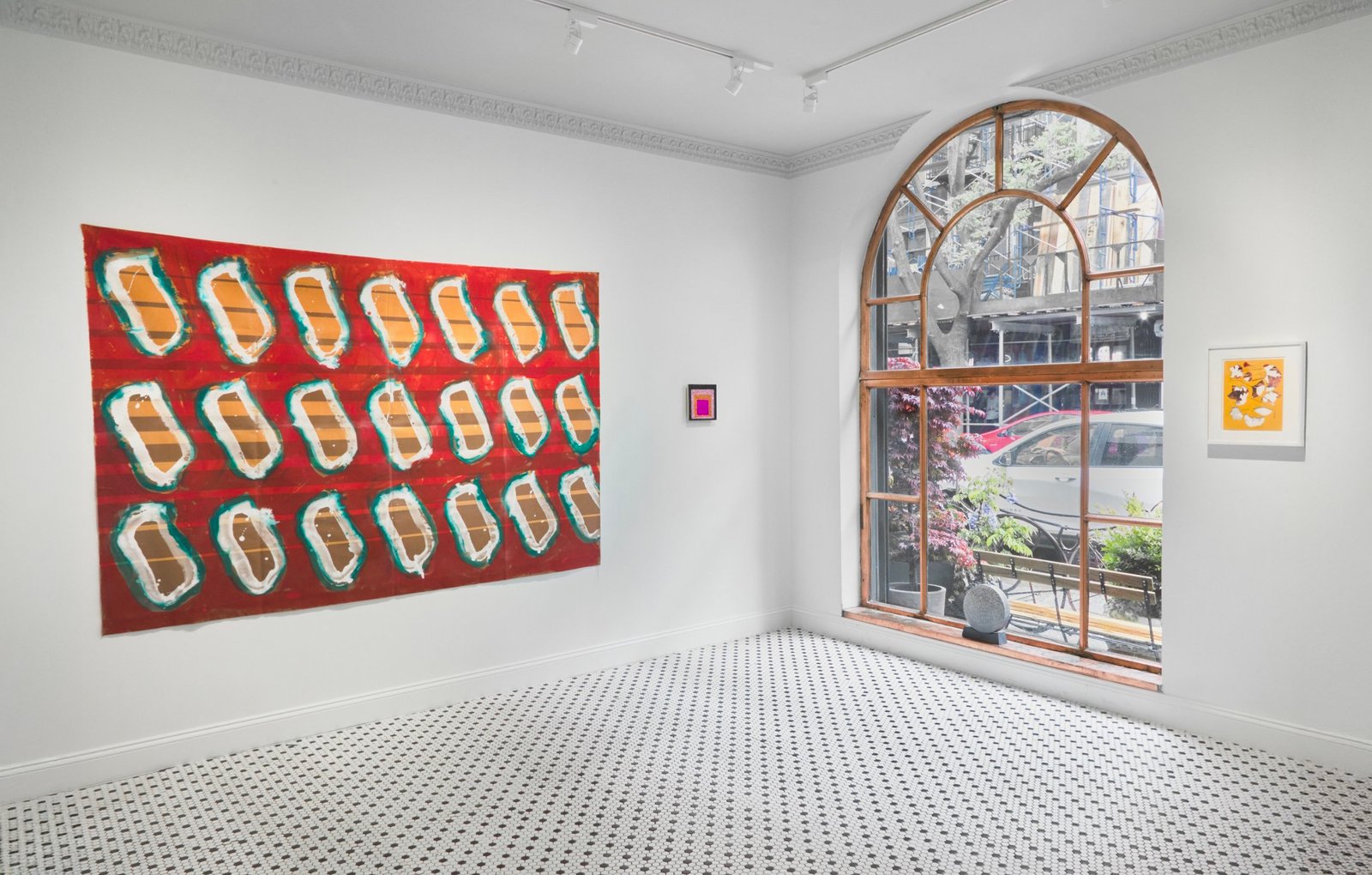
KM: We have four very distinct spaces. On the Right Bank, on Rue Saint-André-des-Arts, is our headquarters, featuring three rooms that can host painting, photography, or sculpture. This space often presents dialogues, such as Daniel Buren and Alberto Giacometti, Alicja Kwade and Louise Nevelson, or Max Bill and François Morellet, as well as museum-style group exhibitions like Jours blancs and Soudain dans la forêt profonde.
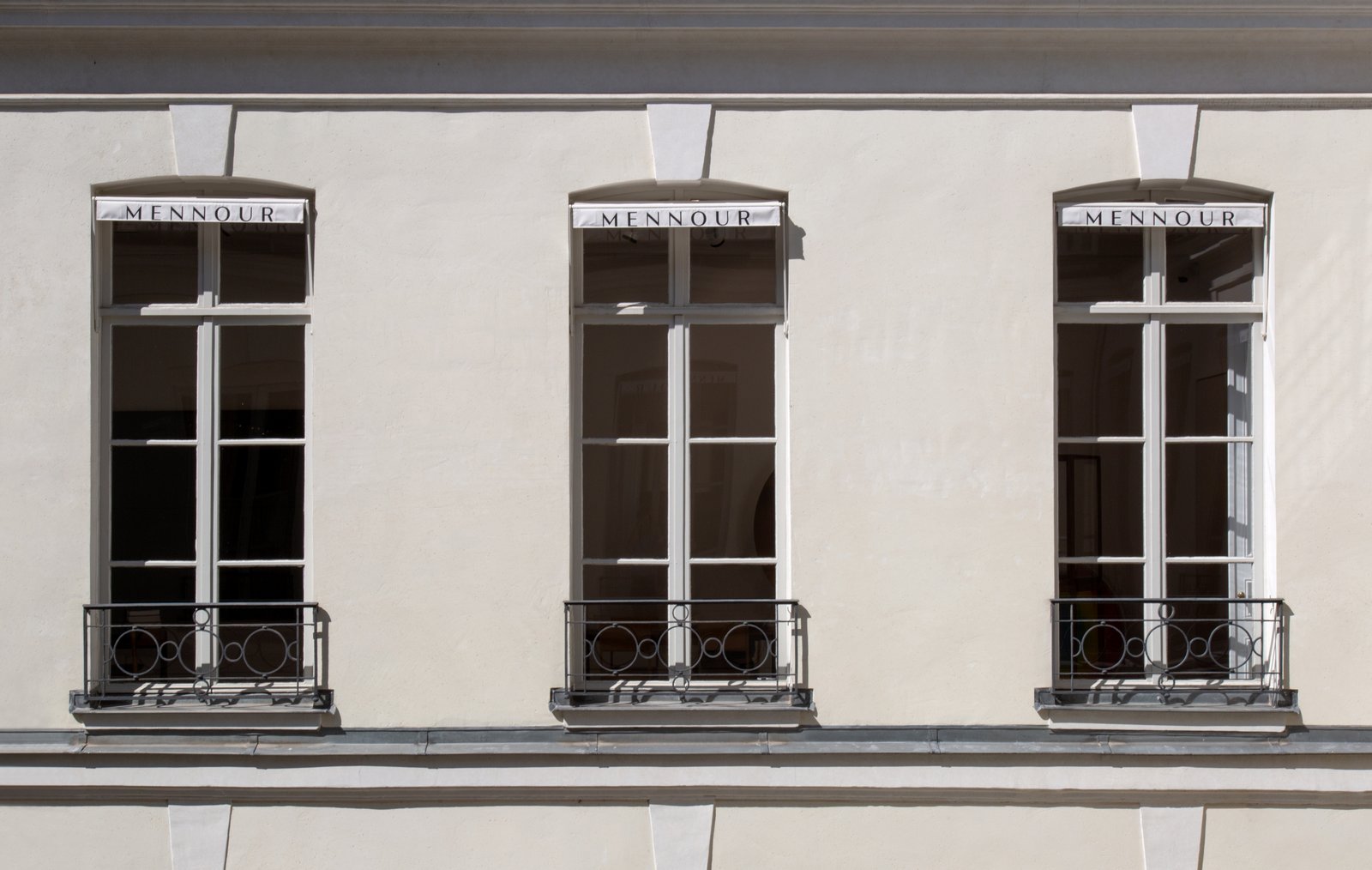
Just a few meters away, at 6 Rue du Pont de Lodi, we are fortunate to have a large room with a glass roof: a true playground for artists. Petrit Halilaj installed a school classroom, Zineb Sedira created a cinema, Elizabeth Jaeger transformed the space into a marsh, Hicham Berrada drew visitors into a 360-degree video installation, and Huang Yong Ping presented a life-size kitchen overrun with cockroaches. This is a space of freedom for monumental installations.
Across the street, at 5 Rue du Pont de Lodi, we present emerging artists who are winners of our Mennour Emergence program.
Finally, our space on the Right Bank, on Avenue Matignon, serves as a showcase for master artists of the 20th century, including Alberto Giacometti, Frank Stella, and Jean Degottex.
MT: Mennour presents some of the world’s most significant contemporary talents, from Anish Kapoor to Ugo Rondinone, yet you remain heavily invested in developing and giving a platform to young talents, particularly through your Emergence program. How do you maintain curatorial coherence across such a wide roster?
KM: Curatorial coherence comes from the artists themselves. Whether we work with established figures or with young graduates through Mennour Emergence, the key is always the strength and singularity of the artistic vision. Our role as a gallery is to create a dialogue between generations and to accompany artists over the long term. We also rely on the curatorial vision of our Scientific Director, Christian Alandete.
The Digital Age
MT: How has Mennour navigated this pressure while maintaining physical experience as a priority?
KM: I try not to confuse visibility with presence. The gallery is a space where the work can truly live. My focus is always on how audiences experience art physically. That is why we present exhibitions not only at the gallery, but also off-site through special outdoor projects, museum exhibitions, and art fairs around the world. Our digital platforms support this program, whether through our Instagram account, our YouTube channel, or our website.
MT: Now that a first encounter with an artist’s work is just as likely to happen through a share or a like as through a gallery visit, does that change how you introduce artists or build an exhibition narrative?
KM: Social media has changed how people discover art, but it has not changed how I present it. Introducing an artist or framing an exhibition is still about the dialogue that unfolds within the space, not the first scroll or click. That said, we care deeply about how our artists are introduced online: the way their work is photographed, filmed, presented, and contextualized.
On the Ever-Changing State of the Gallery
MT: In a recent exhibition with Nina Jayasuriya, born 1996, living between Paris and Sri Lanka, Odyssée de Yaka Villa, one of the core themes was impermanence. When all is said and done, and the exhibition is complete, what feeling is the artist and the Mennour team left with? Is it a sense of renewal or grief?
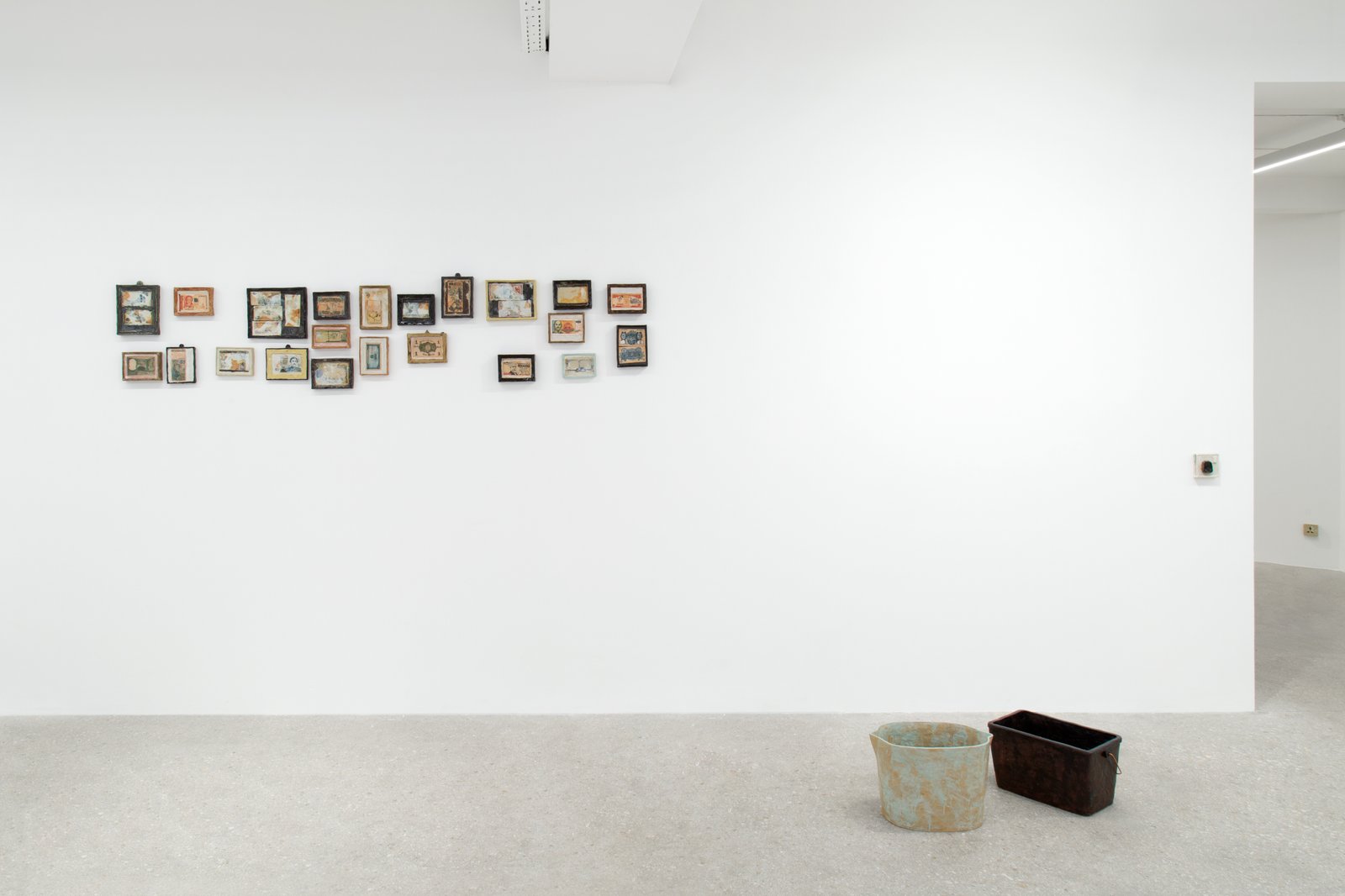
KM: It is more of a continuous cycle. We present the exhibition, welcome visitors, and actively promote it through social media and the press. Once the exhibition concludes, some artworks are shown again at art fairs. Our collaboration with the artist does not end with the exhibition; we continue to support them by promoting their work to collectors, curators, and journalists, ensuring their practice receives ongoing visibility.
MT: Some of the artists you have worked with, Philippe Parreno, Hicham Berrada, and Ann Veronica Janssens, work predominantly with immersive, time-based, and atmospheric works. How do you build a market for works that are so experience-dependent, and what does that process look like, both creatively and commercially?
KM: It is all about finding a balance between the experiential works and the commercial ones.
These more tangible or collectible works help sustain the gallery and support the production of these ambitious, immersive projects.
 Cici Thompson
 Marguerite de Ponty
 Richard Aubern
 Bob Loblaw
 John Hudson White