 Simona Alberi
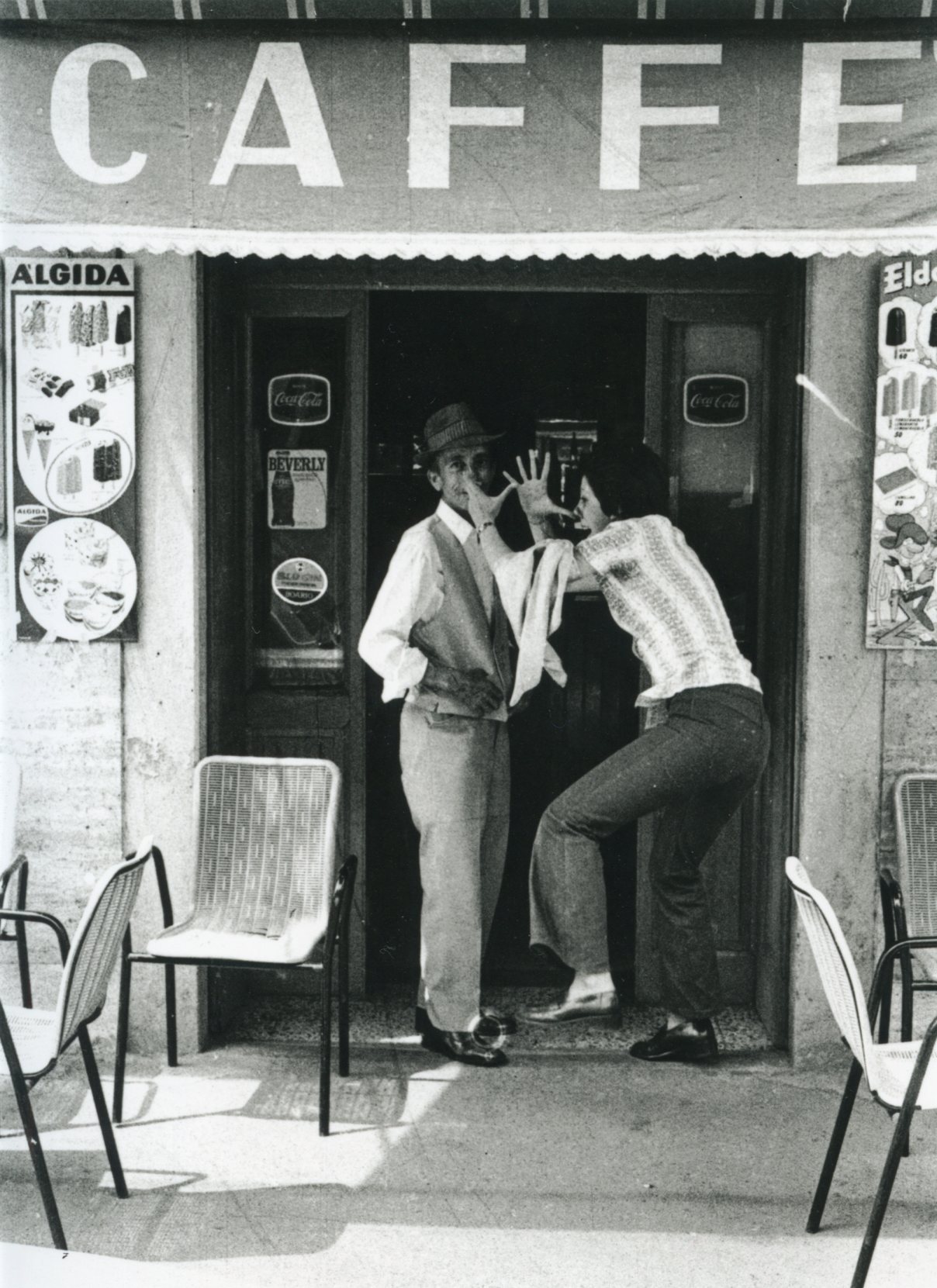
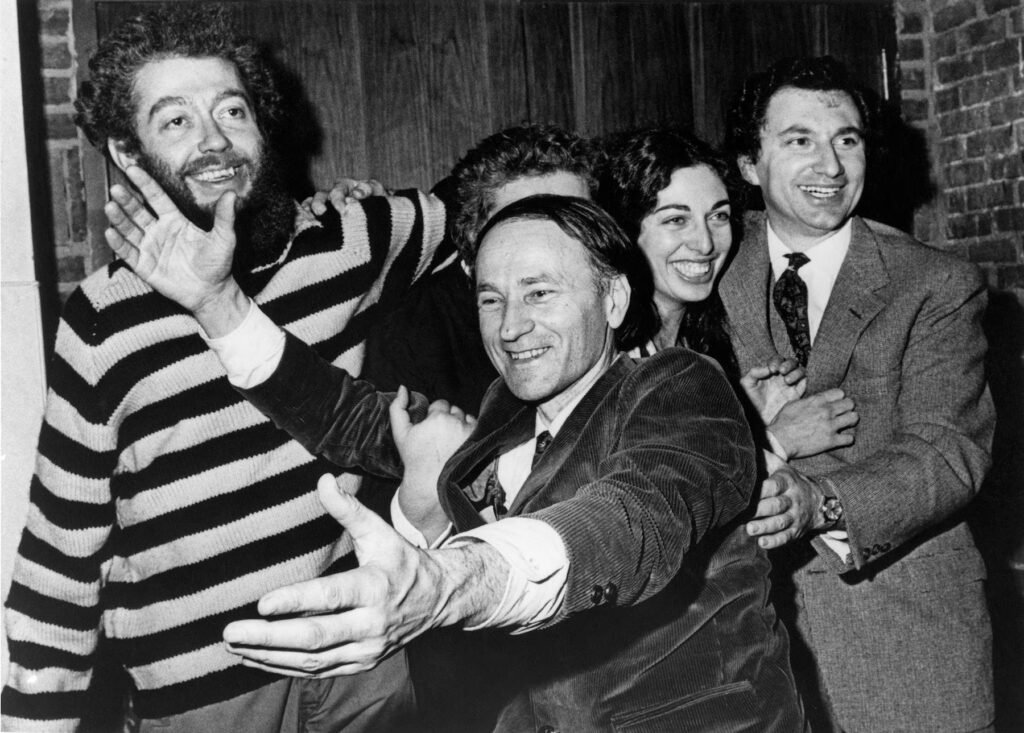
La Banda del Marameo began in 1968 inside Milan’s Liceo Artistico Beato Angelico, where Aldo Spoldi gathered classmates into a comic performance group built around a childish gesture of mockery. Vogue Italia recently revisited the group as a case of late-1960s schoolyard irreverence turning into performance art, with the “marameo”, the gesture of putting your out splayed hand thumb-to-nose, becoming a small anti-authoritarian sign rather than a throwaway joke.
The group’s first members included classmates named Daniela, Elio, and Giuseppe, but the circle soon expanded to roughly 30 people in Crema. Patrizia Gillo encouraged the group to tour, which moved the project from a school setting into public actions across Lombardy. The performances used parody, insult, and theatrical embarrassment to attack the seriousness of politics, art, and consumer culture at the same time.
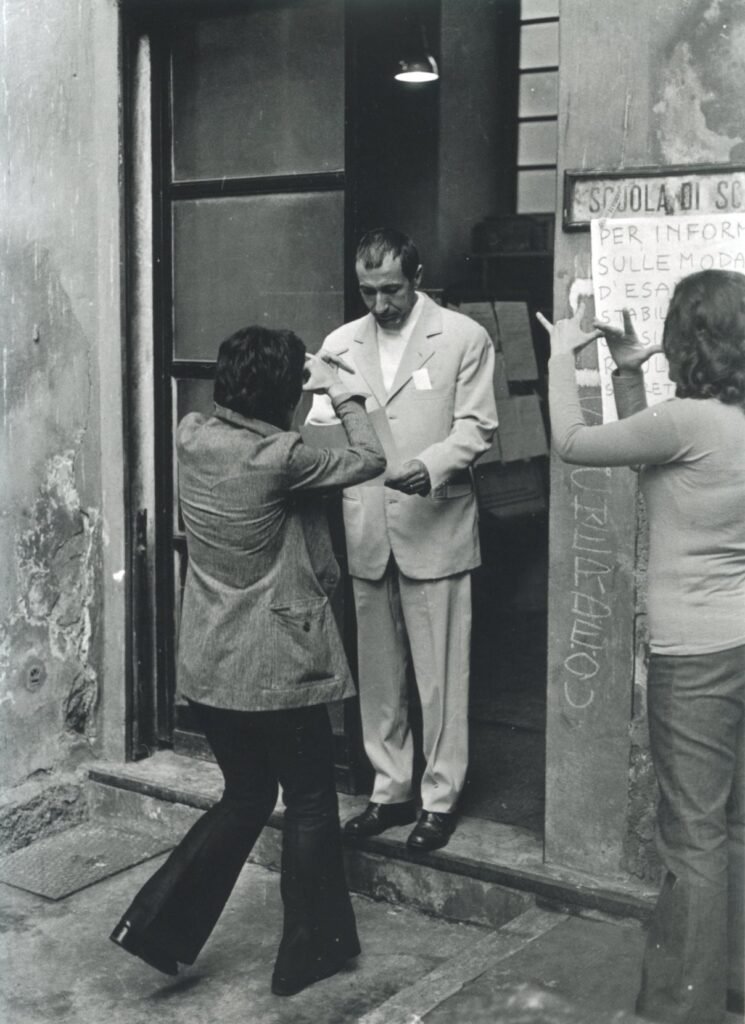
Postmedia Books published Aldo Spoldi. La Banda del Marameo. Catalogo della mostra in 2019, a 160-page illustrated volume edited by Loredana Parmesani and Patrizia Gillo. The book formalized an archive that had begun with fragile material: photographs, newspaper traces, performances, and Spoldi’s later paintings. The group’s actions were photographed by Met Levi, whose documentation helped turn temporary gestures into a record that could be exhibited and republished decades later. Spoldi’s large paintings based on the Marameo actions were made in 1968 and 1969 but were not publicly shown until 2018 at Fondazione Marconi and Galleria Antonio Battaglia. The 2019 Postmedia volume made the group legible as art history rather than just a private mythology around a Milanese student prank.
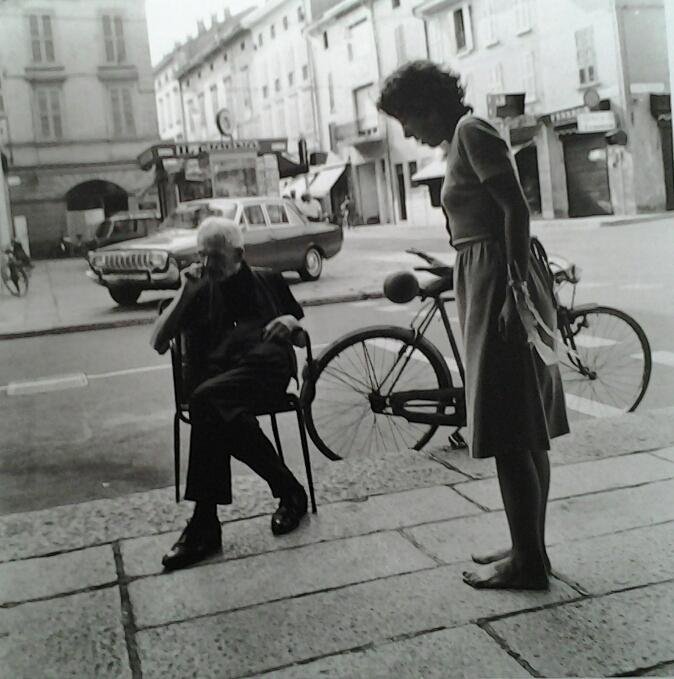
The group’s ideology was stranger than ordinary protest because it drew from the Frankfurt School and Herbert Marcuse while expressing itself through jokes, faces, paratheater, and public ridicule.
La Banda del Marameo mocked both capitalism and historical materialism, placing itself outside a clean political camp even though it came directly out of 1968. Its performances took place in symbolic Milanese spaces including Piazza della Scala and Galleria Vittorio Emanuele, which made the joke visible inside civic and commercial architecture. The actions ended in 1975 at the Accademia di Belle Arti di Brera, in Alik Cavaliere’s scenography classroom, where Il Teatro di Oklahoma was conceived. ATP Diary later placed La Banda del Marameo within the larger Accademia dello Scivolo project, alongside related publications on Trieb, Teatro di Oklahoma, La Banca di Oklahoma, and Spoldi’s invented artistic universe.
More information:
accademiadelloscivolo.it
 Clara MacMeekin
 Bob Loblaw
 Tasmin Blake
 Dalia Morgan
 Pina Lomb