 Alec Calder Johnsson
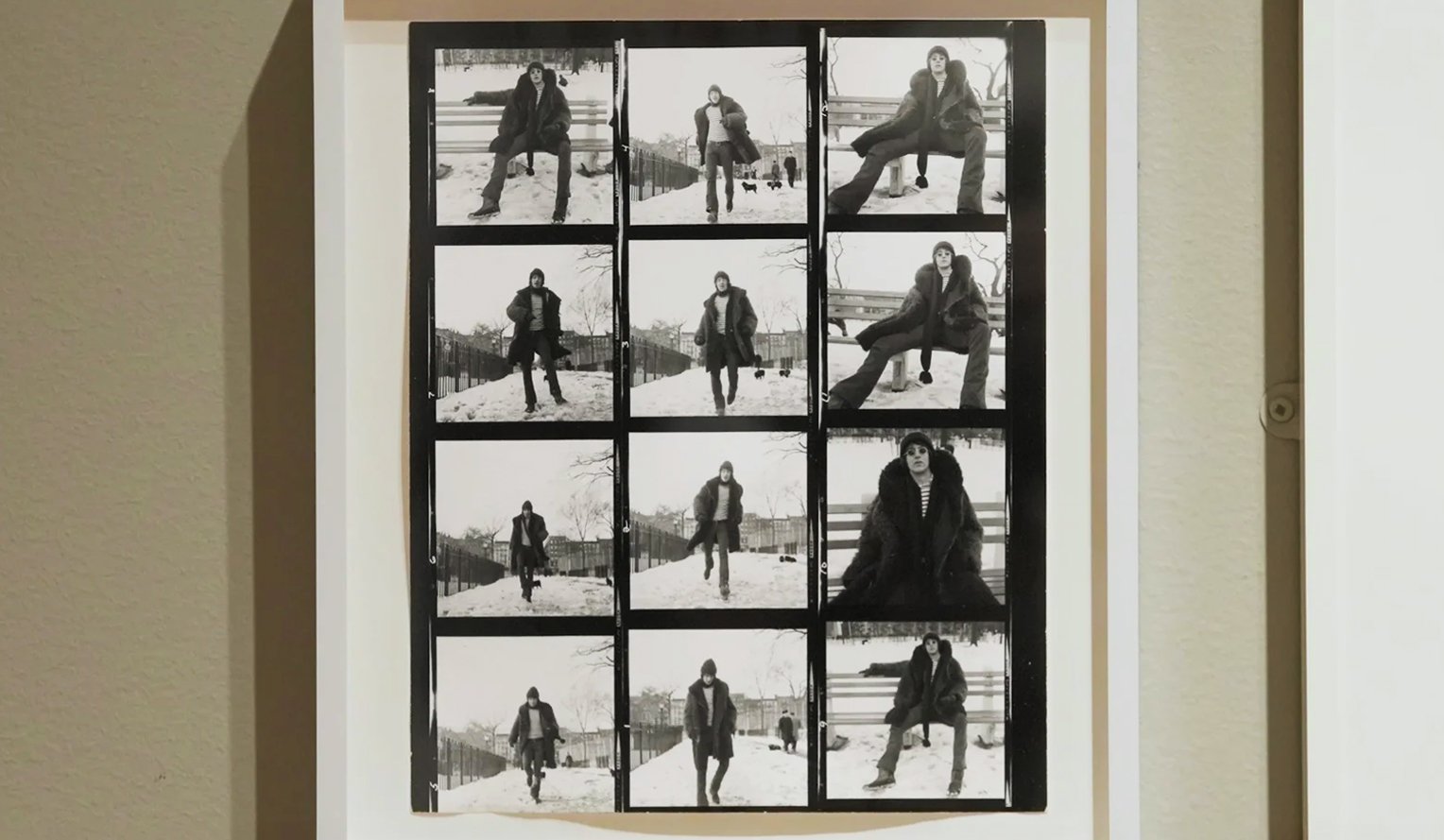
It has long been a trope in media studies that the “filming” of movement was first perceived not as cinema, but as sequential photography; the key is Muybridge’s Horse in Motion, to say nothing of the chronophotography of Étienne-Jules Marey. Yet, one could also argue the inverse: from the modern era on, each single photograph has never quite escaped the tension of its captured motion. All the more so when pulled from a film strip or another sequence, an isolated still image is loaded ineluctably with the energy of the motions that preceded it and the seeded promise of those that will shortly follow it. “Hujar: Contact,” the Morgan Library and Museum’s comprehensive exhibition of the contact sheets of Peter Hujar (1934-87), brings a dramatic and rare opportunity to consider this intrinsic dualism of photography as both an art of the sovereign static unit and of the serial progression.
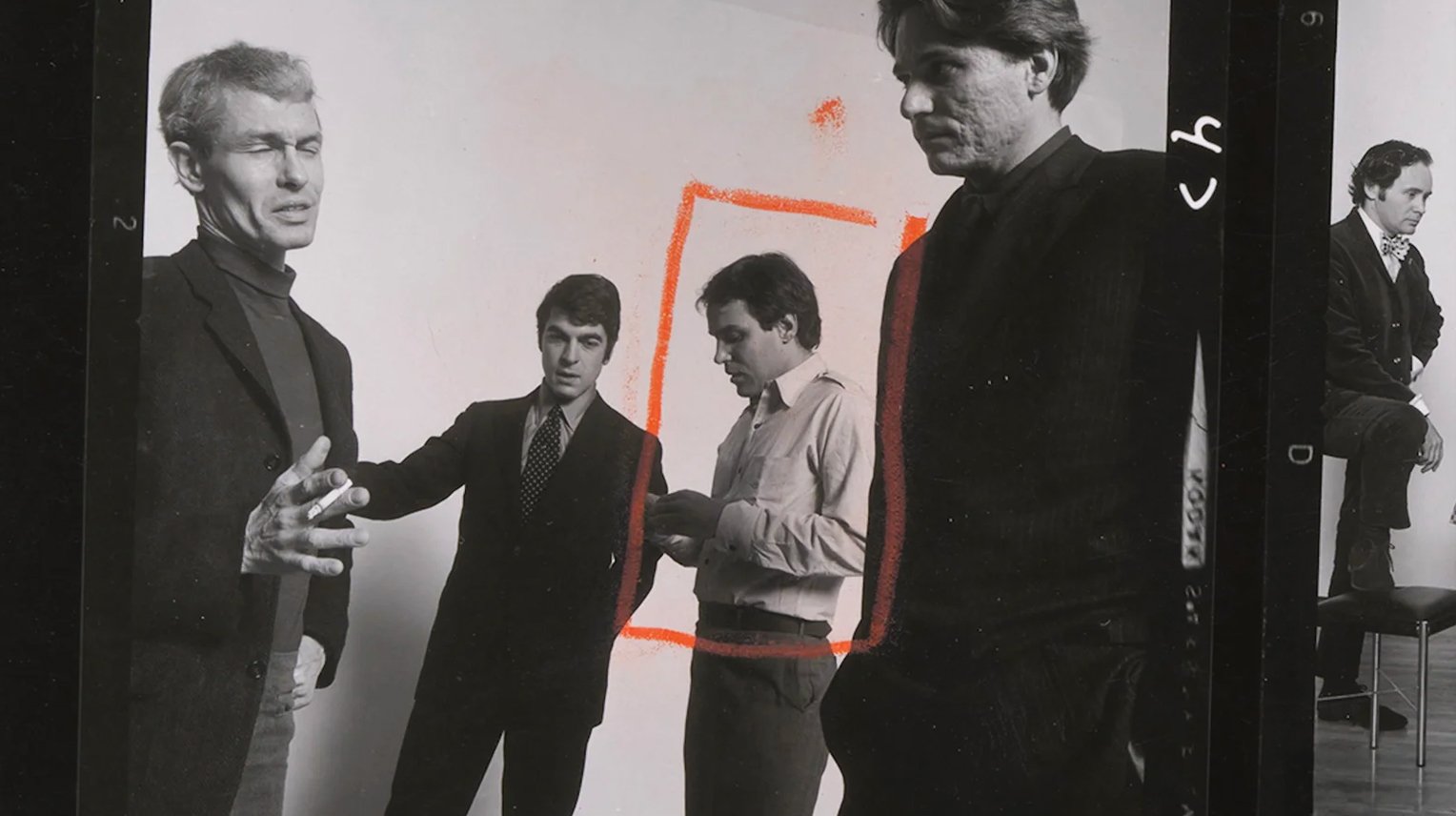
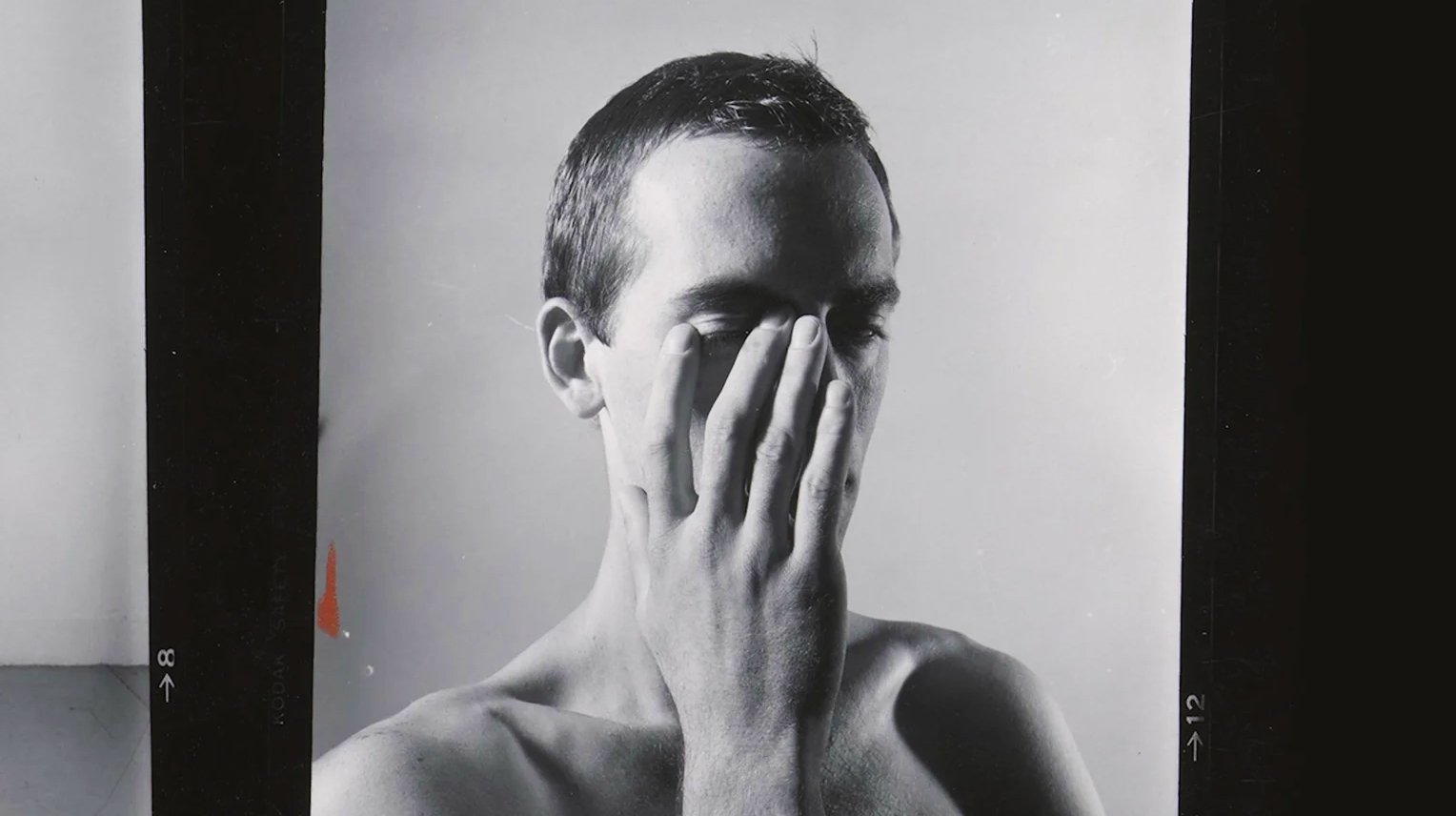
Hujar was one of the boldest and most distinct portraitists and chroniclers of the New York avant-garde and underground subcultures of his latter two decades, an important part of LGBTQ art history in the years before and during the AIDS crisis. The exhibition of his Muybridge-like gridded contacts, including many next to the final photographs enlarged and developed from their sessions, offers an exposé of the work process behind his fraught imagery. But the collection is more than that; it constitutes a voluminous expansion of his still images, retrenching them in the organic dynamics from which they emerged—motions that were frequently encouraged by Hujar, as opposed to traditional fixed poses—and the context expands upon their resonance in their individual forms.
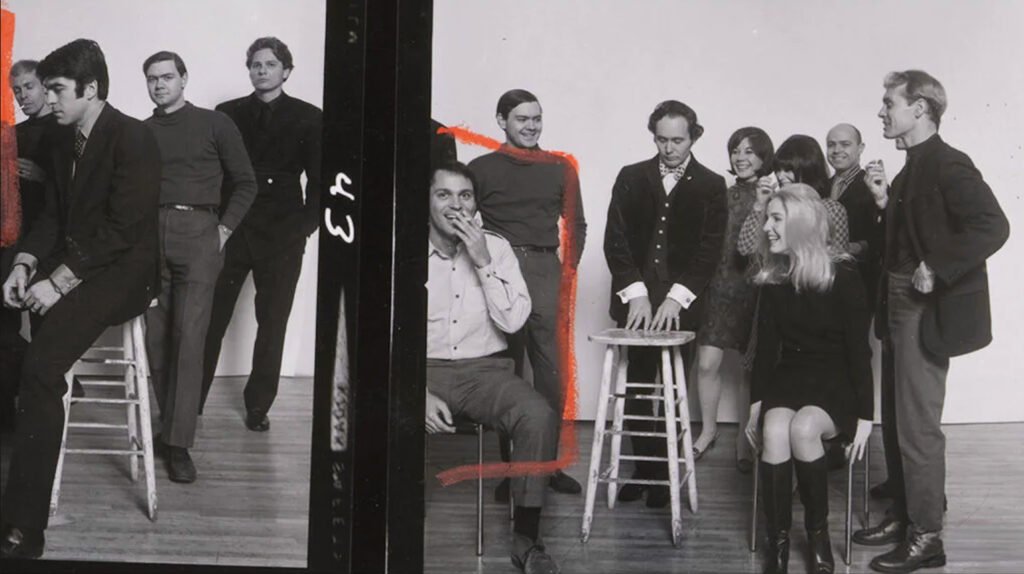
Displayed with a candid attitude, with magnifying glasses supplied at the entry, each tiny frame of the contacts is situated at a liminal space not just between stasis and motion, but also, and maybe more critically, between their improvised essence and their durability as artifacts of an artistic praxis. The portrait photographer’s foundational tools are his shutter and his raw instinct as to when to close it. It is a given that Hujar’s instinct led him to craft a sequence of images from which to discriminate; no one in his position, in his right mind, would ever have left himself to one single, barren image. Yet, in the Morgan’s perceptive presentation, the unselected images are equalized to the developed ones, seen anew in the harmony of a holistic, motional and procedural vision, and moreover, each of them can on its own be isolated and reconsidered as a unique historic and personal snapshot.
Hujar’s self-portraits, his renderings of his famous friends, and his unfiltered erotica may be his best-known images. What stuck out to me from this show, however, were his later suburban and exurban scapes, haunted scenes of farmland and wildlife, graffiti and detritus, urban abandonment and post-industrial obsolescence, often from the outskirts of the tristate area. Purely architectonic, with all semblance of human agency elided from the front of the camera, these contacts give their seriality an even deeper level of poignancy. Where Hujar’s living models move as it comes to their minds, these lands, constructions and objects—whether in grace or neglect—have been left to the elements and their entropy. Together and on their own, they are stark in their testimony of the passage of time.
Hujar: Contact
The Morgan Library & Museum
225 Madison Avenue, New York
Through 25 October 2026
 John White
 Adrianne Rubenstein
 Madina Tulakova
 Kim Jansch
 Filippo Montani Fargna
 Karl Green
 Ophélie Ferlier-Bouat
 Marguerite de Ponty
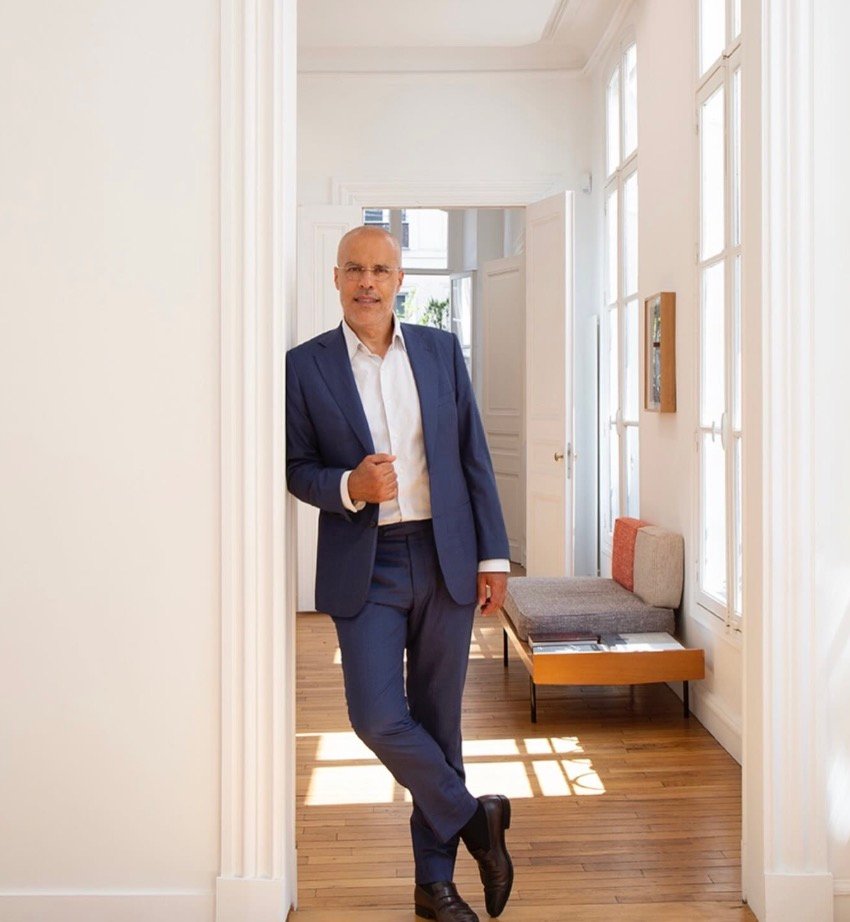 Kamel Mennour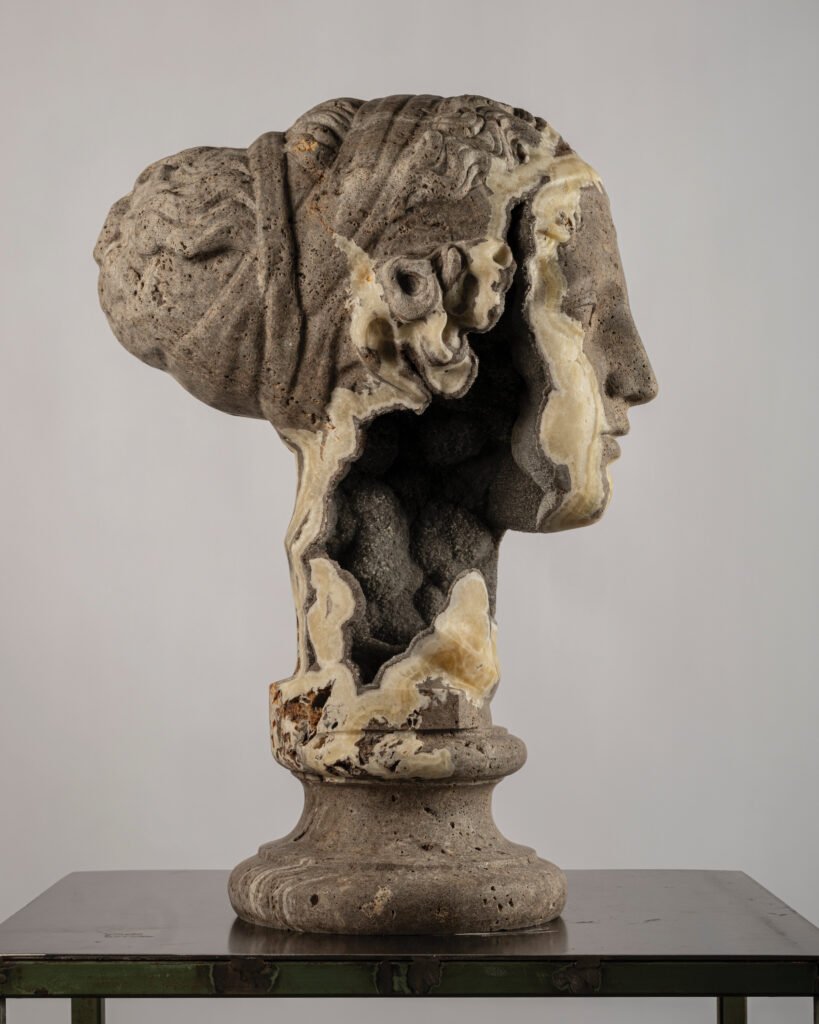
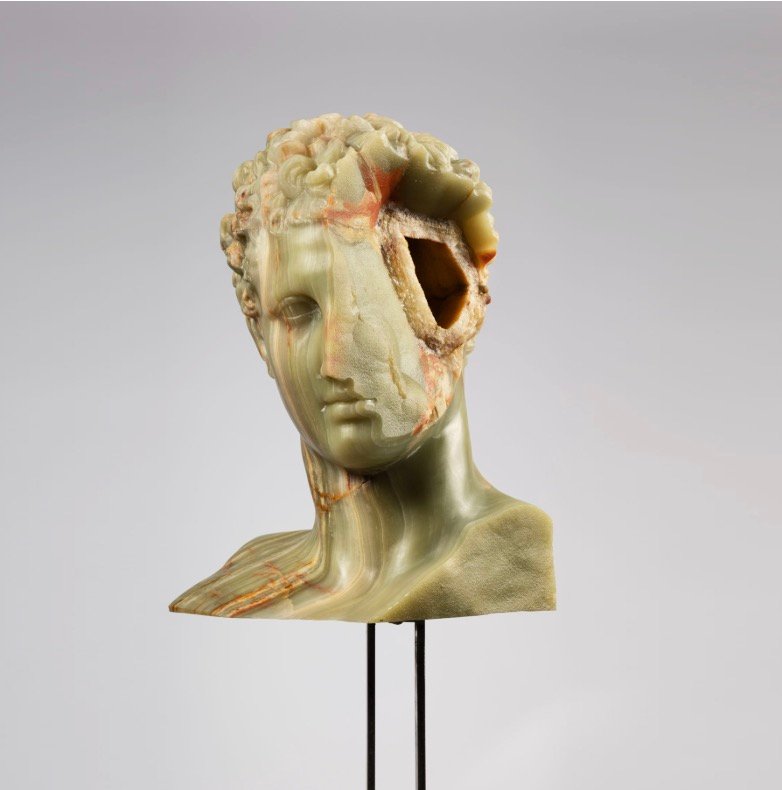 Massimiliano Pelletti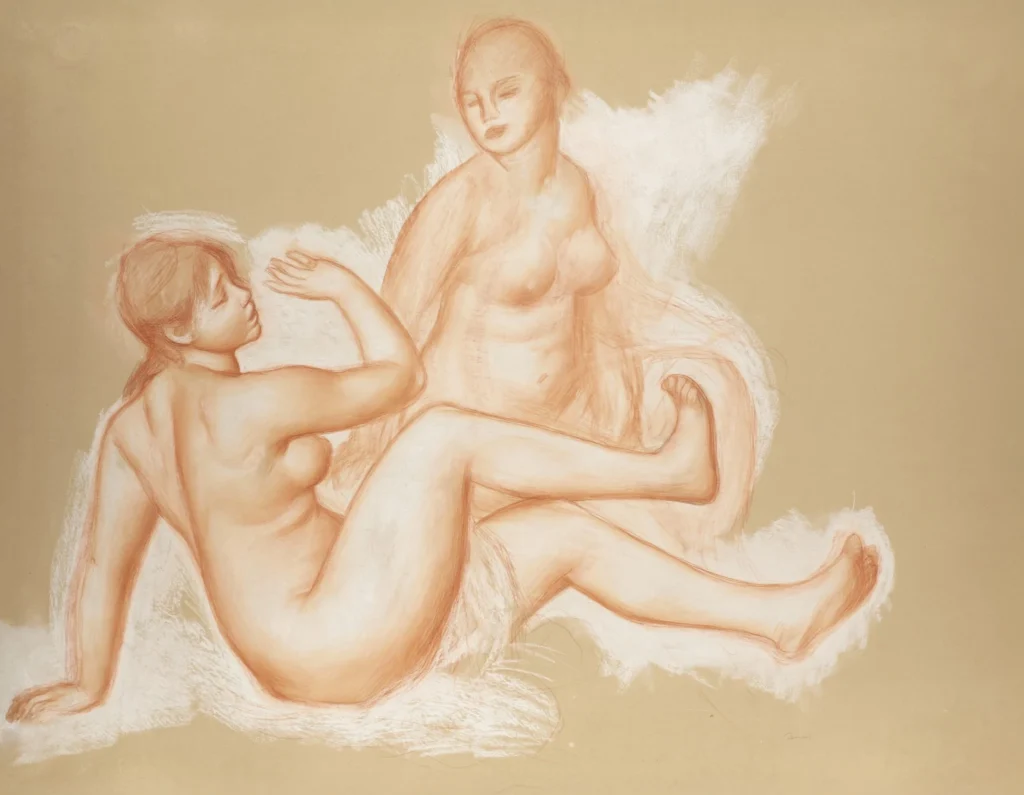
 Richard Aubern
 Cici Thompson
 Franco Maria Ricci
 Fashion Desk