 Jonathan Hertzberg
 John White
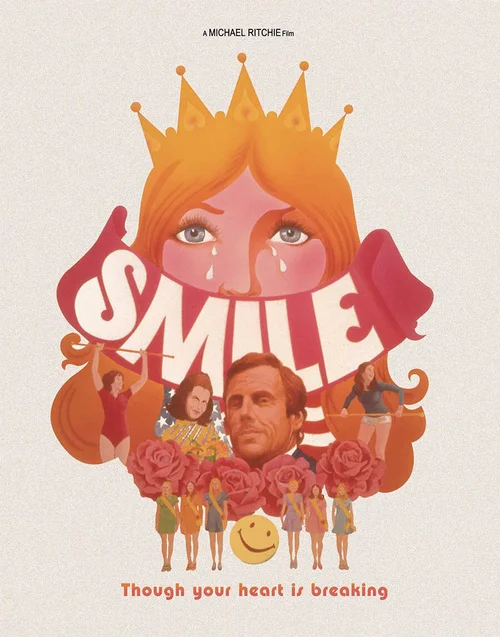
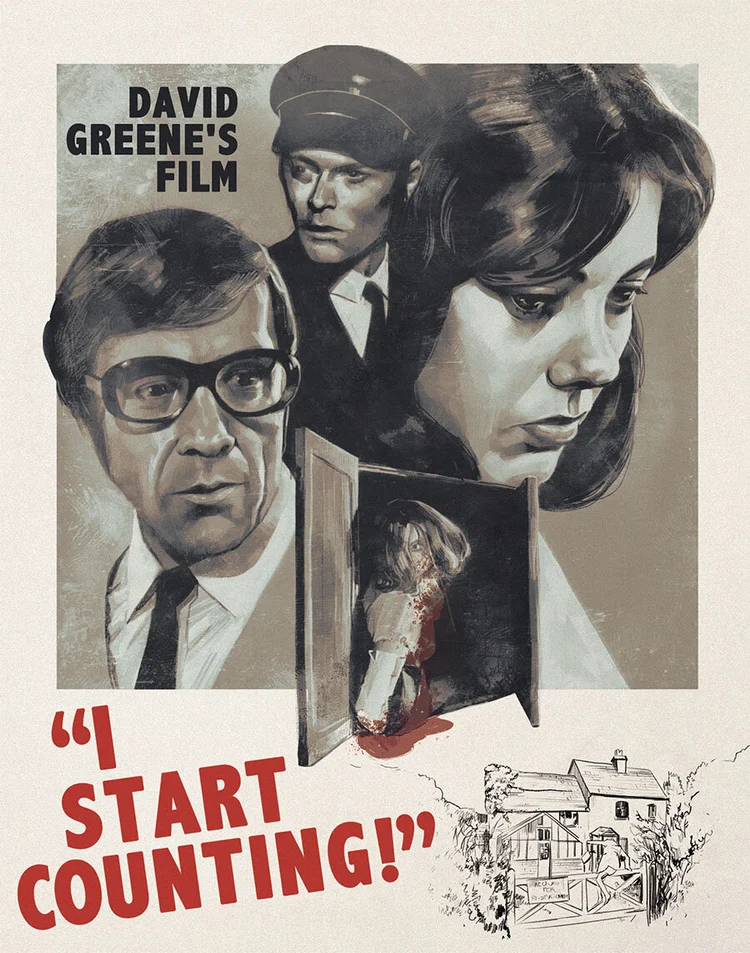
Fun City Editions has shown me some real gems, like Smile (1975) about a small town California beauty pageant, or I Start Counting (1970), a 1970 British coming-of-age drama starring a young Jenny Agutter. The label was founded by longtime film collector and former repertory programmer Jonathan Hertzberg, who after a decade at Kino Lorber, decided there was room for a new niche collector’s label: “Fun City” coined by 1960s New York mayor John Lindsay, restores and reissues films that have slipped out of circulation, giving them new context, new audiences, and new life.
JOHN WHITE: What made you start Fun City Editions? And what is it?
JONATHAN HERTZBERG: I’ve been obsessed with film, and been a collector, for as long as I can remember. I worked for many years in film distribution, as well as film programming, on the exhibition side. I spent nearly a decade at Kino Lorber, establishing the Kino Lorber Repertory brand, reissuing classic and deep catalog titles for theatrical, festival, and museum exhibition. But I was always interested in publishing.
WHITE: What city does the name pertain to, and why “Fun City” as the name?
HERTZBERG: I’ve always been fascinated and obsessed with New York and its history. Films made on location in New York were a particular point of interest to me. To me, the peak period was the “Fun City” era, which began in the mid-’60s when new mayor John Lindsay referred to New York as “Fun City,” in the midst of a crippling transit strike, and ended, I think, sometime in the ’80s, prior to moneyed, powerful entities really taking the city back from scrappy artists and other undesirables.
The name “Fun City” was used against him and became an unofficial, ironic nickname for the city as it teetered on bankruptcy and frequent crises, particularly in the ’60s and ’70s…
The idea that these locations could be visited, and that the films served as something of an unintended documentary of those places is endlessly fascinating to me. As we know, New York changes and transforms more frequently, rapidly, and drastically than most other cities.
So, several years prior to Fun City Editions, I created a video essay series called “Dirty Old New York aka Fun City,” which compiled clips of films made in New York from the mid-’60s through the mid-’80s, organized by theme and location. This exercise fed my aforementioned obsession or fascination with the subject for the moment.
WHITE: How do you decide whether a forgotten film is worth bringing back?
HERTZBERG: For me, it’s a combination of whether I like the film, whether it’s been easily available or hard to see, and whether it’s been restored or can be restored effectively, i.e. do good pre-print elements exist? Then it’s whether I feel like I can successfully market and package the film so that it feels like it belongs and is part of the brand ethos and style that we’ve established over the last several years.
WHITE: Is there a specific quality that makes a film feel “outside of its time” or classic?
HERTZBERG: Generally, I think when films were made to be mainstream, commercial films, but were not successful and, thus, not consistently in rotation in theaters, on TV, and on home video. This makes them a bit “outside of their time.” They have been under the radar and outside of the canon so much that they are not the films we readily associate with the era in which they were made. These films, when reintroduced decades later, often feel fresher and more modern to the current audience.
Oftentimes, these films weren’t successful in their initial release because they were out of touch in some ways with the zeitgeist of that moment, also making them “outside of their time.” Many of the films we released fit into these categories. We have films like Alphabet City or Heartbreakers, which scream “eighties movie”; they have many of the tropes we think of when we think ’80s: synth music, neon, rain-slicked streets. But they were also out of print for years and became forgotten to a degree. They are simultaneously recognizable, but also a bit strange and unfamiliar. For me, this is always an attractive combination and one that unites a lot of the films in the FCE catalog.
WHITE: What is the hardest part of rescuing and reissuing an overlooked film?
HERTZBERG: This can be finding the rights holder or rights holders, or it can be finding the necessary materials from which a new restoration can be based. It also can be tough to market these films to a modern audience. Sometimes, I really come to see why the film wasn’t successful the first time out: it’s difficult to market because it’s difficult to pin down and easily categorize. A lot of our films are like this. They are in between multiple genres, or don’t really belong to an easily definable one.
WHITE: Are there titles you’ve wanted badly but could not get the rights to?
HERTZBERG: Certainly, or they’ve already been done. We do try to focus on titles that haven’t been updated for the HD era.
 Marguerite de Ponty
 Clara MacMeekin
 John Mhiripiri
 Kevin Bone
 Bob Loblaw
 Tasmin Blake
 Pina Lomb
 Dalia Morgan

 Anonymous Ensemble Authors